By Dr Gladys Kalema-Zikusoka Mountain Gorillas only remain in the wild in three countries in the world: Uganda, Rwanda and the Democratic Republic of Congo. I am lucky enough to live in Rwanda, where I was able to walk with some of the few remaining mountain gorillas in the wild. Thanks to teams of extremely … Continue reading #Veganuary: Walking with Gorillas: The Journey of an African Wildlife Vet
#Veganuary: Afro-Dog: Blackness and the Animal Question
Once a reader has read The Dreaded Comparison, a good place to continue is Afro-Dog: Blackness and the Animal Question by Bénédicte Boisseron. Throughout the book we are asked to rethink what it means to be human, but also what it means to be an animal. The book could be considered part of Antiracist Animal … Continue reading #Veganuary: Afro-Dog: Blackness and the Animal Question
Welcome to #Veganuary
My name is Abdourahamane Ly, I am a vegan animal rights activist from Guinea and this month I am guest curating #Veganuary for the Global Literature in Libraries Initiative. Veganuary is an annual challenge created by an organization in the UK encouraging people to adopt a vegan lifestyle for the month of January. I will … Continue reading Welcome to #Veganuary
#WorldKidLit Wednesday: Alice on the Run: One Child’s Journey Through the Rwandan Civil War
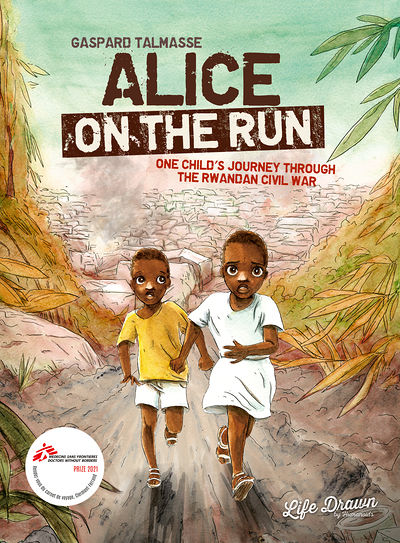
In 1994, an estimated two million people fled the genocide by the Hutus of the minority Tutsi population in Rwanda. They sought refuge in neighboring Zaire (now the Democratic Republic of the Congo), but the bloodshed continued. Around 800,000 civilians died, both Hutus and Tutsis. Alice on the Run: One Child’s Journey Through the Rwandan … Continue reading #WorldKidLit Wednesday: Alice on the Run: One Child’s Journey Through the Rwandan Civil War
Day 10: 🇷🇼 Not my Time to Die
In a Nutshell: This was the first book to follow the full story of one person’s multifaceted experiences of genocide and it was also the first account authored by a Rwandan survivor. Yolande Mukagasana was a nurse before being hunted down, her husband and children were murdered but she survived. Observations: I read this book … Continue reading Day 10: 🇷🇼 Not my Time to Die
Literature of Exile: Clemantine Wamariya and exile as performance

"This is from your family in Rwanda", Oprah said, handing me a tan envelope. She looked solemn, confident in her purpose. "From your father and your mother and your sisters and your brother". I opened the envelope and pulled out a sheet of blue paper. Then Oprah put her hand on mine to stop me … Continue reading Literature of Exile: Clemantine Wamariya and exile as performance
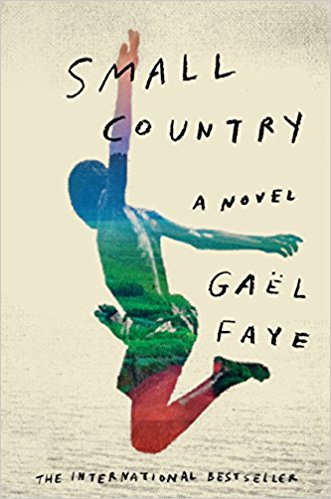
Literature of Exile: Burundi’s Gaël Faye

I used to think I was exiled from my country. But, in retracing the steps of my past, I have understood that I was exiled from my childhood. Which seems so much crueler. Exile is always a profoundly traumatic experience. But what of those exiled twice? While the world is largely aware of the Rwandan genocide … Continue reading Literature of Exile: Burundi’s Gaël Faye
Rwandan Genocide, The Task of Translation, and Western Markets for Testimony: Part II – by Kim Rostan
Whoever writes is exiled from writing, which is the country—his own—where he is not a prophet. Maurice Blanchot, The Writing of the Disaster This summer, while collaborating with Rachel Hildebrandt of GLLI and a group of undergraduates at Wofford College, in the midst of collating lists of contemporary literature in translation, I pondered the … Continue reading Rwandan Genocide, The Task of Translation, and Western Markets for Testimony: Part II – by Kim Rostan
Rwandan Genocide, The Task of Translation, and Western Markets for Testimony: Part I—by Kim Rostan

Whoever writes is exiled from writing, which is the country—his own—where he is not a prophet. Maurice Blanchot, The Writing of the Disaster When the Rwandan genocide began in 1994, the “era of testimony” (as dubbed by scholar Shoshana Felman) was already well underway. Following the Nazi genocide in Europe, there was initially relative … Continue reading Rwandan Genocide, The Task of Translation, and Western Markets for Testimony: Part I—by Kim Rostan
 Global Literature in Libraries Initiative