Rwandan Genocide, The Task of Translation, and Western Markets for Testimony: Part II – by Kim Rostan
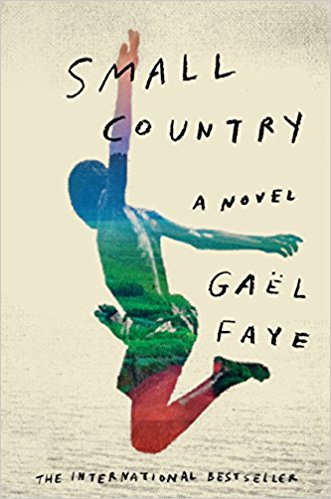
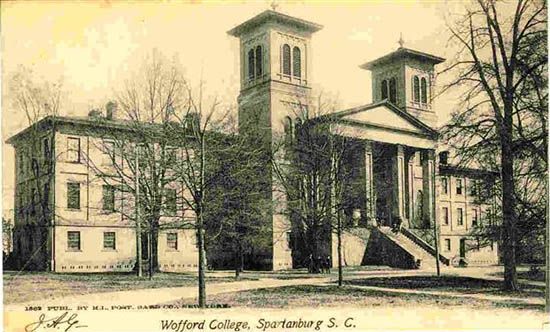
Whoever writes is exiled from writing, which is the country—his own—where he is not a prophet. Maurice Blanchot,  The Writing of the Disaster   This summer, while collaborating with Rachel Hildebrandt of GLLI and a group of undergraduates at Wofford College, in the midst of collating lists of contemporary literature in translation, I pondered the … Continue reading Rwandan Genocide, The Task of Translation, and Western Markets for Testimony: Part II – by Kim Rostan

Rwandan Genocide, The Task of Translation, and Western Markets for Testimony: Part I—by Kim Rostan

Whoever writes is exiled from writing, which is the country—his own—where he is not a prophet. Maurice Blanchot,  The Writing of the Disaster   When the Rwandan genocide began in 1994, the “era of testimony” (as dubbed by scholar Shoshana Felman) was already well underway. Following the Nazi genocide in Europe, there was initially relative … Continue reading Rwandan Genocide, The Task of Translation, and Western Markets for Testimony: Part I—by Kim Rostan

The Particular Sadness of the Three Percent Problem: Part 3 – by Lydia Estes

Just as my Art History studies in college have allowed me to make sense of centuries of history through art, and this research with GLLI has emphasized how much I have learned about the world through the books I read.  As a teenager, I explored novels set in Mexico (Esperanza Rising) and short stories inspired … Continue reading The Particular Sadness of the Three Percent Problem: Part 3 – by Lydia Estes

THE PARTICULAR SADNESS OF THE THREE PERCENT PROBLEM: PART 2 – BY LYDIA ESTES

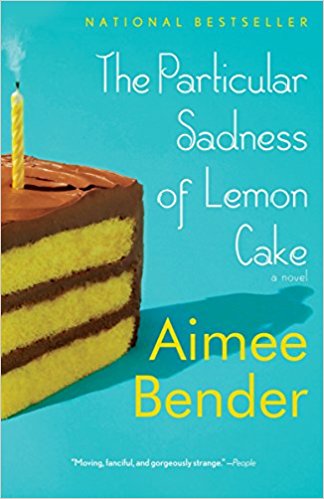
Acts of translation occur everywhere around us. My final essay for an AP Literature course in high school concerned a novel from the magical realism genre but with a twist; set in Los Angeles, The Particular Sadness of Lemon Cake certainly is not a book in translation and is not your typical magical realism novel. … Continue reading THE PARTICULAR SADNESS OF THE THREE PERCENT PROBLEM: PART 2 – BY LYDIA ESTES

The Particular Sadness of the Three Percent Problem: Part 1 – by Lydia Estes

When I was in the second grade, the visits to the library were often the best part of any day.  To this day, bookstores are still a sacred space to me. A voracious reader with a fixation on spelling, it was a competition every week with my best friend to see who could learn all … Continue reading The Particular Sadness of the Three Percent Problem: Part 1 – by Lydia Estes

The World Lit Professor’s Conundrum: A Personal Reflection – By Kim Rostan

The relationship between an educator teaching world literature and translated works is an obvious one, but the connection between that teacher and a community of translators and publishers is not at all a given.  In fact, many of us who teach World Literature in colleges and universities are graduates of English literature programs, where, unlike … Continue reading The World Lit Professor’s Conundrum: A Personal Reflection – By Kim Rostan

Bulgarian Literature Month – a short introduction

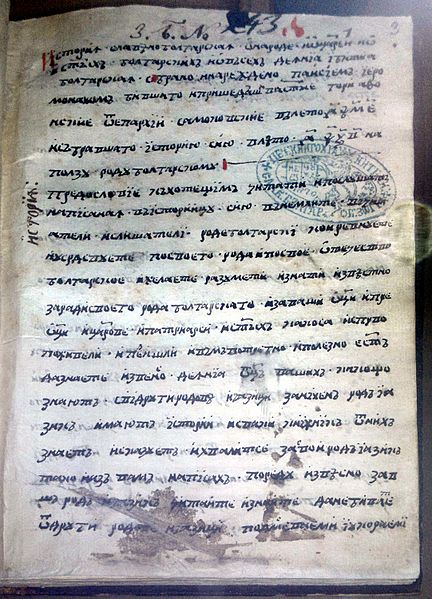
It is already a tradition at the Global Literature in Libraries Initiative to organize a series of “Literature Months” devoted to the national literatures of countries and languages from all over the world. In this tradition, the month of June will see the “Bulgarian Literature Month” in which our readers will have the opportunity to … Continue reading Bulgarian Literature Month – a short introduction

THE MIRROR OF HIS WORKS — Roger Pulvers on Ishikawa Takuboku

May GLLI Blog Series:  Japan in Translation, No. 1 Editor's note:  Today begins a month-long series of posts about Japanese literature in translation.  Here in the United States it is Asian-Pacific American Heritage Month, and in Japan (through this weekend, anyway), it is Golden Week, the longest vacation period of the year for many Japanese workers. … Continue reading THE MIRROR OF HIS WORKS — Roger Pulvers on Ishikawa Takuboku

Insights into Syrian Cinema: Essays and Conversations with Contemporary Filmmakers

The collection Insights into Syrian Cinema was conceived of as a companion catalogue to a showcase of Syrian cinema that traversed major US cities beginning in 2003. The concept of a book became obvious when the curator and editor Rasha Salti recognized the dearth of sources on Syrian cinema in English. The selection of writings … Continue reading Insights into Syrian Cinema: Essays and Conversations with Contemporary Filmmakers

No Knives in the Kitchens of This City

Review by: Lindsey Hilsum Channel 4 News' International Editor Most western TV viewers know Aleppo as a violent, divided, destroyed city where children covered in bomb dust cry amongst jagged ruins, or are rushed to makeshift hospitals along debris-strewn streets. Khaled Khalifa’s Aleppo, by contrast, is a place of alleyways and elegant perfume stores, of … Continue reading No Knives in the Kitchens of This City