Today’s post comes to you from Kim Tyo-Dickerson & Helle Kirstein
The Seer and the Nun
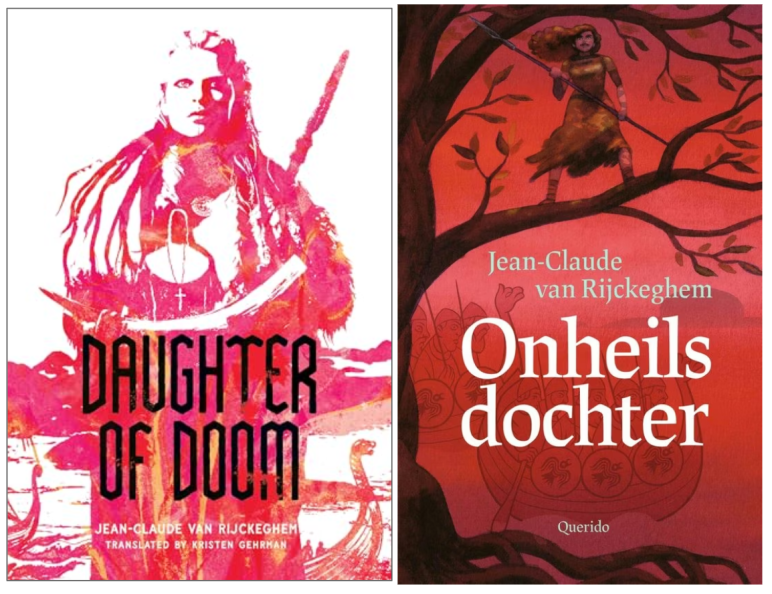
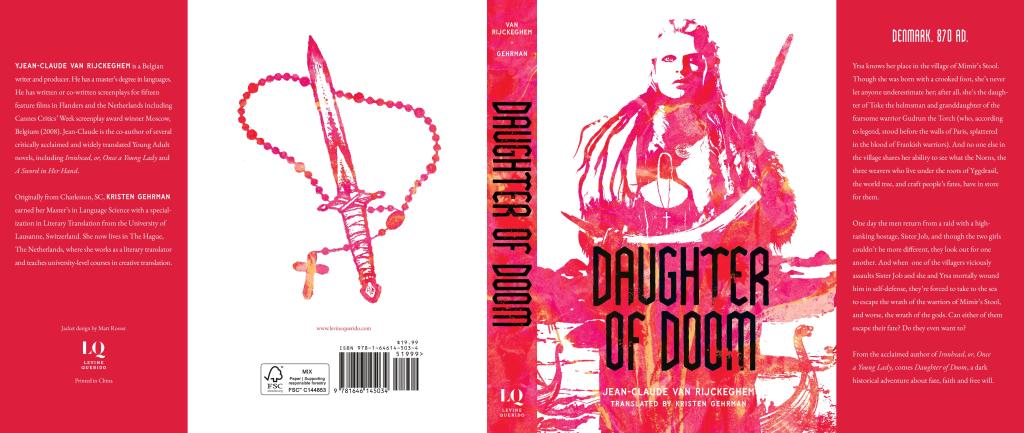
We recently met to discuss Jean-Claude van Rijckeghem’s immersive historical novel Daughter of Doom, translated from Dutch by Kristen Gehrman, and published by Levine Querido (2025). Originally published as Onheilsdochter by Querido (2022), the book was shortlisted for the prestigious 2023 Thea Beckman Prize for original Dutch-language historical books for readers aged 12 and older, and awarded a Pluim, a special commendation, by the Young Beckman Jury.
Gehrman’s propulsive translation captures the rich setting and vibrant characterizations of van Rijckeghem’s original, and together they earned the acclaimed novel a spot on the 2026 GLLI Translated YA Book Prize shortlist.
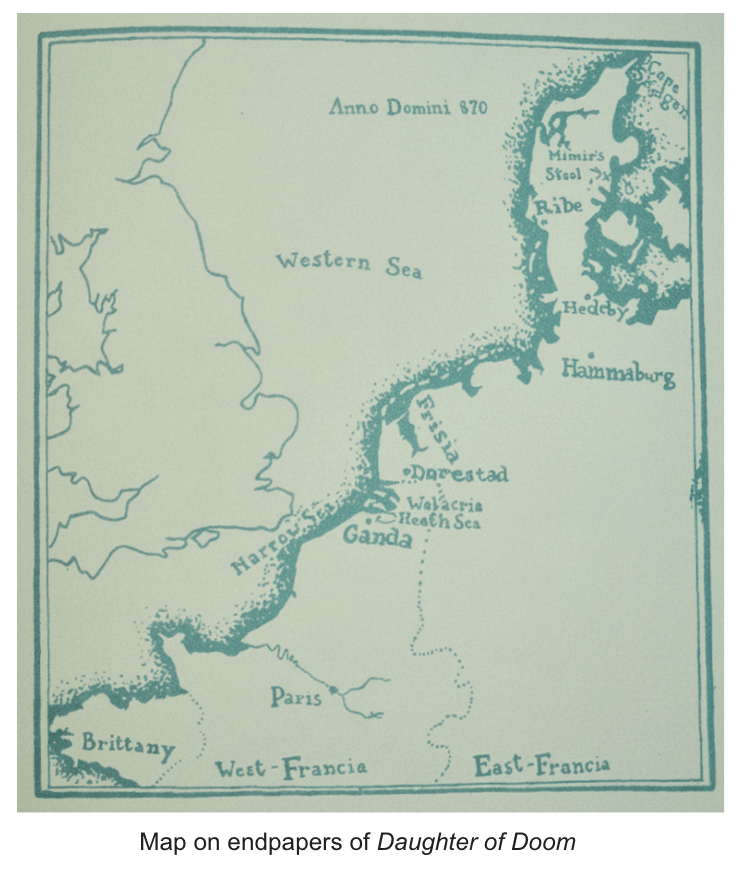
Set in the late 9th century, van Rijckeghem offers an exceptional window into Viking culture and the conflicts between Norse mythology and early medieval European Christianity. As educators and librarians, we find this novel thrilling, especially given Helle’s Danish roots and the novel’s center in the small community of Mimir’s Stool in Denmark.
Yrsa the Seer
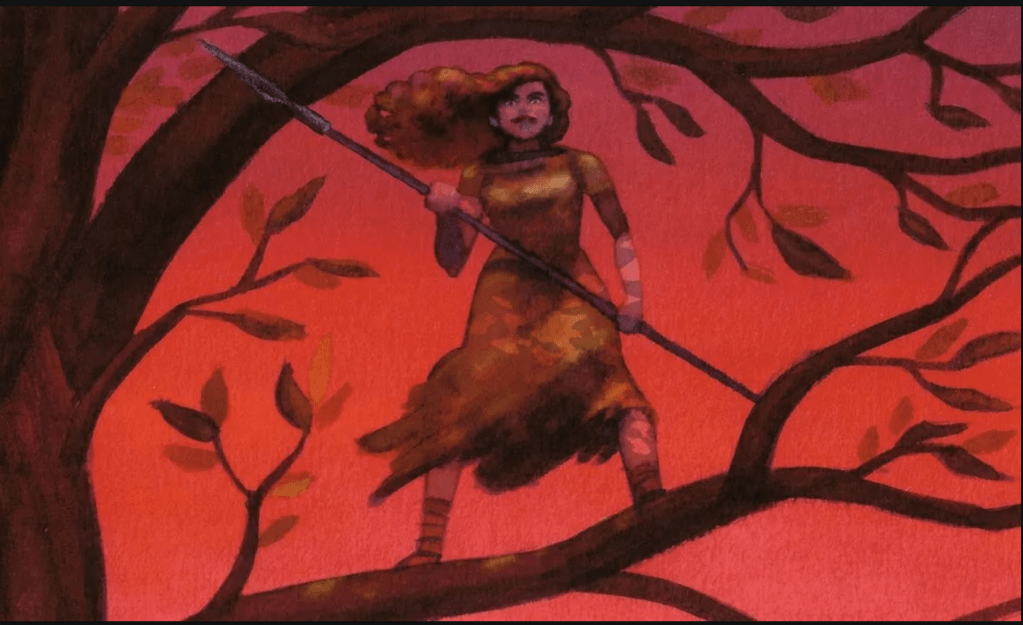
At the heart of the novel is Yrsa, daughter of Toke, a Viking helmsman and Cara, a Frisian slave. Yrsa’s name, meaning “she-bear,” represents her ferocious energy. Navigating a superstitious society where physical perfection determines a woman’s value, Yrsa is born with a clubfoot, and her limp is viewed by villagers as an omen of misfortune.
Refusing to be sidelined, Yrsa develops into a feisty survivor who spars with local boys and refuses to let her disability restrict her even as it is used against her in fights and she is called a cripple when away from her family. Her life takes a dramatic turn when she discovers her calling as a völva, an influential Norse seer. By touch, she receives visions of deaths, foreseeing the exact time and place. While this gift frightens many, it grants her status used by her powerful grandmother, Gudrun, as leverage in dowry negotiations.
Job the Nun
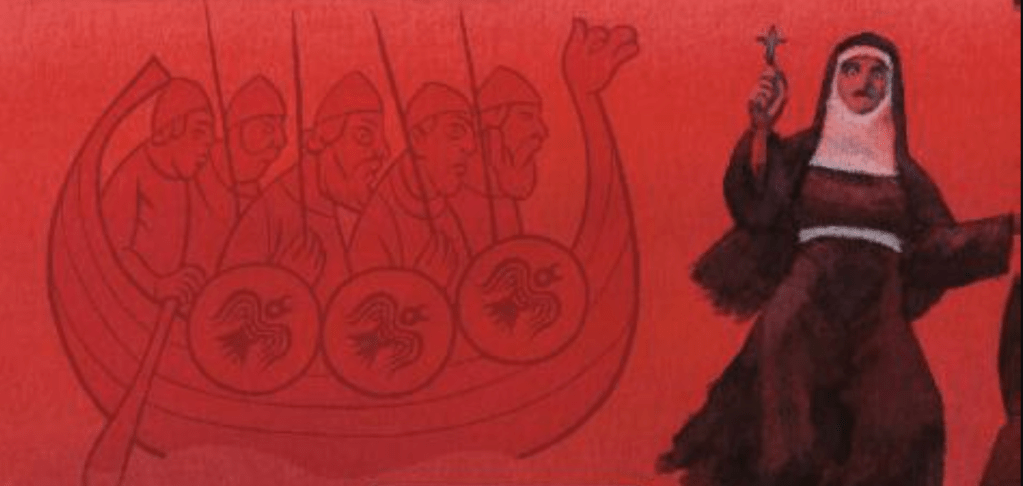
The trajectory shifts when Toke returns from a voyage with plunder, including a kidnapped nun, Sister Job, taken from Ganda or present-day Ghent. To secure her survival, Job claims that she is a descendant of King Charlemagne and promises a ransom in silver, forcing her captors to initially handle her with care. Yrsa is put in charge of Job while the village leaders try to claim payment from Job’s wealthy family. The era’s pervasive patriarchal control over women is highlighted by van Rijckeghem, where in Job’s convent all the nuns were named after male biblical characters. This, of course, means nothing to her Viking captors and, ultimately, does nothing to protect her.
Job’s presence prompts an exploration of Viking slavery systems and practices. Through a vision, Yrsa learns her mother was a slave whom her father loved as a wife. However, Yrsa is not a slave because her father acknowledged her as his child. As a result, Yrsa lives a privileged life under her father’s, and her grandmother Gudrun’s, protection.
A Partnership of Opposing Viewpoints and a Shared Hero’s Journey for a Modern Audience
The relationship between Yrsa and Job becomes a complex dance of conflicting worldviews, as well as an early example of the politics of globalization and gender roles. Job is unyielding in her Christian faith, praying and quoting the Bible, while Yrsa prepares offerings to appease her own gods and keep her village safe. This dynamic captures a historical reality, whereby Christianity was already leaking into the Norse world through trade and exploration.
A life-changing turning point occurs when Yrsa finds Job, who is believed to have brought bad luck to the community, being raped by the hateful village captain’s son, Njall. In self-defense, Yrsa and Job mortally wound Njall.
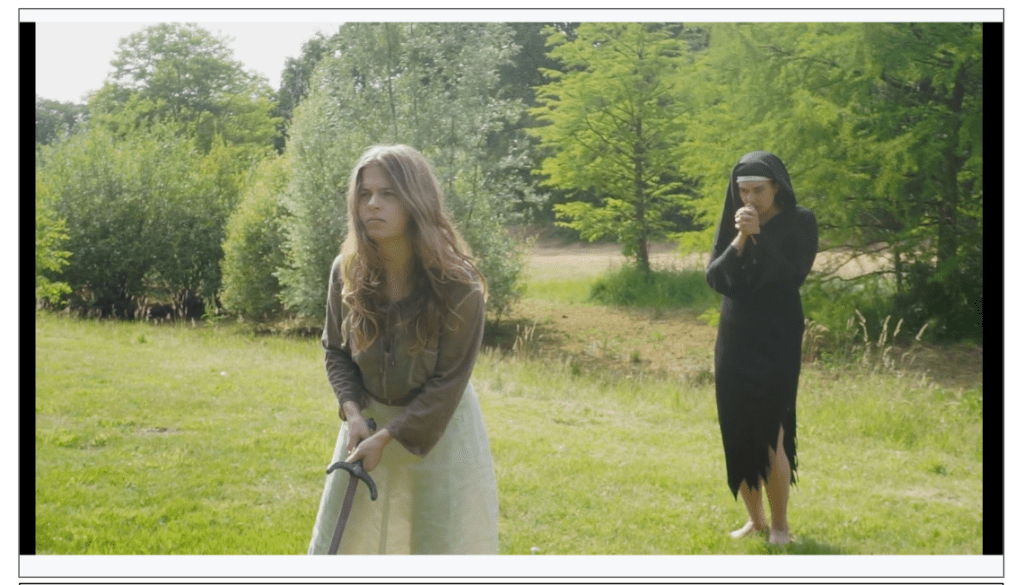
One-minute trailer created for the Thea Beckmanprijs awards ceremony, “Onheilsdochter” is a short film of the pivotal scene between by Willem de Kooning Academy film student Nick Evers.
There is no staying in the village now, they have done an unforgivable thing in both worldviews and faith traditions. Yrsa and Job have to flee, take the whaling road, setting off together into the unknown and embarking on a classic hero’s journey to outrun their fates.
Daughter of Doom is a cinematic adventure novel in which two women hold their own at a time when this was anything but a given. Jean-Claude van Rijckeghem has created two beautiful characters, who are deeply rooted in their respective faiths. Both Yrsa and Job are convinced that fate is unavoidable, each in their own way, and yet they manage to find their own path in life. Van Rijckeghem peppers the story with action and suspense, but never at the expense of depth. The occasional humour is a nice finishing touch. A remarkable book about fate, faith and free will, in vivid language” (“Can you escape your fate?” Flanders Literature).
This bond makes Daughter of Doom crucial for modern YA readers. In a polarized society, watching two young women with divergent views forge mutual respect is moving. They prove that solidarity can transcend ideological divides.
Final Verdict: A Shortlist Gem
The historical accuracy in Daughter of Doom is unmistakable, as well as its cinematic imagery and scenes. Van Rijckeghem’s environments are meticulously researched, painting a vivid portrait of survival, from the sensory details of a longhouse to digging through clamshells in the cookpot looking for breakfast. In one memorable sequence, village women wash in the sea while Job is terrified, as, per monastic tradition, nuns never wash themselves. These descriptions offer a visceral glimpse into daily Middle Age realities for women in particular. Van Rijckeghem credits prominent Belgian and Danish archaeologists, ensuring a tangible connection to heritage. The book’s themes mirror current exhibitions like Vølvens Varsel, The Prophecy of the Viking Sorceress, celebrating the complex history of Norse sorceresses.
Daughter of Doom represents the best kind of immersive historical fiction. It delivers a propulsive story about fierce, independent young women fighting against societal structures that seek to control them. It is a stellar addition to secondary school library collections, perfect for both independent history units and pure reading pleasure. It is a standout work on the 2026 GLLI shortlist, and a novel that truly has the depth and heart of a winner.
TITLE: Daughter of Doom
AUTHOR: Jean-Claude van Rijckeghem
Note: a previous historical YA novel of his — Ironhead, or, Once a Young Lady — was reviewed on GLLI by Nanette McGuinness on Feb. 21, 2024.
TRANSLATOR: Kristen Gehrman
PUBLISHER: Levine Querido, 2025, ISBN: 9781646145034
RESOURCES:
- Dutch book trailer — YouTube
- Sample pages in English
REVIEWS:
- Publishers Weekly — March, 20, 2025.
- Kirkus – “Atmospheric and thought-provoking.” — June 3, 2025
- Bulletin of the Center for Children’s Books — June 10, 2025
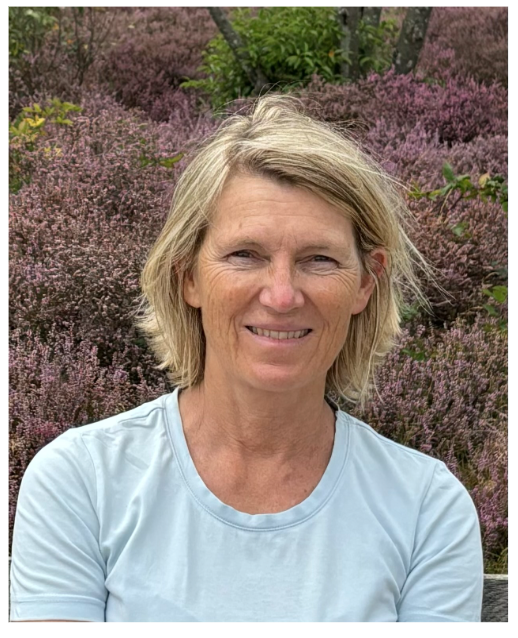
Helle Kirstein is a teacher librarian currently serving as the Lower School Librarian at the International School of Amsterdam. She holds a Master’s degree in Business, Language, and Culture from the University of Southern Denmark, a BA in Teaching from Blaagaards Seminarium, and a Master’s degree in Teacher Librarianship from Charles Sturt University. A polyglot who reads fluently in four languages, she focuses her professional work on encouraging students to read in their home languages, while also championing translated books and international stories as essential tools for building empathy and understanding across cultures. She hopes to bring to the committee the perspective of an educator who views global culture as a vital component of the modern school library.
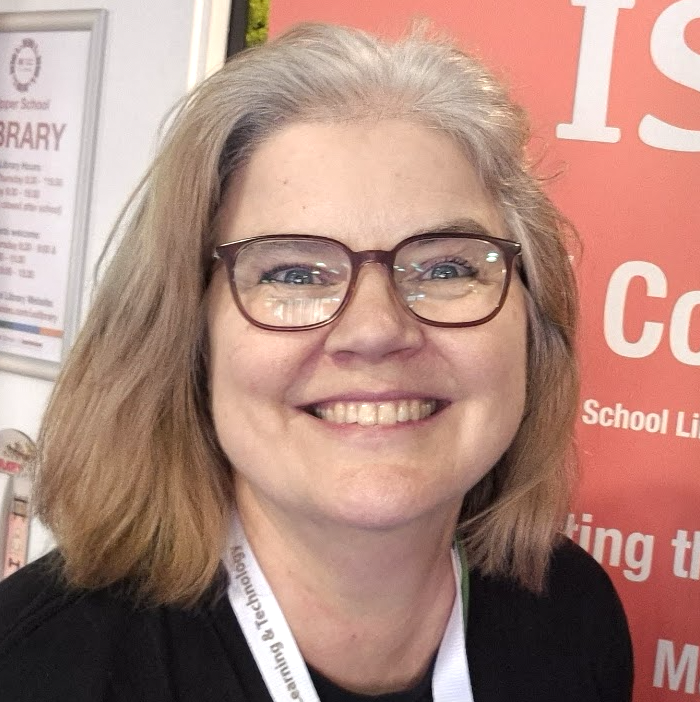
Kim Tyo-Dickerson is the Head of Libraries and Upper School Librarian at the International School of Amsterdam, with over 25 years of experience across North America, Europe, and Africa. She holds an MLIS from Syracuse University and an MA in English from Miami University in Oxford, Ohio. Her practice is deeply informed by her Ethiopian American family and is centered on social justice, the freedom to read, and fostering environments of belonging. A passionate advocate for global literature, Kim’s professional and personal journey is rooted in the belief that language and literature are the essential tools for making sense of our world through the stories we share. You can connect with Kim on LinkedIn.
Disclaimer: The opinions and views expressed are the author’s and do not necessarily reflect those of GLLI.


One thought on “#IntYALitMonth: GLLI 2026 Shortlist: Daughter of Doom”