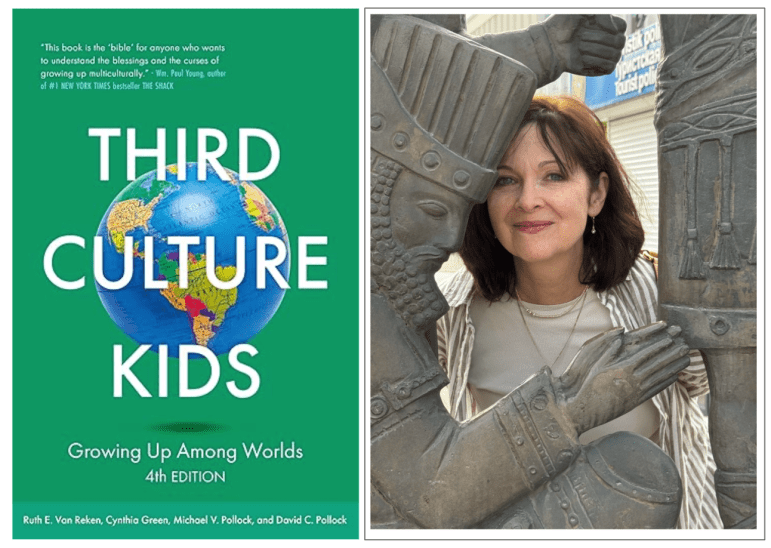
Today’s post comes to you from Cynthia Green
YA & TCK
Today’s topic is particularly intriguing because to date, Third Culture Kids (TCKs) is not an established publishing genre, doesn’t have a fixed definition, and is not broadly recognized—including by “TCKs” themselves, their parents, teachers and therapists.
In fact, I didn’t know that I had “grown up as a TCK” until I was almost thirty. Today, though the situation is changing, an increasing amount of people who grew up or are growing up among cultures seem to be using “TCK” as an identity marker. This is where the somewhat fluid concept becomes interesting for those choosing and shelving books for young adults.
If the TCK concept is helping children who are growing up in more than one culture understand their life and find community, then how can we learn more about it? How might my experience as a TCK and a writer who focuses on TCKs characters, help? And where can we find books that help these young people feel represented?
Learning About Third Culture Kids
The term was coined mid-20th century by sociologist Ruth Hill Useem, when she noticed that expatriate children in India who were accompanying their parents into other cultures for set periods of time rather than as immigrants, behaved differently than expected.
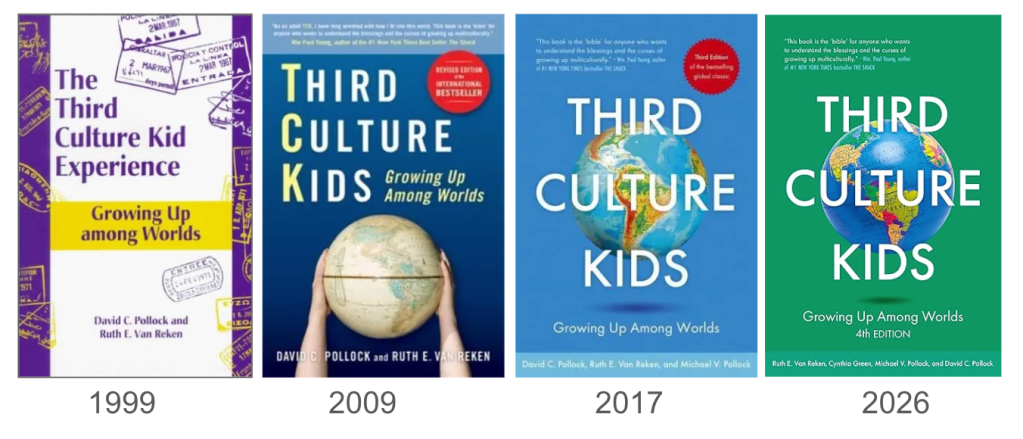
The concept began gaining momentum when practitioners Ruth Van Reken and David Pollock published the book The Third Culture Kid Experience: Growing Up Among Worlds in 1999. In 2009 Van Reken published the 2nd edition which included the term Cross-Cultural Kids (CCKs) that she developed to expand discussions of cross-cultural childhood beyond globally mobile, expatriate experience. A 3rd edition followed and the significantly updated 4th edition, of which I am a co-author, will publish in October of this year.
Van Reken’s CCK term was intended to help children growing up with specificities such as multiple languages, across multiple countries, moving permanently to another country, fleeing violence, or moving between the different cultures of their parents… share feelings particular to their “group” while simultaneously sharing feelings such as never quite belonging anywhere across all groups.
Despite the useful specificity of the CCK term, the term TCK is often used in its stead. Rather than its origin as one kind of transitory globally mobile experience, TCK is now often used as a popular term associated with all kinds of multicultural and cross-cultural childhoods. The idea of being a “third” culture that exists between other, “recognized” cultures seems to be a particularly strong draw for identifying with the term. It is in this sense that we meet the term “third culture kids” in the title of this blog post. When people mention ‘TCK characters’ they often mean cross-cultural or multicultural characters who struggle with identity and belonging.
My TCK experience
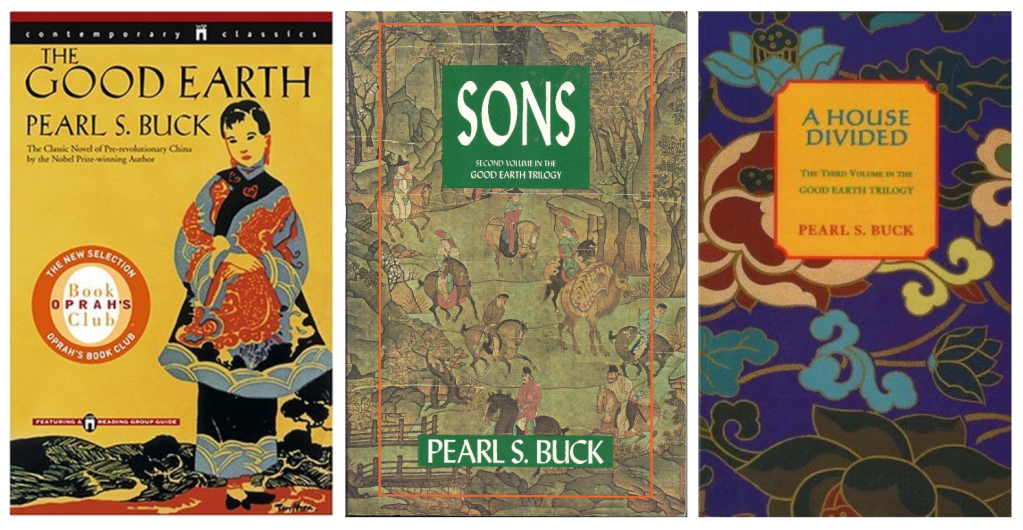
I never felt represented by anything I read growing up. The nearest I got was books about minorities, immigrants, refugees, and historical figures like Alexander the Great, though he was already a young adult with a fixed cultural base when he started moving around. He also moved to conquer, which I didn’t appreciate. Added to that was the “Western World” focus of my international school libraries (in the 1970s and 1980s, and long before internet). I longed for stories about people like me who moved around and were growing up as minorities in Asia, and though I read every Pearl S. Buck I could find, I also wanted fiction about Asians moving between cultural worlds within Asia. I couldn’t find any.
A chance meeting with Ruth Van Reken in 1994 introduced me to the TCK concept and Ruth and I spent many months talking about our own experiences (she grew up as a “missionary kid” in 1950s west Africa, and I grew up as a “business TCK” in 1970s and 1980s Latin America and Southeast Asia) and the TCK book she was writing and eventually published in 1999. This put a label to my experience. Though I have almost never used the term TCK in my work, the concept of growing up among cultures and around the world has been a constant feature.
Meanwhile, I kept looking for fiction with characters who reflected my experience of moving temporarily into and out of countries whose languages, food and social rules became part of me even though others insisted that my identity and belonging were linked solely to that of parents and passport/s.
Some TCKs say they don’t feel fully a part of any culture. I, though, have always felt fully a part of every culture that I absorbed while living in it—despite not always feeling fully accepted by others that claim it.
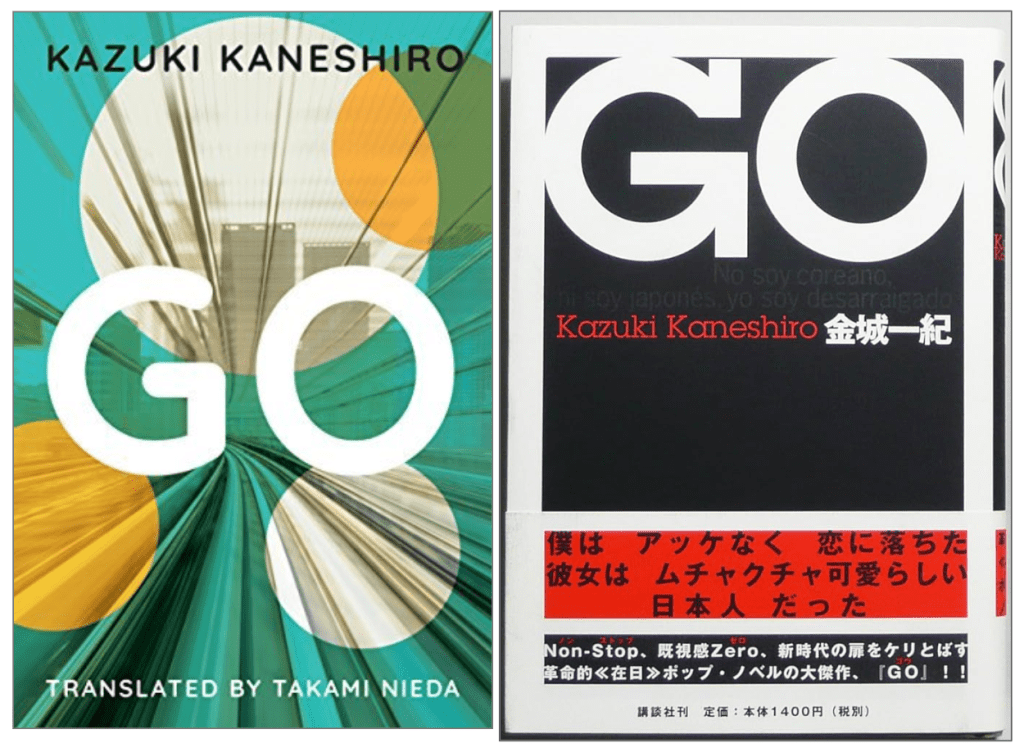
This is possibly why I find connection in books about children growing up as minorities written by people who know what that feels like. Kazuki Kaneshiro’s Go (2000, translated from Japanese by Takami Nieda (2018)) for example. Kaneshiro is an ethnic Korean who was raised in Japan, like the protagonist of his book. The fact that I, too lived in Tokyo and experienced being a minority there, strengthens my bond with the book.
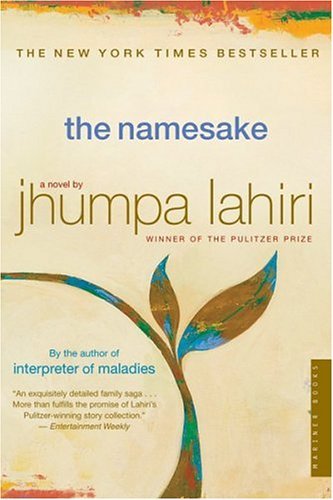
Jhumpa Lahiri’s The Namesake (2019) is another example. Lahiri, who was born in the UK to Bengali parents who immigrated to the US (like the protagonist of the book), says she also writes in Italian because it makes her feel “free”. That resonates with me.
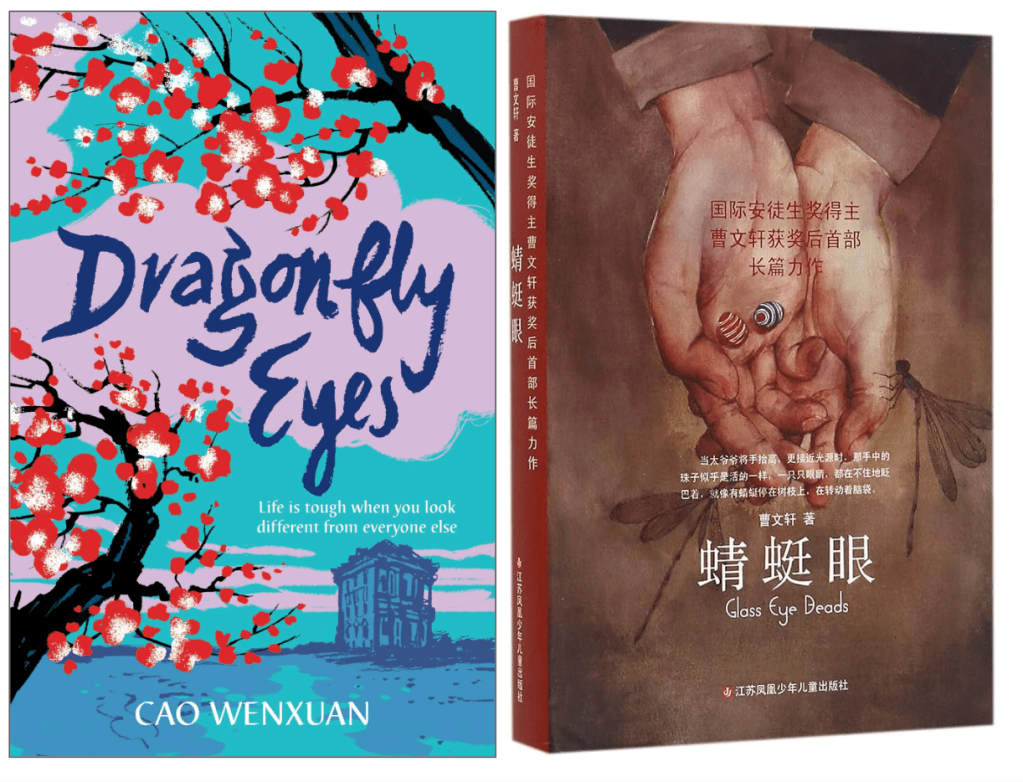
Cao Wenxhuan’s Dragonfly Eyes (2016, translated from Chinese by Helen Wang (2021)) is an engaging YA story about a Franco-Shanghainese family set in China, 1920-1960. Though Cao grew up Han Chinese in China, he experienced periods of social unrest and the rural-urban divide, a subgroup of interculturality that I have recently come to experience.
In the end, since I couldn’t find fiction with characters who had the globally mobile experience that I and many other children have, I decided to write one, with characters who lived in countries and cultures I knew. Like the Harry Potter series, I positioned Blue Feet Monsoon (2025) as YA that would be read by adults as well.
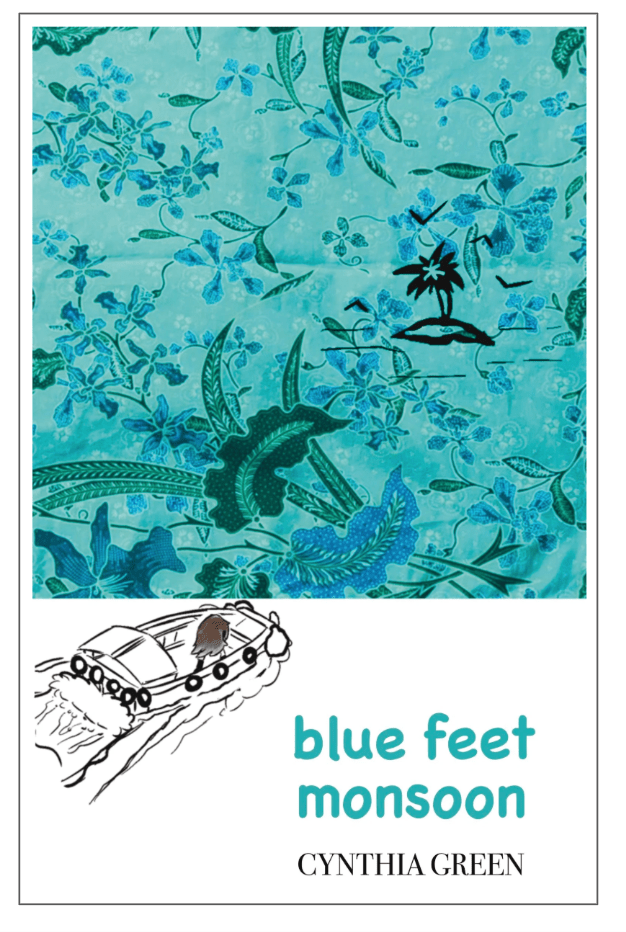
Finding YA books that feature Third Culture Kids
TCK is not (yet…) a market-based genre, though many consider it a sub-theme. Until agents and publishers start seeing the term used in acquisitions and in market demand, this situation is unlikely to change.
As a result, publishing a fictional book that is not set in one country is very difficult. The first literary agency I spoke to was keen to represent the book and forge the path, but publishers wanted it to be more attached to one country. In other words, how to classify it? In the end, I decided to self-publish. Almost 18 months in, sales are constant and readers say they feel represented, but marketing one’s own work is a challenge. I learn new things every day.
It is from this standpoint that I say that looking for TCK YA involves a fair amount of trawling through titles to find books about globally mobile TCKs growing up moving between countries. An error I often find is to relegate such stories to “travel” categories—a globally mobile TCK lives in different countries, which is very different from vacations to another country.
YA fiction set in more than one country continues to be one of the most difficult categories to locate. It is possible that the concept is difficult for many to digest. For those of us who have grown up this way or are discovering this way of living as adults, it seems very natural, but that does not necessarily transfer to those deciding what books to publish or what categories to put them in. The possibility that a child may feel different from the cultures or nationalities of their parents or even from their own passport is hard for many to fathom.
Having said all that, here is a LibraryThing list of some YA books that feature TCK kids in globally mobile situations.
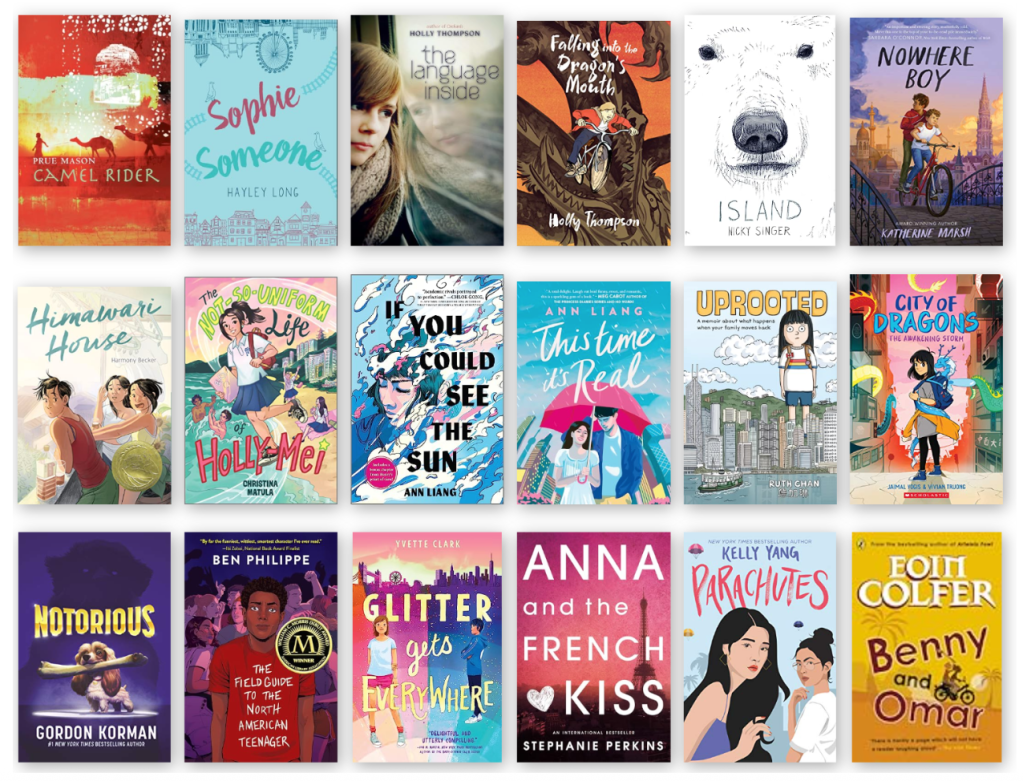
Thankfully, organizations such as GLLI are helping to open the field so that children growing up among cultures feel more represented, and children who are not growing up this way themselves, can learn the experiences of their friends and classmates who are.
Librarians play a pivotal role here. You are an essential bridge between how books are classified and how readers (children and their parents) discover books that help them find a sense of belonging and representation. By communicating with both publishers and readers, librarians act as influencers in getting this genre into mainstream.
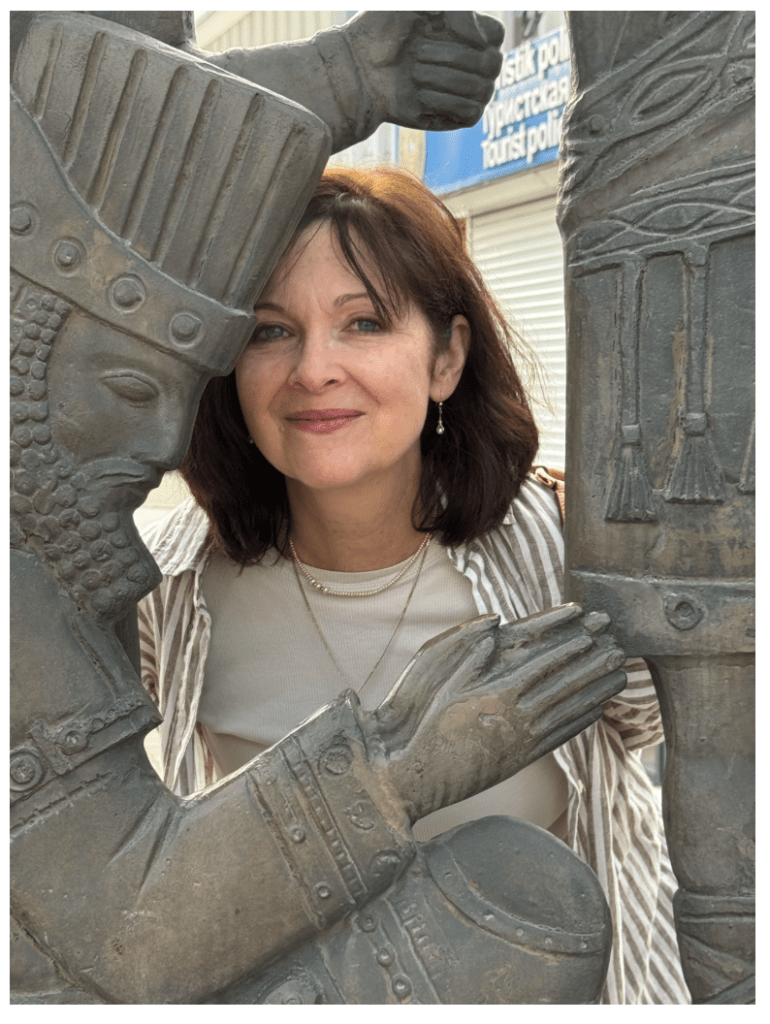
Cynthia Green is the author of Blue Feet Monsoon, a YA novel featuring multicultural, globally mobile “TCK” characters, and co-author of Third Culture Kids: Growing Up Among Worlds, 4th Edition. She grew up as a multilingual business TCK and has spent decades living and working across countries and continents. A cultural historian and keynote speaker on global mobility, identity and TCKs, she is also an active member of SIETAR Polska and hosts the podcast @ConversationsWithCynthia. Cynthia currently lives in France.
Disclaimer: The opinions and views expressed are the author’s and do not necessarily reflect those of GLLI.


One thought on “#IntYALitMonth: Third Culture Kids”