Today’s post comes to you from Angie Erickson
Bees, Belonging, & the Fragility of Ecosystems
It is serendipitous to be sharing Milk without Honey on the eve of Sir David Attenborough‘s 100th birthday. Hanna Harms’ stunning graphic essay (translated from German by the prolific Ruth Ahmedzai Kemp about the conservation of bees sits in quiet dialogue with Attenborough’s work. These two creators, despite working in different media, feel like kindred spirits as both Attenborough and Harms rely on the essay not just as a format, but as a vehicle for persuasion.
The brilliance of Milk Without Honey lies in its structural choices. Early in the book, the panels are ordered and geometric, reflecting the “intelligence of the hive”.
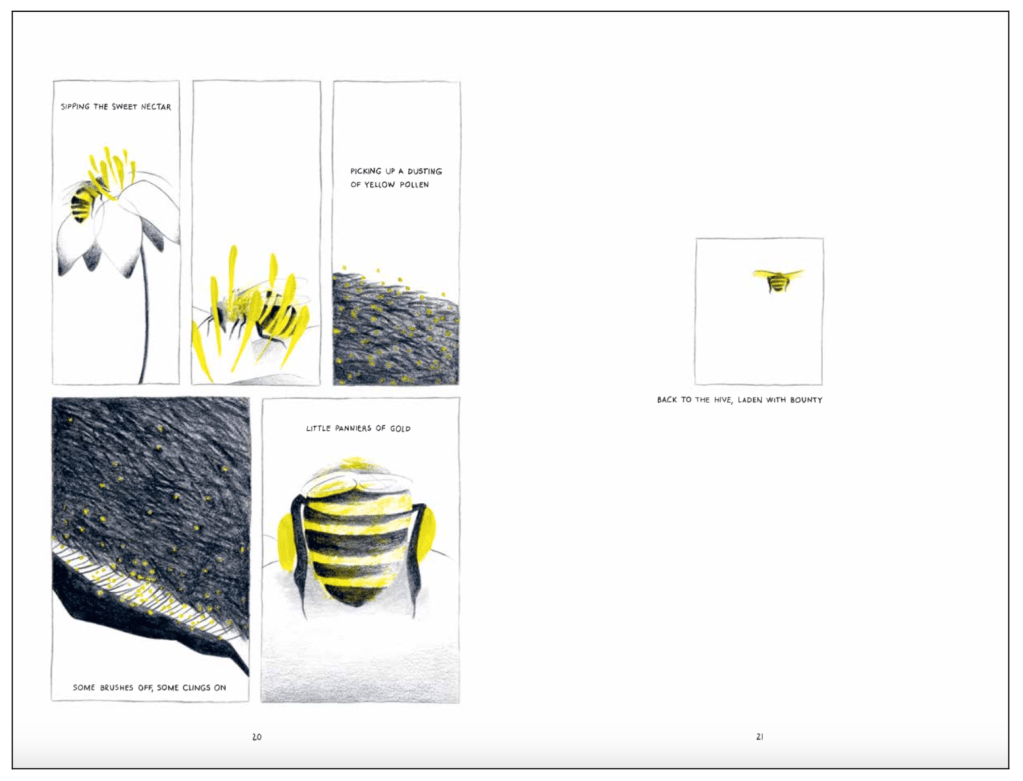
As the narrative shifts toward industrial interference and colony collapse, the visual language fragments. Harms utilizes negative space and sparse layouts to mirror the literal thinning out of our ecosystems. It requires sophisticated visual literacy for the YA reader. It is non-didactic and demanding of interpretive work.
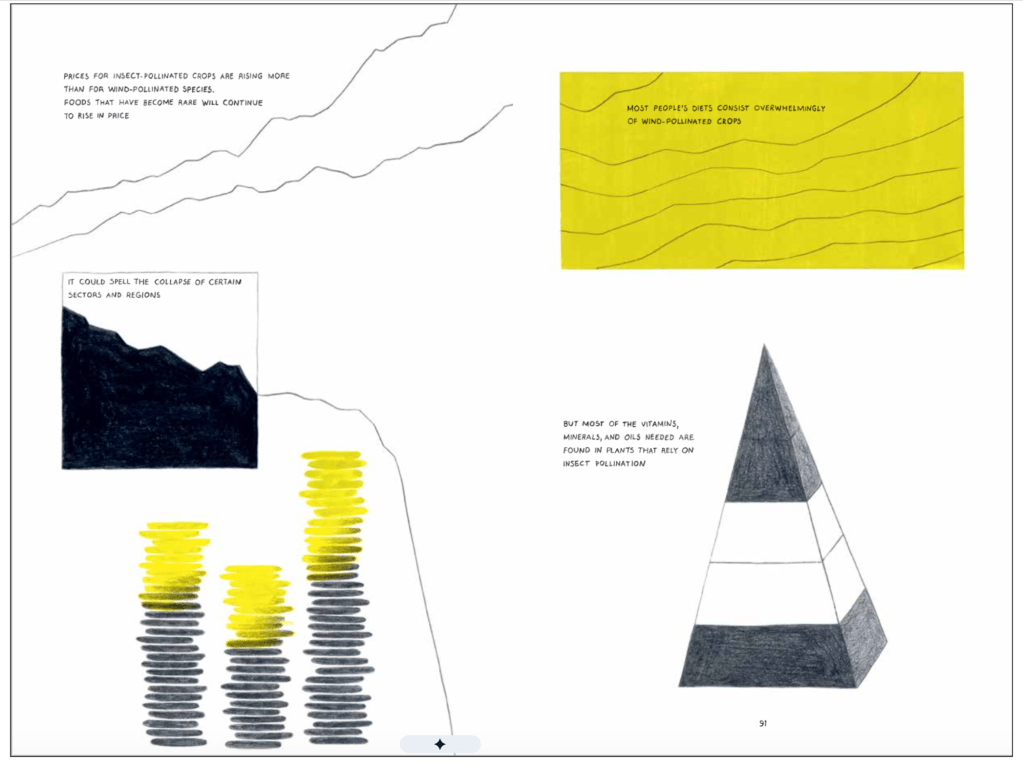
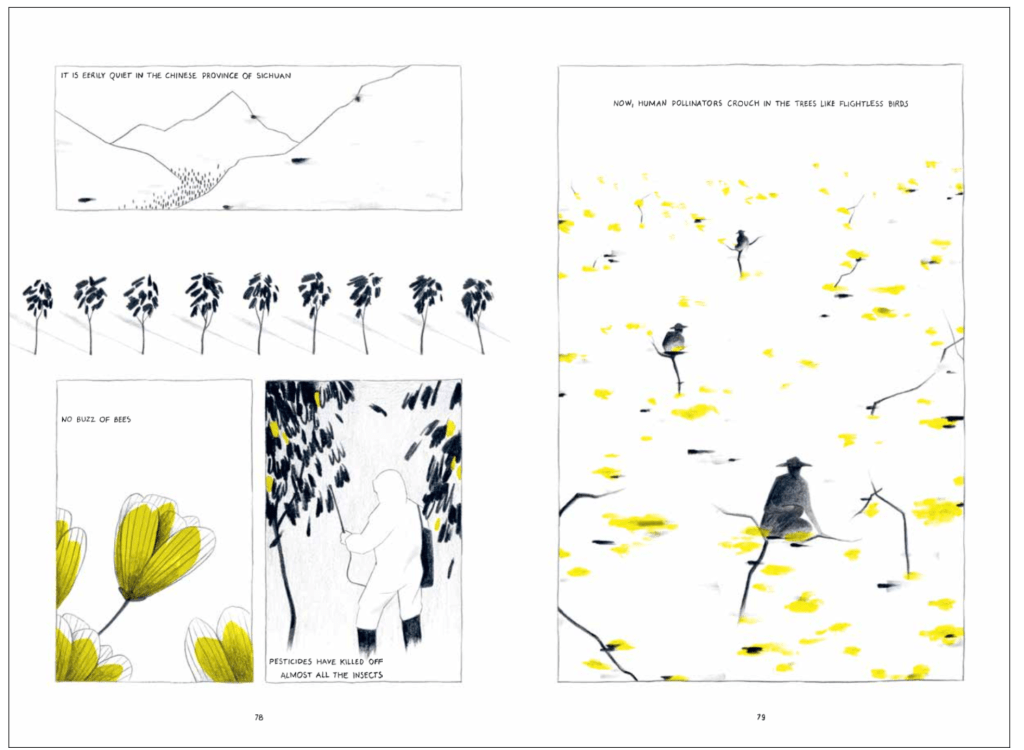
Harms’ essay poses a difficult question about perception: Why do we only recognize and appreciate nature’s systems once they begin to break down? She does not sugarcoat her answer, but she also avoids leaving the reader in despair, which is an approach that feels both intentional and effective.
A note on the translation: Because Milk Without Honey is so spare, Kemp’s translation operates under tight constraints; each word must be faithful to Harms’ original while still supporting the full emotional and visual weight of the work. I found myself stopping and rereading wonderful phrases like “little panniers of gold” used to describe pollen.
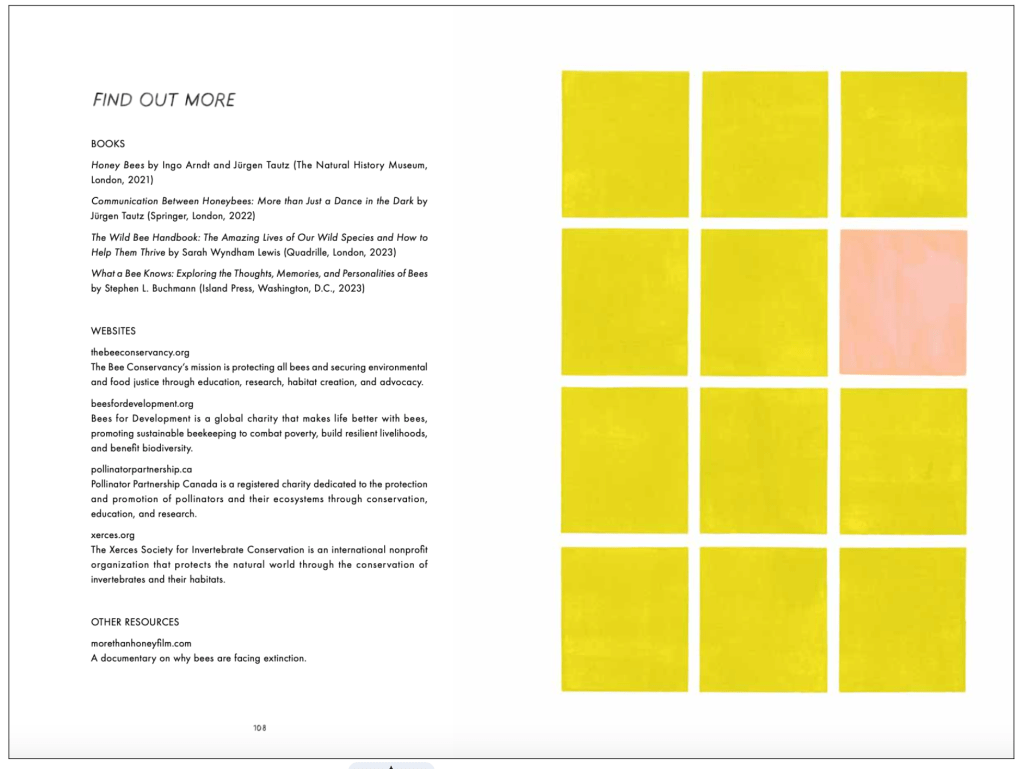
The text is expertly framed by Sarah Wyndham Lewis’s forward, which provides the activist’s “planting” perspective, and Professor Jürgen Tautz afterward, which provides scientific grounding. I liked that a concise resource list at the end invites keen readers to further inquiry.
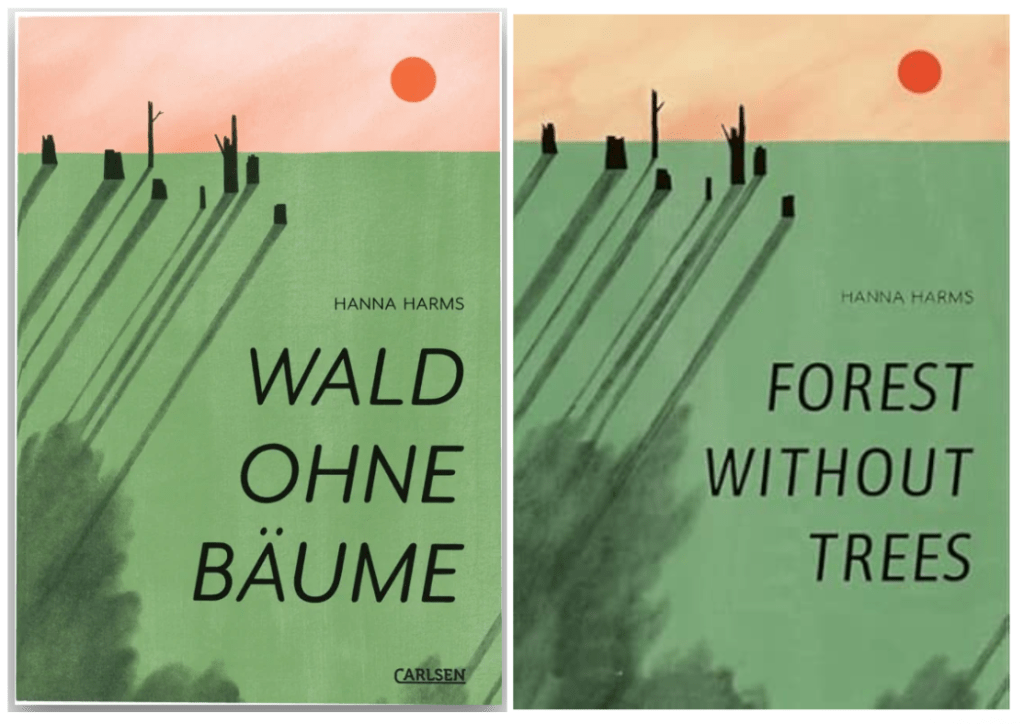
The partnership between author Hanna Harms and translator Ruth Ahmedzai Kemp shows how visual and linguistic minimalism can carry a powerful global message. As I researched for this review, I was happy to see that Harms and Kemp are reuniting for Forest Without Trees (scheduled for release in late 2026).
Below are a few other titles that would make good companion reads for various reasons:
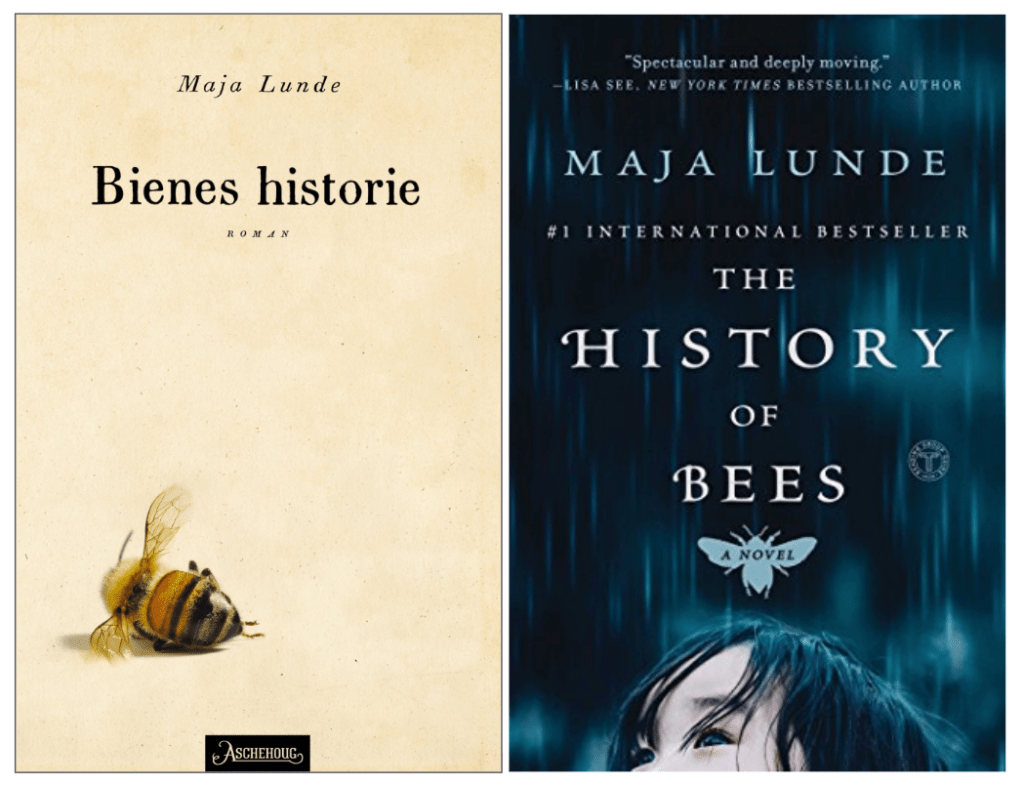
Written for adults, but noteworthy is The History of Bees (2015) by Maja Lunde, translated from Norwegian by Diane Oatley (2017). This novel interweaves three stories (a 19th-century naturalist, a contemporary beekeeper, and a future where humans must hand-pollinate crops) to show the terrifying reality of a world without pollinators. This novel addresses Harms’ exact theme by showing the slow, systemic collapse of pollinator networks, and the human cost of noticing too late.
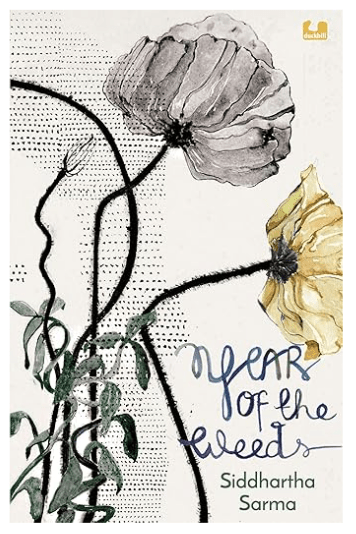
Year of the Weeds (2018), a Neev Award winning YA novel by Siddhartha Sarma is set in the Gond hills of India. (See review here on GLLI from May 22, 2022). This story follows a young gardener as his community peacefully resists a mining company. It is a powerful exploration of Indigenous environmentalism and “David vs. Goliath” activism. Where Harms exposes the fragility of ecological systems, Sarma explores what it means to intervene in them.
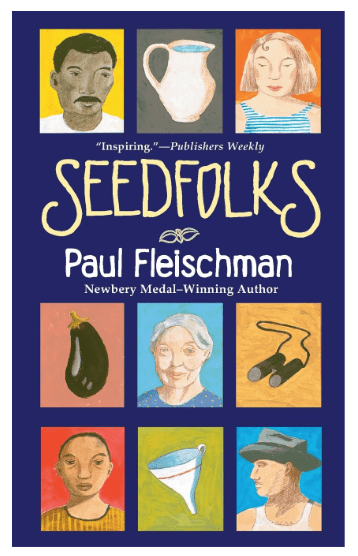
Seedfolks (1997) by Paul Fleischman is a short, multi-POV classic that demonstrates how a small community garden is actually a complex social and ecological system. In contrast to Harms’ depiction of breakdown, Fleischman makes visible the quiet, difficult and cumulative work of building and sustaining systems. Harms’ book made me want to revisit Seedfolks.
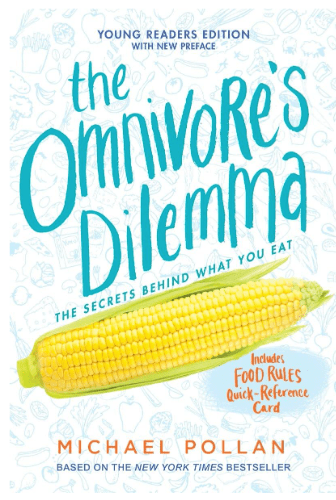
Finally, The Omnivore’s Dilemma (Young Readers Edition) (2006) by Michael Pollan provides readers the explanatory framework underlying Harms’ visual argument. Pollan maps the industrial food systems (monocultures, supply chains, hidden dependencies) that Milk Without Honey distills into stark images and tight prose.
TITLE: Milk Without Honey
AUTHOR: Hanna Harms / Instagram: https://www.instagram.com/_hanna_harms/
TRANSLATOR: Ruth Ahmedzai Kemp — whose work has been reviewed many times on this blog, including Trees for the Absentees, which was on the 2020 GLLI Translated YA Book Prize shortlist
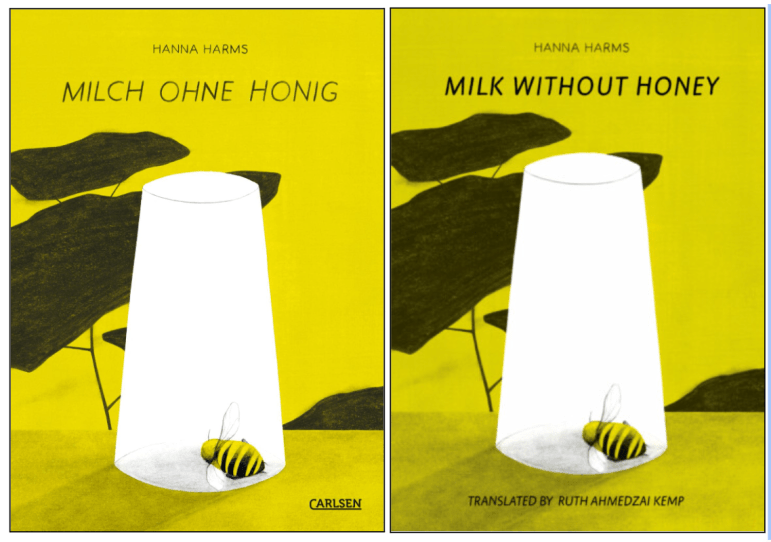
PUBLISHER: Street Noise Books (2024). Originally published in Germany in 2022 as Milch ohne Honig by Carlsen Verlag.
ISBN: 9781951491369
You can buy a copy of Milk without Honey here or find it in a local library. (Book purchases made via our affiliate link may earn GLLI a small commission.)
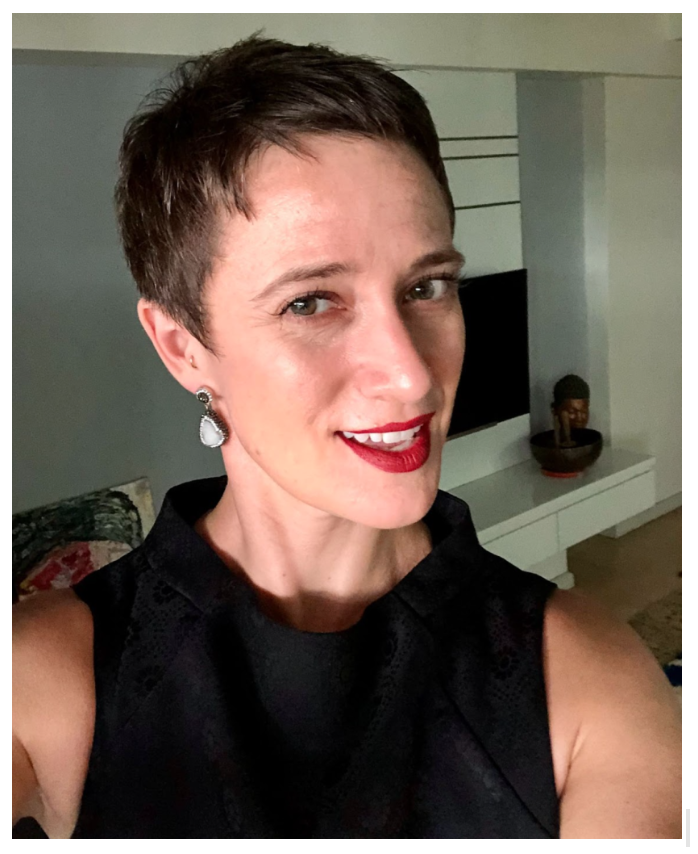
Angela Erickson is a former Head of Middle School English and current Head of Libraries at United World College of South East Asia in Singapore. Her work focuses on how curriculum design, research instruction, and library systems can be aligned to support reading, thinking, and writing across a school. Outside of work, she is an aspiring mountaineer and a terrible cellist. She is also the Chair of the GLLI Translated YA Book Prize for 2026.
Disclaimer: The opinions and views expressed are the author’s and do not necessarily reflect those of GLLI.


One thought on “#IntYALitMonth: Milk Without Honey”