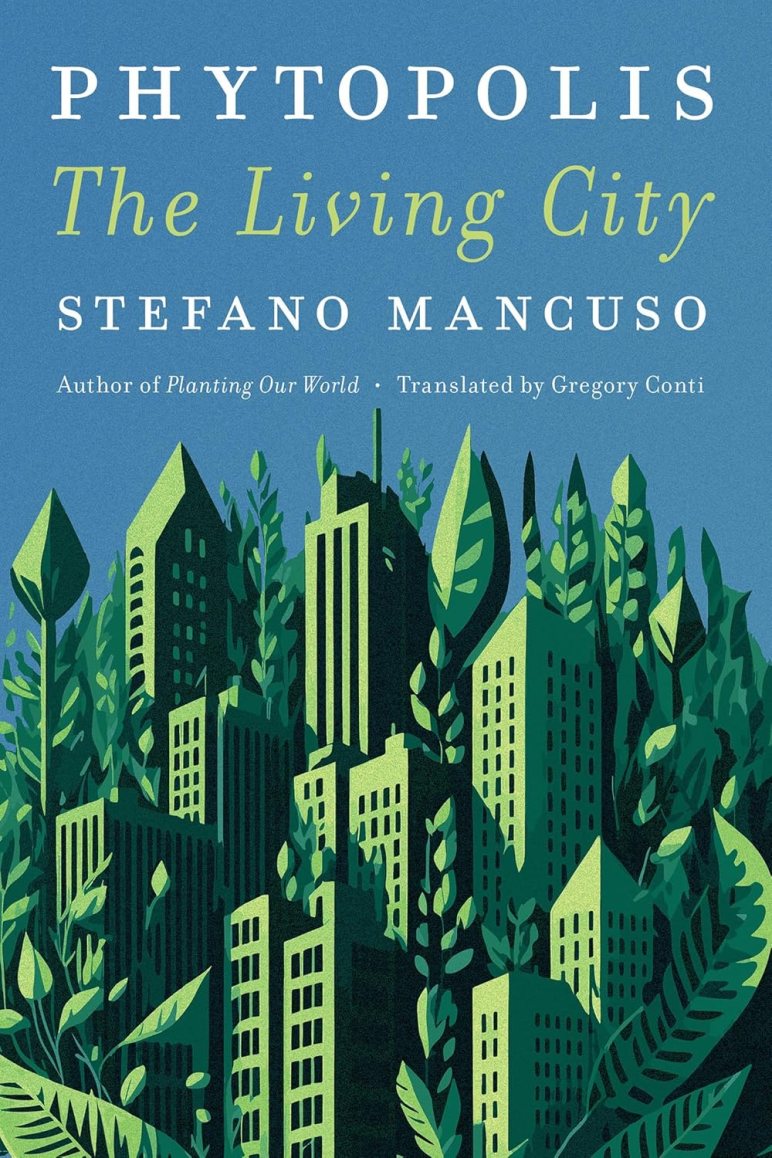
#ItalianLitMonth n. 9: Plants Are Us: Stefano Mancuso’s Phytopolis

by Gregory Conti In this latest book by Italy’s best-known botanist, Stefano Mancuso speaks to his readers where the vast majority of them live, in cities. More and more, and the summer of 2024 is only the most recent and to date most extreme example, that means cities that are so overheated they are at … Continue reading #ItalianLitMonth n. 9: Plants Are Us: Stefano Mancuso’s Phytopolis

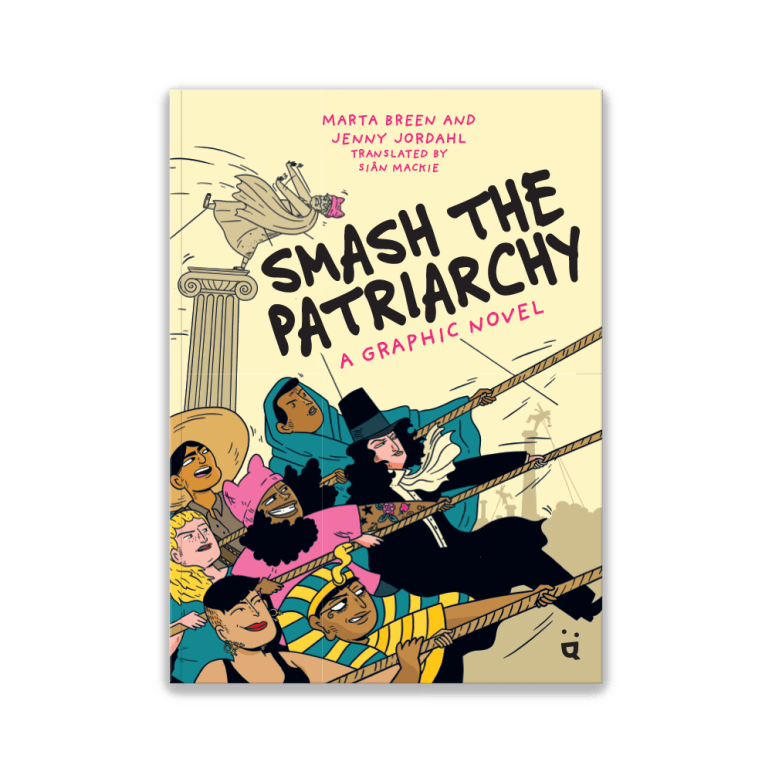
#WorldKidLit Wednesday: Smash the Patriarchy

"Up for smashing the patriarchy?" "Yes!""Yeah!""But... What is the patriarchy, exactly?" So goes the opening dialogue in Smash the Patriarchy, a fabulous graphic novel for upper YA readers. The much-deserving winner of this year’s GLLI Translated YA Book Prize, it describes and defines terms such as “the male gaze,” “slut-shaming,” and, yes, “the patriarchy” with … Continue reading #WorldKidLit Wednesday: Smash the Patriarchy

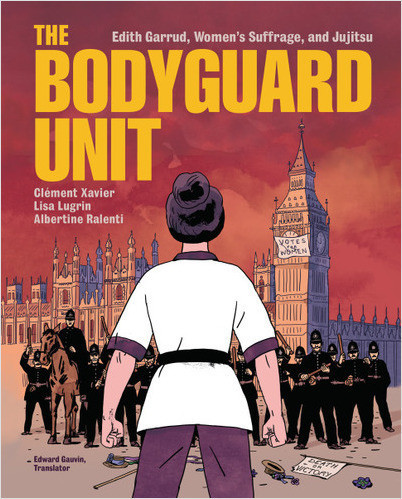
#WorldKidLit Wednesday: The Bodyguard Unit: Edith Garrud, Women’s Suffrage, and Jujitsu

The Bodyguard Unit: Edith Garrud, Women’s Suffrage, and Jujitsu is the engagingly told story of a lesser-known figure from an important part of 20th century history, Edith Garrud. A 2024 GLLI Translated YA Book Prize Honor Book, this superb nonfiction graphic novel connects the dots between women’s suffrage, their personal freedom, and their ability to … Continue reading #WorldKidLit Wednesday: The Bodyguard Unit: Edith Garrud, Women’s Suffrage, and Jujitsu

#WorldKidLit Wednesday: The Boy from Clearwater, Book 1

Named to the 2024 Global Literature in Libraries Initiative Translated Young Adult Book Prize shortlist, The Boy from Clearwater tells the story of Tsai Kun-Lin, "an ordinary boy" born in Qingshui District on the western coast of Taiwan. Tsai Kun-Lin's story, however, is nothing short of extraordinary. It is a story of surviving military occupation, … Continue reading #WorldKidLit Wednesday: The Boy from Clearwater, Book 1

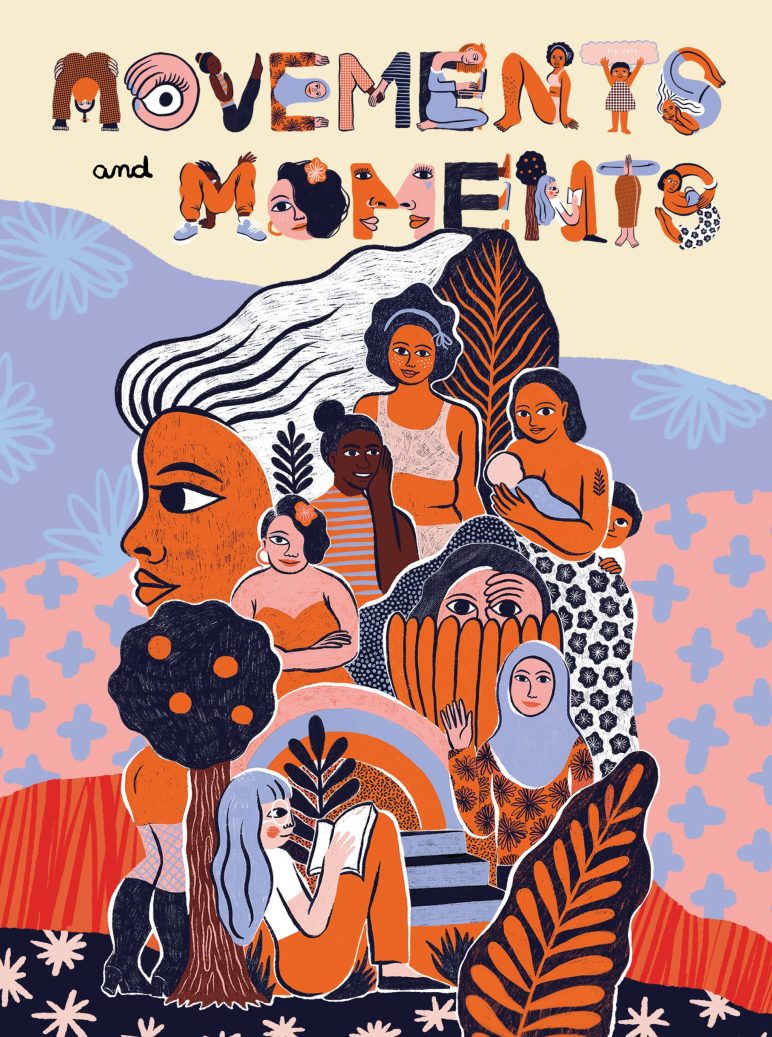
#WorldKidLit Wednesday: Movements and Moments

For all the hand wringing about young people not liking to read or even reading proficiently, there sure is a lot of gatekeeping by adults around what is and what is not appropriate for young people to read. Bracketing and suspending for a moment current book banning efforts in the United States, there are adults … Continue reading #WorldKidLit Wednesday: Movements and Moments

#EndangeredAlphabets: Where Are We Going, Where Have We Been?

https://www.youtube.com/watch?v=6J-lQuyr0Yw&list=PLYG37Sb2buKjaMtjztHjDc5pSS1a1jorr&index=12 My month here is almost over, and I've taken you all to so many places around the world, and brought up so many ideas about the nature and purpose of writing that it's not easy to wrap everything up. So I'm going to steal from myself, and offer you the wrap-up I created for … Continue reading #EndangeredAlphabets: Where Are We Going, Where Have We Been?

#EndangeredAlphabets: How Do You Go About Reviving a Traditional Script? Case Study: Bali

"Suksma," or "Thank you," in the traditional Balinese language and script. Photo and carving by the author. Fairly often I get asked: what does it take to revive a traditional script that has been unused, or largely unused, for years? Decades? Centuries? Much less often, I actually have a clear, detailed answer. In this case, … Continue reading #EndangeredAlphabets: How Do You Go About Reviving a Traditional Script? Case Study: Bali

#EndangeredAlphabets: Impeaching the Ghosts: Writing and Magic

Batak pustaha. Image courtesy of the Incunabula Library. I was on Twitter the other day and came across a tweet from Philip Boyes of the University of Cambridge, an archaeologist and linguist working on the Bronze and Iron Age Levant. He had been researching early Chinese handwriting manuals and came across this passage: “Strangely, it … Continue reading #EndangeredAlphabets: Impeaching the Ghosts: Writing and Magic

#EndangeredAlphabets: Roman Column

Endangered Alphabets Project poster, 2020. Design by Alec Julien, carving and photo by the author. The elegant maps that illustrate the spread of writing take at best a satellite’s-eye view of what really happens when one culture adopts writing from another. It may look as though writing spreads like a good idea (and there are … Continue reading #EndangeredAlphabets: Roman Column

International Mother (Written) Language Day

International Mother Language Day, February 21st, is a kind of well-intentioned bureaucratic expansion of the Bangladesh observance of National Martyrs Day, a remembrance of the day in 1952 when five people were killed for protesting their right to speak Bengali (Bangla) rather than Urdu, the official language of the new state of Pakistan. What came … Continue reading International Mother (Written) Language Day