by Jeanne Bonner
Jamie Richards has translated the works of some of the most celebrated writers working in Italy today, including Igiaba Scego and Viola di Grado. She won the 2024 National Translation Award in Prose for her translation The Hunger of Women by Marosia Castaldi, which was published by And Other Stories. Her translation was also a finalist for the 2024 Italian Prose in Translation Award (IPTA). She was the recipient of a 2021 NEA translation grant for the overlooked Italian classic Giù la piazza non c’è nessuno by Dolores Prato. Of particular interest is the breadth of her translation work: she has produced English renditions of both traditional novels and also myriad graphic novels, including Zerocalcare’s Kobane Calling. What Richards brings to the process is a deep acumen in English and Italian, particularly pertaining to sentence structure, tone and linguistic effect. We’ll catch up with her in this post, and learn about the books she’s shepherded into the Anglophone world.
Jeanne Bonner (JB): Why read literature in translation?
Jamie Richards (JR): The many answers to this question typically present some version of the idea that literature from places other than our own is mind-opening, world-expanding, which is true, and is the reason why children in particular should be exposed to foreign stories and books. Adult readers, on the other hand, reach for works that somehow appeal or speak to them—and how can one be interested in something they don’t even know exists? Reading widely is important for developing taste, besides the wonderful erudition of having a sense of different literatures (knowing a foreign literary tradition needn’t be reserved for professionals). Here is where it is important to build community and have conversations, online or ideally in real life: join book clubs, take recommendations from booksellers, order books for your local library and talk to your librarians. And translators appreciate fan mail.
Our world is increasingly globalized such that the barriers and differences between developed countries can seem relatively small, or minor, when it comes to art. But it actually takes an immense amount of work to bring something across, and I don’t just mean the creative labor of translation but the extensive process a book goes through to be written, published, promoted, sold, selected, translated, edited, and republished in another place. The number of people that have to believe in something for it to make it into your hands constitutes a powerful endorsement in itself, and this is all the more true of a less commonly translated literature. And beyond the pleasures of encountering something I would call handcrafted and genuine I think that supporting these people is essential to our literary and intellectual ecosystem. Reading in translation isn’t guaranteed to make you a better person, but it can’t hurt, and it means a lot to those of us who make it.
JB: To the wider public, translation may seem like simply substituting words from one language for words from another. But what you do is much more than that. How do you bring your knowledge of sentence structure, tone and storytelling to bear when you’re translating a book?
JR: Translating is rewriting. If you’ve ever rewritten something to make it better, you have some sense of what translation is. The more you read in the language you translate from, the better you can interpret its texts; the more you read in the language you translate into, the better you can write a translation. You need an immense store of linguistic and literary knowledge, need to be able to recognize what you don’t know and where to go to find it. And if you are a full-time literary translator, you have to be able to do this quickly; this is why many translators will refer to the idea of instinct or gut when talking about how they make choices, but of course this is a product of extensive training, practice, reading, writing. I would stress that there is a baseline of accuracy that one can get wrong, but how to render a word or clause or sentence can be somewhat subjective or a matter of dispute—thinking of tone, or register, for instance, the exact key or “mood” can be done in myriad ways, and to use a cliché, may require thinking outside the box: a single, especially meaning-dense term in the source text may call for additional adjectives, non-standard syntax may be required for the order in which information is presented, comma-spliced, run-on sentences might be retained (or scrapped!) for rhythm, quotations or cultural references may need to be tracked down or even switched out…
JB: Could I ask you about your process? When you’re translating, how many times do you read a work before you begin your translation? Does it vary if you’re translating a graphic novel?
JR: If I’m commissioned to do a translation of a book I have never read, I don’t read it before getting started. This is because I will end up reading it several times anyway, and reading it in advance is therefore technically unpaid labor that will have little bearing on the work I ultimately produce. The style will build and develop in the making and then be honed in the end. If I have read the book, say if it’s older, I was involved in the process of getting the book selected by the English editor, or it was a rare self-initiated project, translating is really so different than reading it doesn’t really matter. It’s like watching someone else ride a bike or doing it yourself.
JB: How do you know when a translation is done? When do you stop polishing the manuscript and submit it to the publishers?
JR: I usually have deadlines, and tend to work down to the last minute or after, and the reality is that translation is a decision-making process where you have to make hundreds and thousands of successive choices, some of which are very simple and instantaneous and others which are more complex and cognitively or creatively demanding. Most of the decisions are boring, or automatic, I think, which is why it can be hard to talk about one’s translation work, particularly in retrospect. There can be a measure of spontaneity, or rootedness in a moment, which means that you may have made a different decision had you done the same thing at a different time. Translations are always tethered to their moment of creation and to their creators, which is why they can be artworks in themselves. I have learned, through experience and from my most esteemed colleagues, not to fixate. I usually go through a text three times: rough draft, final draft, and reviewing the edited manuscript and/or publisher proofs, which is the final typeset version of a text before it goes to print.
JB: You have also reviewed work in translation for various publications. What hallmarks do you look for in a well-translated book?
JR: There are myriad ways for a translation to be good, but what stands out to me is language that sparkles and doesn’t show signs of struggle. I came up as a translator because of and through the translation theorist Lawrence Venuti, and the principle of foreignization (in the form of defamiliarization) is important in my way of reading (if misunderstood in general). Put simply, one can see when one has a mastery of style or has drawn impressively on the resources of the translating language (in our case, English).
JB: What Italian authors whose work has been translated into English do you enjoy?
JR: I won’t mention the usual suspects except to say that everyone should read Luigi Pirandello, Pier Paolo Pasolini, Elsa Morante, Primo Levi, and Alessandro Manzoni’s Betrothed (tr. Michael Moore); Giacomo Leopardi is probably the most important writer for me personally. The minimalist realism of Gianni Celati is precious and I love the vein of ironic/comic literature from Italo Svevo to Luigi Malerba to Amara Lakhous. I have so many out-of-print books I would recommend … Paola Masino’s The Birth and Death of the Housewife (tr. Marella Feltrin-Morris), Aldo Palazzeschi’s Man of Smoke (tr. Nicolas J. Perella & Ruggero Stefanini). Of recent publications I would recommend Claudia Durastanti’s Strangers I Know (tr. Elizabeth Harris) as well as the Dino Buzzati books coming out in reissues/retranslations.
JB: What authors have you translated that should be much better known in the English-speaking world?
JR: Most of the authors I’ve translated are not well known. Giovanni Orelli’s Walaschek’s Dream is the great postmodern novel of Italophone Switzerland and accomplishes the feat of being enormously intertextual while great fun to read. I’ve done several incredible graphic novels that flew too far under the radar and that I never quite know how to characterize: Leila Marzocchi’s Nymph is gorgeous, was a wonderful creative enterprise to translate, and is YA-friendly. Miguel Vila’s masterfully grotesque Milky Way is the best representation of Italian provincial life I can think of, but NSFW, and the gargantuan Spit Three Times by Davide Reviati mixes coming-of-age with Romani identity in an incredible book. Finally, if you want to read what all the young Italians are reading, pick up Zerocalcare.
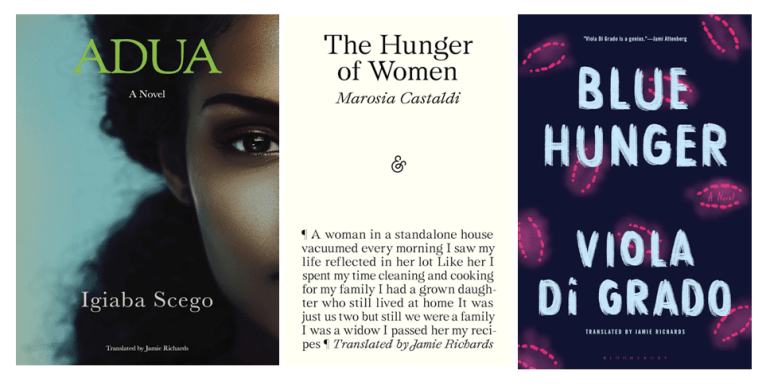
Recent translations by Jamie Richards include:
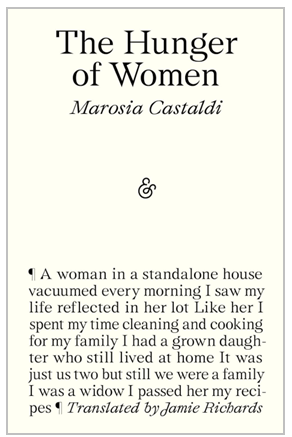
The Hunger of Women
- by Marosia Castaldi
- Translated from the Italian by Jamie Richards
- 2024 National Translation Award in Prose winner
- Original title: La fame delle donne (2012)
- 256 pages
- Publisher: And Other Stories (2023)
- ISBN: 9781913505868
- Treat your bookshelf to a taste of Italy! Order the book here!
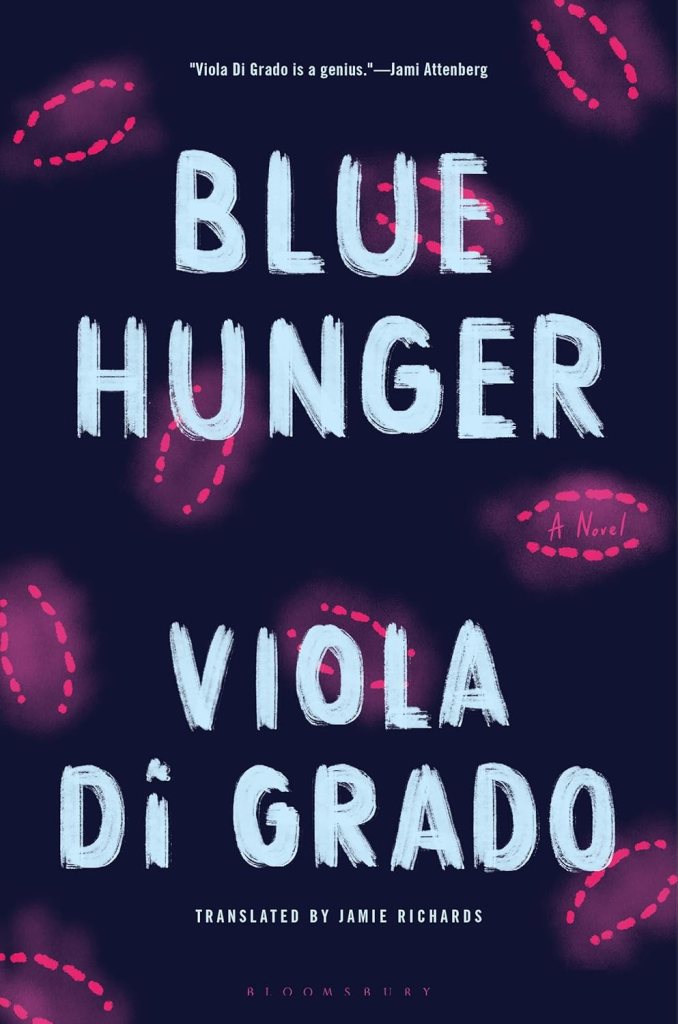
Blue Hunger
- by Viola di Grado
- Translated from the Italian by Jamie Richards
- Original title: Fame blu (2022)
- 224 pages
- Publisher: Bloomsbury (2023)
- ISBN: 9781635579499
- Treat your bookshelf to a taste of Italy! Order the book here!
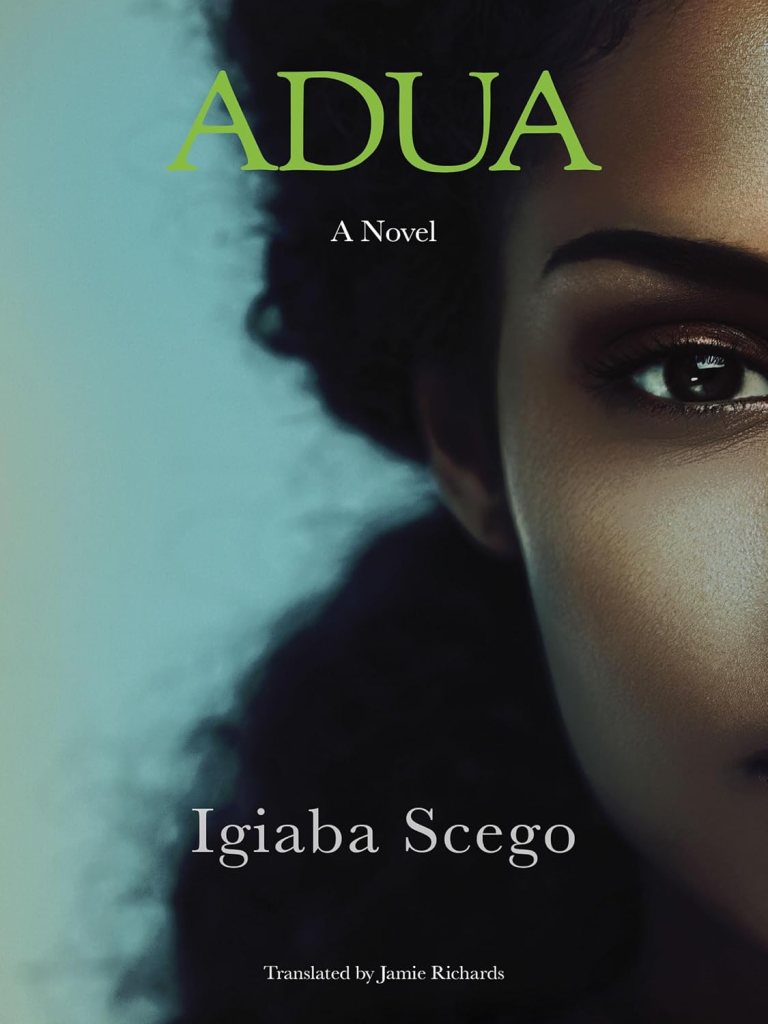
Adua
- by Igiaba Scego
- Translated from the Italian by Jamie Richards
- Original title: Adua (2015)
- 185 pages
- Publisher: New Vessel Press (2017)
- ISBN: 9781939931450
- Treat your bookshelf to a taste of Italy! Order the book here!
Jeanne Bonner is a writer, editor and literary translator. Her translation of Edith Bruck’s first short story collection, This Darkness Will Never End, will be published in 2025 by Paul Dry Books. She won an NEA literature grant in translation in 2022. A published essayist, she occasionally teaches writing at Wesleyan University in Connecticut. She is a former newspaper reporter and NPR station producer.
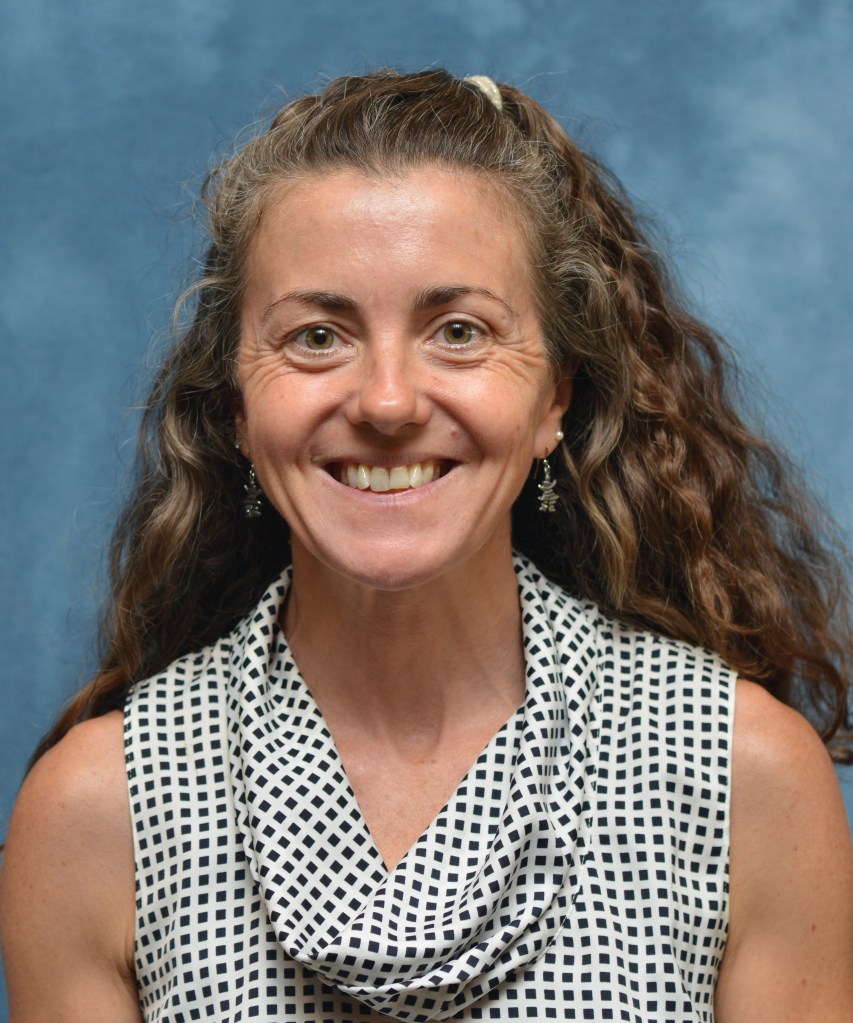
Jamie Richards is a widely published translator from the Italian. She holds an MFA in Literary Translation from the University of Iowa and a PhD in Comparative Literature from the University of Oregon, and her work can be found in numerous publications online and in print.
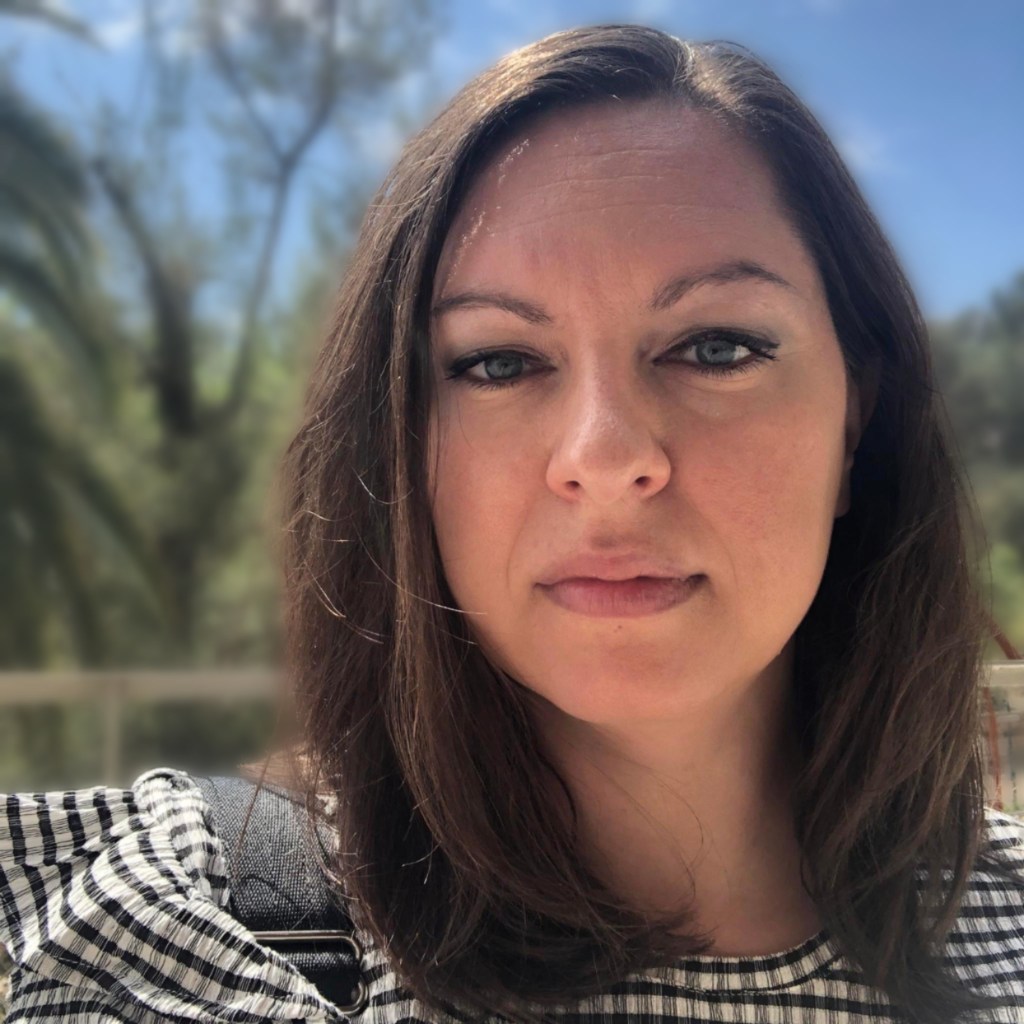
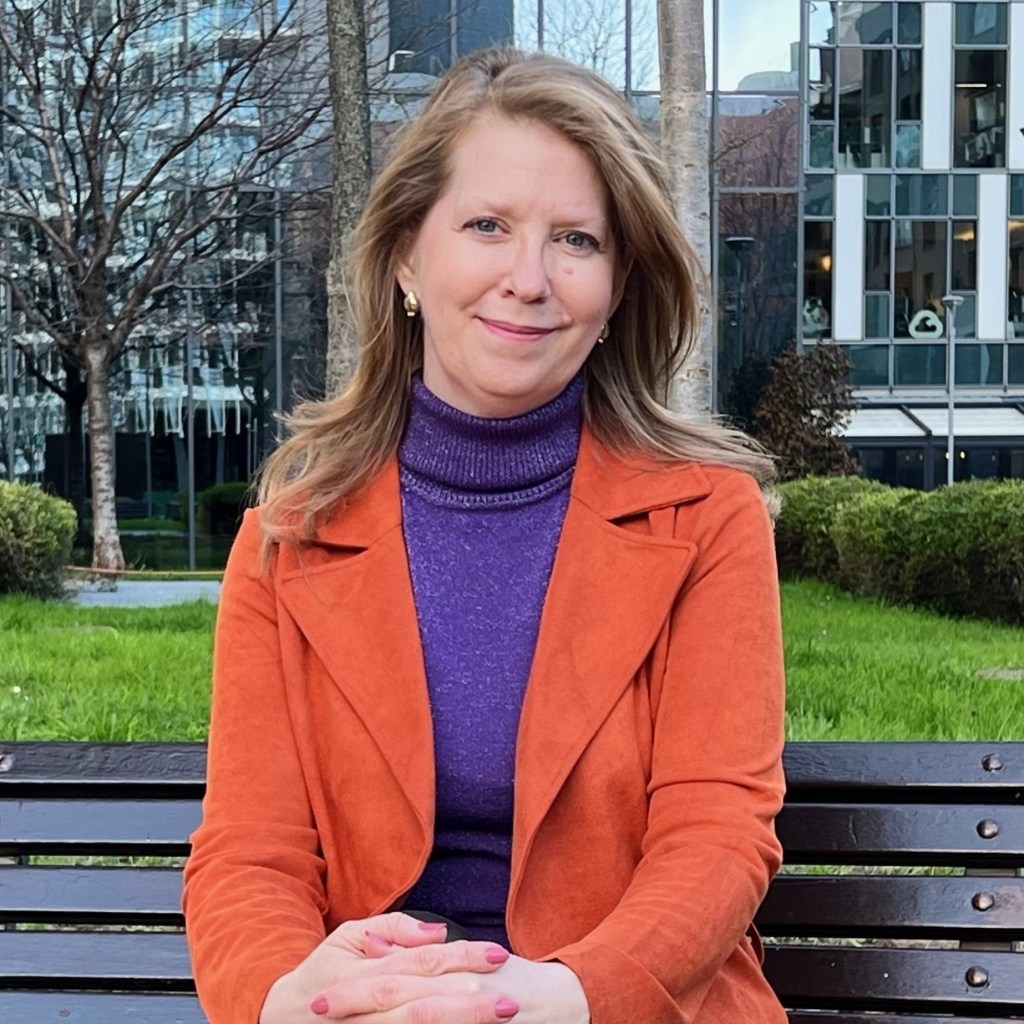
Italian Lit Month’s guest curator, Leah Janeczko, has been an Italian-to-English literary translator for over 25 years. From Chicago, she has lived in Milan since 1991. Follow her on social media @fromtheitalian and read more about her at leahjaneczko.com.
 Global Literature in Libraries Initiative
I didn’t start reading world literature until my thirties. I was just so bored with American perspectives; our basic cultural arguments haven’t changed much since “All in the Family.” Now I wish I’d learned Spanish; Latin American literature turned out to be my favorite.
LikeLike