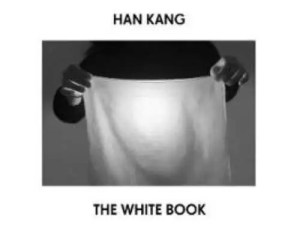
One of the styles of prose I love most is patchwork fiction, which sits on the line between fiction and nonfiction, using vignettes to link a theme or story together. This book from Korea links tale vignettes around death and how death is celebrated/remembered around the world. I have often found solace in books like this when dealing with personal deaths. I must admit, first up for me as a reader, I was never as swept away by her book, The Vegetarian as some other readers were. So when Han Kang’s latest book was on the longlist ,I wasn’t maybe as keen to read it as some of the others on the longlist. This is the third book from Han Kang to be translated to English and was published in Korea in 2016. It is also a different book from the first two books as it is a narrative prose piece for me.
Now, for me as an English reader, The White Book as a title seems less dark than if this book was called the Black Book, but in a way, that should be the real title of the book. It is a series of small vignettes split into three sections that mainly focus on the birth of Han Kang’s older sister, who was born and died two hours after her mother, aged 22, gave birth. A child that is described as looking like a rice moon cake when born in the first section, the vignettes seem to interlink with a few recurring motifs in the prose pieces, a list of white objects. But as the pieces unfold, we see how white is never really white. From the child’s face to moon rice to snow in all its forms, from thick blizzards to sleet showers. An ode to a sister that was never known but also to the color of morning in Korea, which is white, and things connected to morning in Korea, like rice. Also, there is a color connection of blood; the fact in Korea, red chilli powder is put in the rice at a funeral. It’s a wonderful mix of a piece that draws you as a reader into a young woman”s grief, but also a poetic vision of grief and morning.
I am so pleased this has come after her book, The Vegetarian, as anything after this would be a letdown for me as a reader. This book is fragile in its prose style, like a pile of rice barely held together. It has a sense of the fragile nature of life. The sense of grief of losing a daughter so early in one’s own life. But also the poetic side of the list of white things that litter the book. I found the ones around snow so poetic, the way sleet turns to water on contact with the skin, almost like the daughter’s life in a brief moment of time. This is about how brief life is. This is a perfect choice of why I read global literature. These books open our eyes as readers to the wider world’s poetic visions and grief.
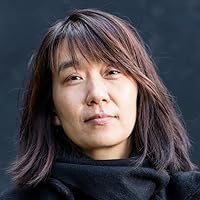
Han Kang is the daughter of novelist Han Seung-won. She was born in Kwangju and at the age of 10, moved to Suyuri (which she speaks of affectionately in her work “Greek Lessons”) in Seoul.
She studied Korean literature at Yonsei University. She began her writing career when one of her poems was featured in the winter issue of the quarterly Literature and Society. She made her official literary debut in the following year when her short story “The Scarlet Anchor” was the winning entry in the daily Seoul Shinmun spring literary contest.

Deborah Smith translates contemporary Korean literature into English, mainly books by Han Kang and Bae Suah. She founded Tilted Axis Press in 2015, one of my favourite publishing houses.



I disliked The Vegetarian too, and abandoned it. as I said in a brief comment at Goodreads… I do not understand why people want to write about violence against women in this sick and disgusting way or why people want to read it.
Based on what you say about this one, I’d be prepared to try it out if I see it at the library!
LikeLike