Well, I’m over to 2012 and the second Shadow independent foreign fiction prize. I have chosen one of my all-time favourite writers, Bernardo Atxaga. I chose this because he has also written some children’s literature that has been translated into English.
I’d been looking forward to this novel as I had enjoyed his other books as he has a real knack for quirky characters and unusual situations. Still, I was a bit weary after I read Jackie’s review. She found this book very savage. Now, the basis of the story is a garrison deep in the Congo in 1903 with a group of soldiers (and I suppose this is where this book will be compared to Conrad’s Heart of Darkness and it has a lot in common with that book). The garrison is rather like the station that Kurtz lives at in that book. It’s a place of decay and loose morals. But I also find this book maybe is a bit like Buzzati’s Tartar Steppes as the men in the Garrison have so little to do, so they have gone rogue, and like the main character in that book, Biran has dreams of a different way via his poems. Now the fact that King Leopold of Belgium is on the verge of visiting the garrison has come to light. Also, a new arrival sets up the story: Chrysostome’s arrival is a catalyst as it turns out he is a moral man in this slowly, if not completely immoral, garrison. We discover how each of the white officers has gone rogue, raping locals, tying up and shoot animals also enslaving the locals as they destroy the local area to bring the riches of the land to Belgium . Chrysostome seems uninterested in the local women and the raping of them that his fellow officers do; this leads to him becoming a target for his fellow officers as he may be gay or too religious to be there. He wears a cross. I see what Jackie hated about this book. It is barbaric, but I feel this book, maybe like a holocaust novel, needs to show the horrors of empire. We all have ideas of what happened during Empire but sometimes, we need a reminder of the horror society can be driven to when they have no real barriers. This is a situation I’ve seen examined before in the film The Exterminating Angels by the Spanish filmmaker Luis Bunuel, which shows how a group of dinner party guests end up as savages as they are trapped, and this is part of what happened here. These 17, now 18, white officers trapped in the dark side of the Congo jungle have gone savage.
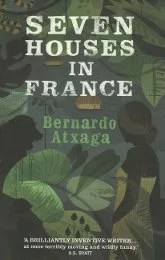
Seven Houses in France
by Bernardo Atxaga
translated by Margaret Elisabeth Jull Costa
paperback published by Graywolf Press
ISBN: 978-1555976231
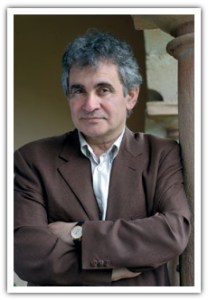
Jose Irazu Garmendia, better known as Bernardo Atxaga1, was born in Asteasu, Gipuzkoa in 1951. The landscape and people of this little village marked the author’s childhood. A green mountainous landscape dotted with baserris, or Basque farmhouses, and the sound of people speaking Basque – people who enjoyed telling stories about animals and fantastic events. That is the world that Bernardo Atxaga grew up in, and the world he tried to revisit in his fantastic tales of Obaba – most poignantly in his acclaimed novel Obabakoak.
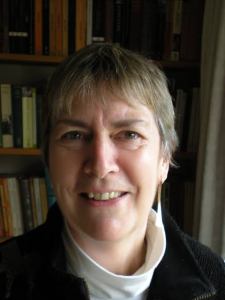
Margaret Elisabeth Jull Costa has translated the works of many Spanish and Portuguese writers. In 2014, she was awarded an OBE for services to literature.

This post is by Stuart Allen, the blogger behind the blog, Winstonsdad. Stuart is a lover of translated literature and world cinema. He started the #translationthurs hashtag on Twitter and his blog is rated the #1 translated literature blog in the world by Feedspot.


It’s great to be reminded of this book, I was very impressed by it.
LikeLiked by 1 person