Today I am going to introduce you to Busisekile Khumalo. Her latest novel, Sunshine and Shadows is hot off the printing press. The book is published by Kwela Books, a South African-based publishing imprint. Since the demise of the publishing industry in Zimbabwe, it is not uncommon to find many Zimbabwean authors who are either self-published, or published outside the country, but the content remains proudly Zimbabwean.
This story unravels in Harare, aptly nicknamed the Sunshine city, which is reflected in the title of this book. We are introduced to the main protagonist, Vimbai, a studious university law student and social climber. Through her, we navigate Harare, which is a tale of two cities, the decadently rich and filthy poor, the politically privileged elite and the politically marginalised. While this is a romantic thriller, even then we come to understand that romance is political as are women’s bodies which are often sold to the highest bidder. This book also highlights that, for the most part, Zimbabwean women have no agency. The book will also take the reader to other lesser-known cities in Zimbabwe: Gwanda and Gweru. This novel brings to the fore a cosmopolitan urban Zimbabwe together with its plethora of problems and pleasures. Told with boldness and sassiness, it will make an enjoyable holiday read!
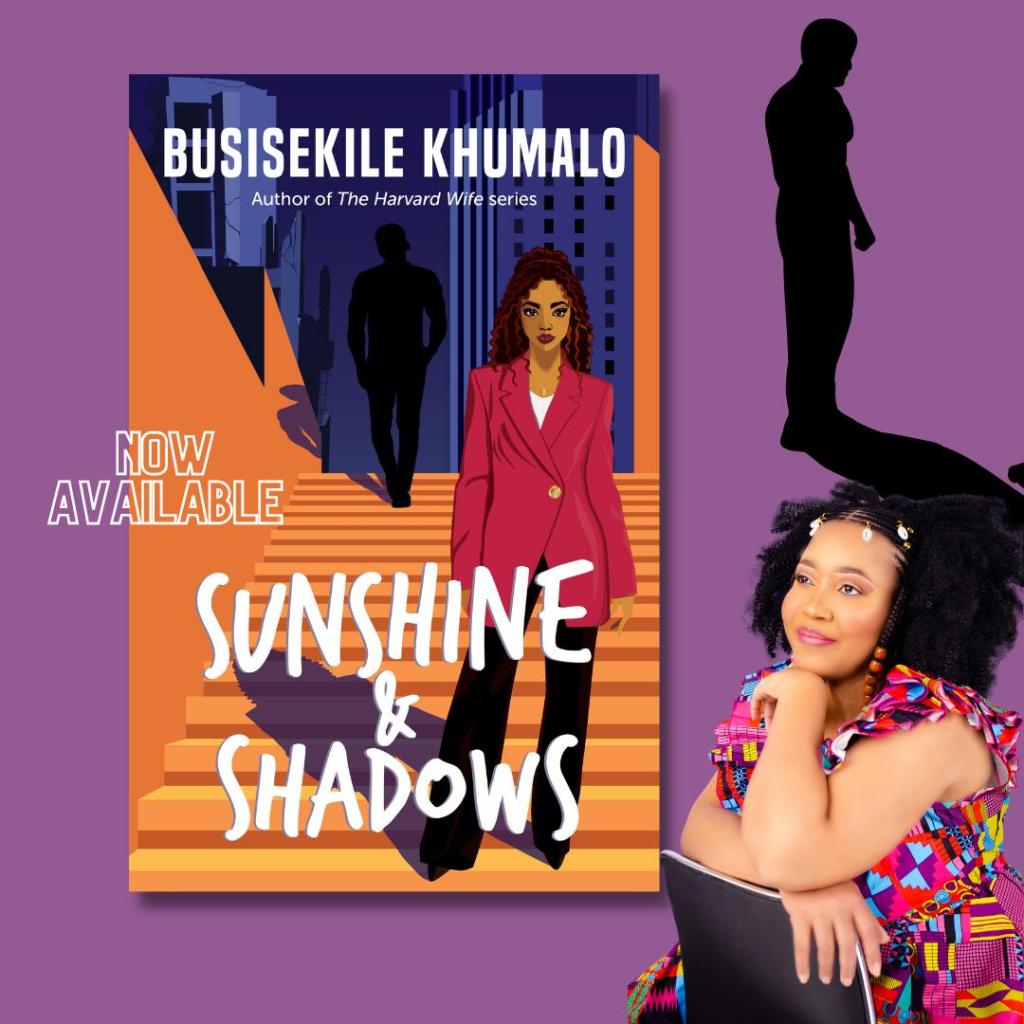
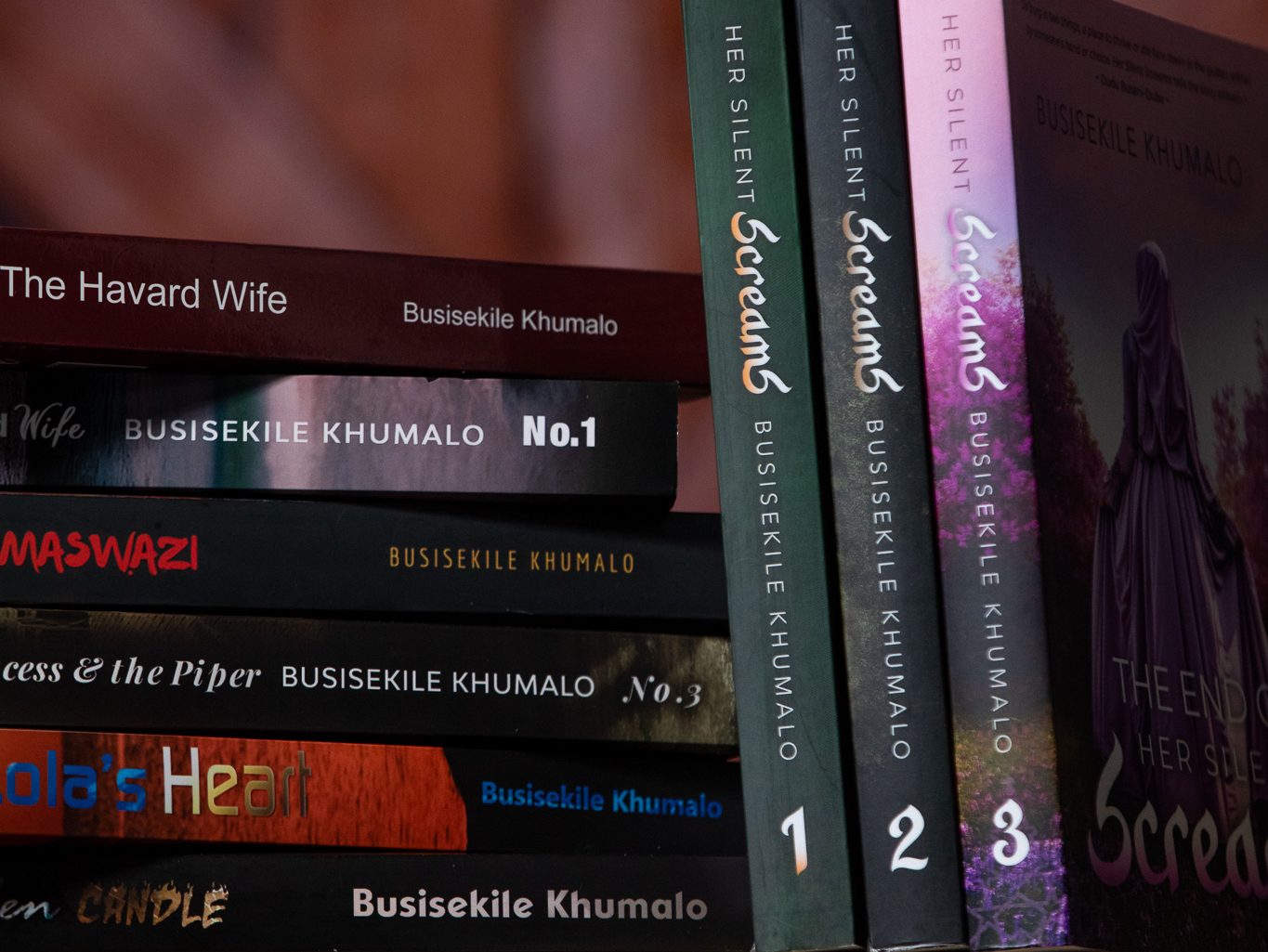
Busisekile Khumalo is not new to the writing scene. She made her literary debut in 2017 with the self-published Harvard Wife series. Since her successful debut , Busisekile has gone on to publish seven more books and has earned a reputation as a serial writer as her novels end with a cliffhanger luring you to buy the next installment in the trilogy. A lawyer by profession, Busisekile turned to writing when she was unable to secure formal employment on relocating to South Africa. In frustration she began to write, not knowing she would write herself into a lucrative writing career. All her books are available as eBooks on Amazon. You can also follow her on Twitter at @khumalo_busie and she has a Facebook page where she engages with readers.
#ZimbabweLitMonth is curated by novelist Sue Nyathi. She is a published Zimbabwean author of four fiction titles: The Polygamist (2012), The Gold Diggers (2018), A Family Affair (2020), and An Angel’s Demise (2022). She also edited a nonfiction anthology titled When Secrets Become Stories, Women Speak Out (2021). You can visit her website here and follow her on Twitter at @SueNyathi
 Global Literature in Libraries Initiative
Could you please explain about what happened to the Zimbabwean publishing industry?
Thanks
LikeLike
Hi Lisa, thank you for following. It literally collapsed just like the economy. The only publishing imprints left are Weaver Press and until recently there was AmaBooks run by a couple Jane Morris and Brian Jones whom have since relocated to the UK. There is new ZW run,independent press called Carnelian Publishing but they are based in the UK. So what you have now is a proliferation of self published books. Traditionally published ZW authors are typically published outside the country which means their work is not easily accessible.
LikeLike
Thanks you for explaining, I thought it was probably something to do with the economy but it’s good to hear that there are at least some publishers, even if they are in the UK.
You know, in Australia, we didn’t really have our own publishing industry until the second half of the 20th century, so I’m familiar with the issues. A UK publisher will publish what they think will sell in the UK, rather than where it was written, and in Australia’s case, that was often exoticised. For example, they weren’t really interested in stories of urban life; they wanted stories that gave their UK readers a sense of something different (climate, scenery, landscapes, fauna &c). So that distorted what got published for a long time.
One of my sources for African Lit is the Johannesburg Review of Books, but lately they do more in the way of publishing excerpts than in reviews. I suppose it’s cheaper for them than paying for reviews, and it’s free to read so I shouldn’t complain. But I don’t like reading excerpts if I haven’t got the book to continue reading!
But with self-published books, IMO, a credible review is critical because (sadly, thanks to Amazon) there is a fair bit of substandard stuff around and nobody wants to waste precious reading time (or money) on that.
It makes it difficult for self-published authors, I know.
LikeLike
Hi Lisa, i think it’s getting harder and harder to get credible reviews, even for traditionally published books. The reason being there are fewer publications like you pointed out that are willing to pay reviewers and there are fewer reviewers willing to do credible reviews for free. Yes it makes it difficult for self published indie authors who generally get a bad rep but there are still some pretty great ones out there. It’s a question of sifting the wheat from the chaff. I don’t think I would be doing a great job if I excluded the self published material from the cannon of ZW literature because it also becomes an important mouthpiece for expression. About the publishing industry, it’s the publisher who gets to decide what will sell and what will appeal to their market unfortunately. This means a lot of content, even though its brilliant won’t get published because there is no market for it.
LikeLike
Yes, I agree, its’s a difficult situation. Perhaps I didn’t express myself well, I’m not suggesting that you shouldn’t include these books here… in fact, using your expertise to include them here “sifts the wheat from the chaff” and tells people (like me) that these ones are worth a reader’s time and money!
LikeLike