Welcome back to #WorldKidLit Month. Today’s post comes to us from Lisa Miller.
Sharing the precariousness of Earth’s plight in a gentle, hopeful but realistic way is the miracle of Finding a Way to Faraway Valley (2023) written and illustrated by Cecelia Heikkilä, and translated from Swedish into English by Polly Lawson.
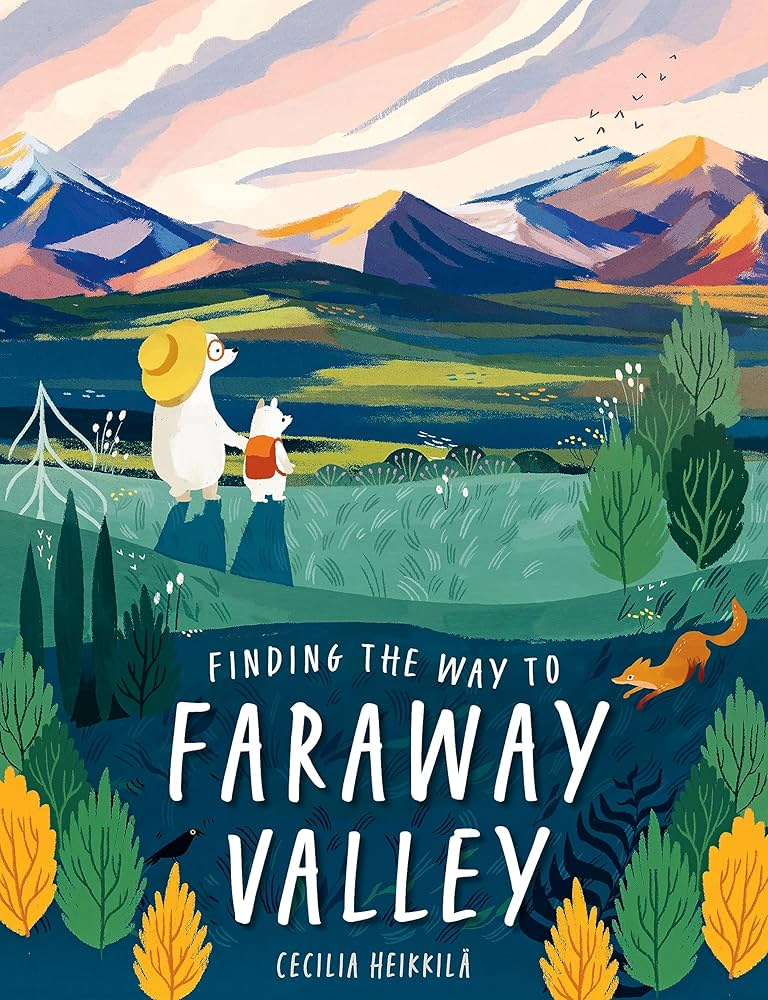
An old postcard on Grandpa Bear’s fridge holds a promise that sparks a curious little bear’s imagination — the promise of Faraway Valley, a special place with pine needle air and a wide sky. And a grand adventure begins.
The determined pair study maps, learn skills, pack supplies, and set sail on a long journey by boat and foot. They are on a quest to find the wild creatures of Faraway Valley, a place they’ve only seen in a picture. But when they arrive, they are devastated to find a ruined forest of stumps and mud. They believe they have arrived “too late.” Then, in a moment of pure magic, they are approached by a “small crowd” of the majestic animals of Grandpa’s stories —an elk, fox, wolf, and more—who seem to recognize their purpose and ask them to follow. Next morning, the bears wake up knowing that this is actually their longed-for destination.
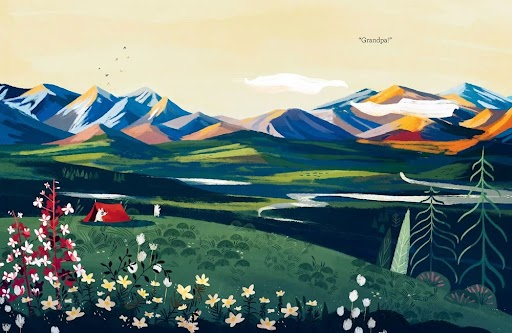
In a bittersweet moment, Grandpa says he’ll remain permanently to protect the land, but it’s the cub’s job to go back home and teach others to “love the places of beauty we have left.” Back at school, wearing Grandpa’s yellow hat, the little bear shares his adventure and promises to return one day.
In our daily lives, sharing the precariousness of Earth’s future and taking genuine action can seem like too dark and too daunting a task/topic to share with children. Yet, the combination of Cecelia’s art and story gently but firmly shares the challenges and elation of that quest.
From a service learning perspective, it was wonderful to read a story that included all the research, preparation and perseverance required of a long journey as well as the different roles generations may play. Little bear’s place in protecting the planet feels both real and possible – leaving readers with a sense of hope and purpose.
The story’s power lies in the quiet moments of the beautiful artwork. The watercolor, gouache, and pastel illustrations, fill the book with texture and emotion – the heartbreaking image of the cut-down forest stops you in your tracks. The longer text on some pages allows the wild spaces to speak for themselves in a breathtaking two-page spreads of forests and animals.
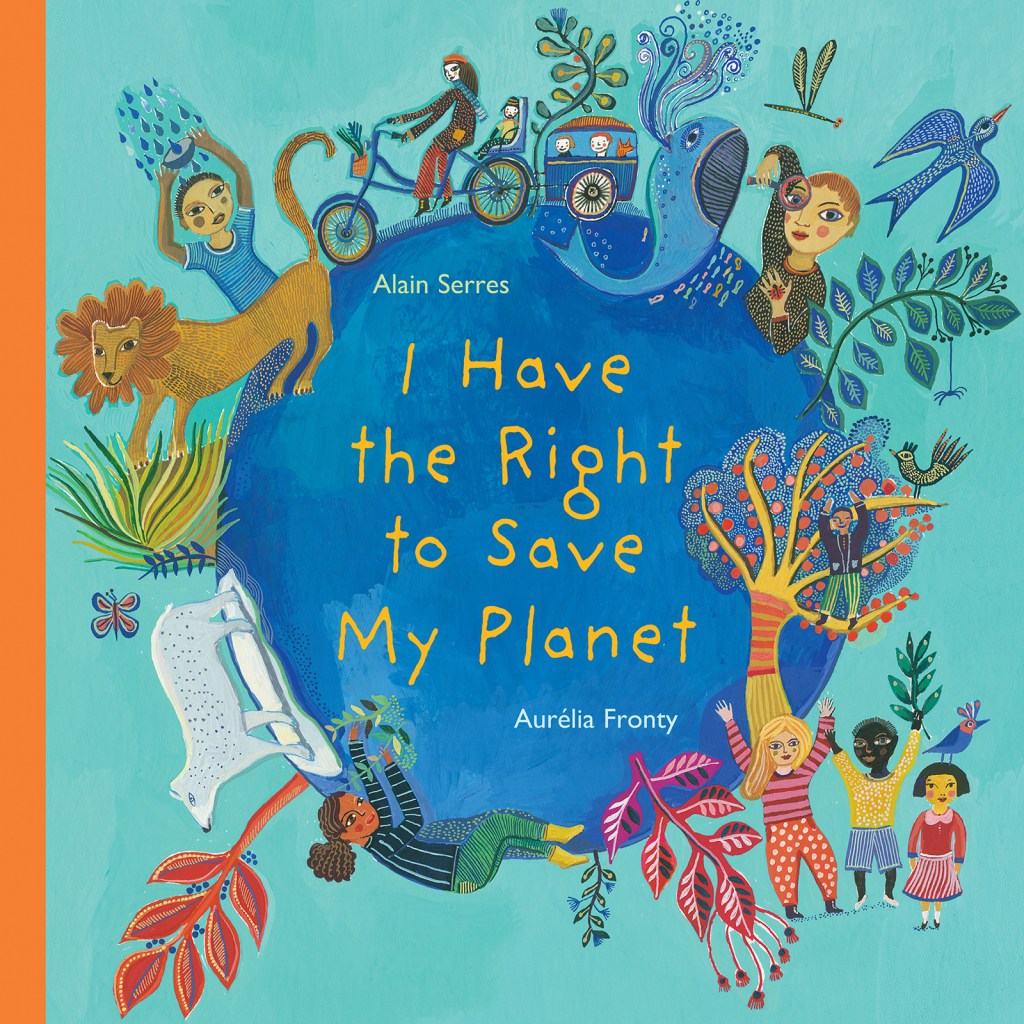
Another beautiful book that revived my awe in our environment was Olga Fadeeva’s Water: Discovering the Precious Resource All Around Us (2022), originally published in Russian and translated into English by Lena Traer. If you are looking for something much more provocative and loudly empowering for children you could have a read of I Have the Right to Save My Planet (2019) by Alain Serres, originally published in French and translated to English by Shelley Tanaka and illustrated by Aurélia Fronty.

As I ponder being more than a half-century old, the idea of legacy and the proverb, ‘A society grows great when old men plant trees in whose shade they know they shall never sit’ has been rattling around my mind. Finding A Way to Faraway Valley may be a way to start conversations about protecting Earth and remind us that every person, young or old can, and should, make a difference as we “love the places of beauty we have left.”
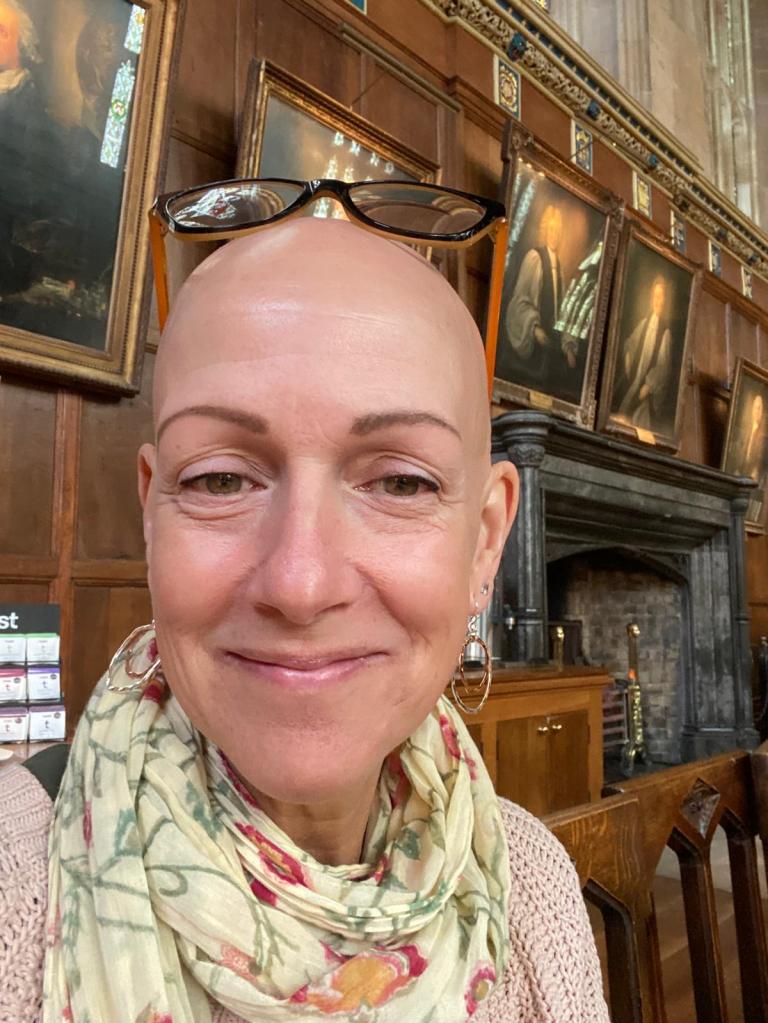
Lisa Miller has been a passionate advocate for children’s literacy for over 20 years – one book and one child at a time. She is currently a teacher-librarian at UWCSEA in Singapore.
 Global Literature in Libraries Initiative
One thought on “#WorldKidLit Month 2025: The Quest for Legacy in ‘Finding the Way to Faraway Valley’ ”