Welcome back to #WorldKidLit Month 2025. Today’s post comes to us from Angie Erickson.

Some books feel heavy because of what they hold. Mishka (2022), written by Edward van de Vendel and Anoush Elman, illustrated by Annet Schaap, and translated by Nancy Forest-Flier, feels light, even though it is about one of the heaviest things a family can experience, leaving everything behind and starting over as refugees.
Roya and her family have fled Afghanistan and are adjusting to life in the Netherlands. Her three older brothers tease her, care for her, and tell her stories; her parents hold the weight of worry; and Roya longs for something of her own. What arrives is Mishka, a little bunny who becomes both comfort and catalyst. Pets, this book reminds us, heal in quiet, surprising ways.
This isn’t just one person’s story. It’s the result of a collaboration between Edward van de Vendel writing with Anoush Elman, who himself grew up as an Afghan refugee in the Netherlands; Annet Schaap drawing winsome portraits that feel intimate and real; and Nancy Forest-Flier translating so that Roya’s voice rings true in English. Together, they’ve created a book that has already won the Gouden Griffel (2023) and the Zilveren Penseel (2023), as well as being listed as a Thea Beckmanprijs Nominee (2024) and Deutscher Jugendliteraturpreis Nominee for Kinderbuch (2024). [See also the GLLI review of Edward van de Vendel’s The Days of Bluegrass Love here.]

What I loved most is how this story humanises Roya’s family. They are not presented as people to pity, but as a warm, funny and resilient family finding their way together. The book acknowledges trauma without dwelling in it. Instead, it fills the page with the sweetness of everyday life: the siblings’ banter, their shared memories, small hopes for the future, and a bunny named Mishka. I finished the book not weighed down, but hopeful for Roya and her family as they build a new life.
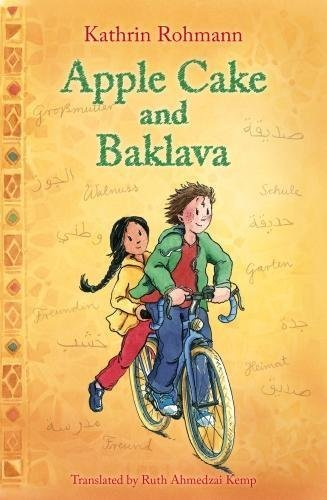
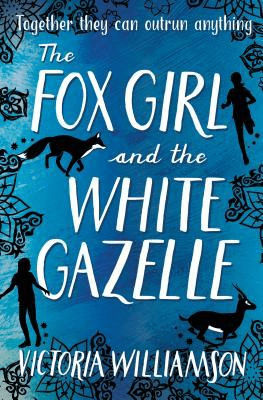
After doing some searching, I’ve realised that books like Mishka are rare. There are very few refugee stories (in translation or written in English) for early middle grade readers. Mishka itself is aimed at ages 7–10. A close companion is Apple Cake and Baklava (2016) by Kathrin Rohmann, originally published in German and translated into English by Ruth Ahmedzai Kemp, written for readers 8–11 and shares the same mix of warmth, family, and hope. For slightly older readers, there are a few excellent English-original novels, such as Victoria Williamson’s The Fox Girl and the White Gazelle (2018, ages 9–12), about a Syrian refugee girl in Scotland, and A.M. Dassu’s Boy, Everywhere (2020, ages 10–13), which follows a Syrian boy’s journey to the UK.

While older readers have more options, Mishka opens the door for children just beginning to read chapter books, showing young readers that refugees are not just statistics but real people with families (sometimes with pets!) and important stories to share.
You can buy a copy of Mishka here or find it in a library here. (Book purchases made via our affiliate link may earn GLLI a small commission.)
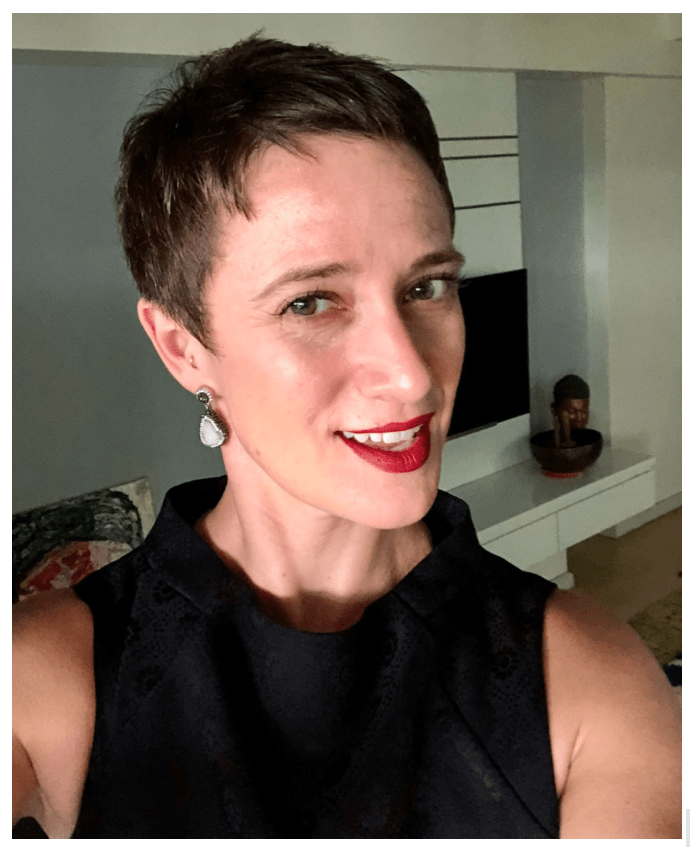
Angela Erickson is a former head of Middle School English who currently works as the Head of Libraries at United World College (Dover campus) in Singapore. She is interested in how educational leadership, curriculum design and pedagogy can be integrated to create a school culture of reading, thinking and writing.
 Global Literature in Libraries Initiative
Mishka is a personal favourite — it feels so intimate, in this smaller format with the lovely understated illustrations on what looks like a brown paper background. And the reader really gets to know this family, Mishka included, in spite of the brevity of the book.
LikeLike