Today’s post is by Kelsey Hedrick.
On February 27, 2022, I was running in the Baikal Marathon when I learned that Russia had finally taken the step to invade Ukraine. I had been living in Russia for almost six years at that point, had worked to speak decent Russian, and felt more at home in Moscow than I had anywhere else. Leaving Russia was one of the hardest moves of my life – I thought I was going to spend the rest of my library career at the Anglo American School of Moscow. Alas, that’s not what happened, although my connection to Russia and its neighboring countries is still strong and clear. Sometimes, the nostalgia hits and I find myself seeking the novels that take me to the Russian countryside in the summer, or to the sauna rooms deep in the winter, or to the metro deep under the city.
Of course, with the state of politics at the time, it’s hard to celebrate Russia and Russian lit without also acknowledging some of the Russian neighbors (the Ukraine, especially, but also some of the former Soviet republics that have suffered under the regime less publicly than the Ukraine).
Therefore, I volunteered to make two posts: One about Russia with the deep connection that I have to it, and one about the Ukraine (with a couple bonus books from nearby places) in order to share some of the books from the area.
But first, let me set the scene with a song and music video. It’s from 1989, and Viktor Tsoi, the lead, is one of the darlings of the youth music scene. His father was Koryo-saram, a descendent of Koreans who settled to the Soviet Union. The song is all about how the people are waiting for changes, which of course would come in a few years. As I hear from friends, they’re waiting for changes again.
Now onto the books.
I imagine the Russian fairy tales are the ones that are the most familiar. Baba Yaga and her chicken feet are popular, but check out these instead:
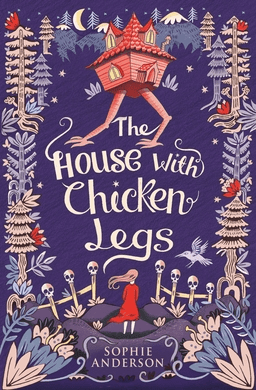
The House with Chicken Legs by Sophie Anderson (2018) is a more modern retelling of the Baba Yaga and was a well put-together story. Her bio mentions that she had a Prussian grandmother who told her some stories as a child. The House with the Chicken Legs has been translated into a number of other languages, including Ukrainian (translated by Ігор Андрущенко), Polish (translated by Przemysław Hejmej), and Portuguese (translated by Fernanda Lizardo).
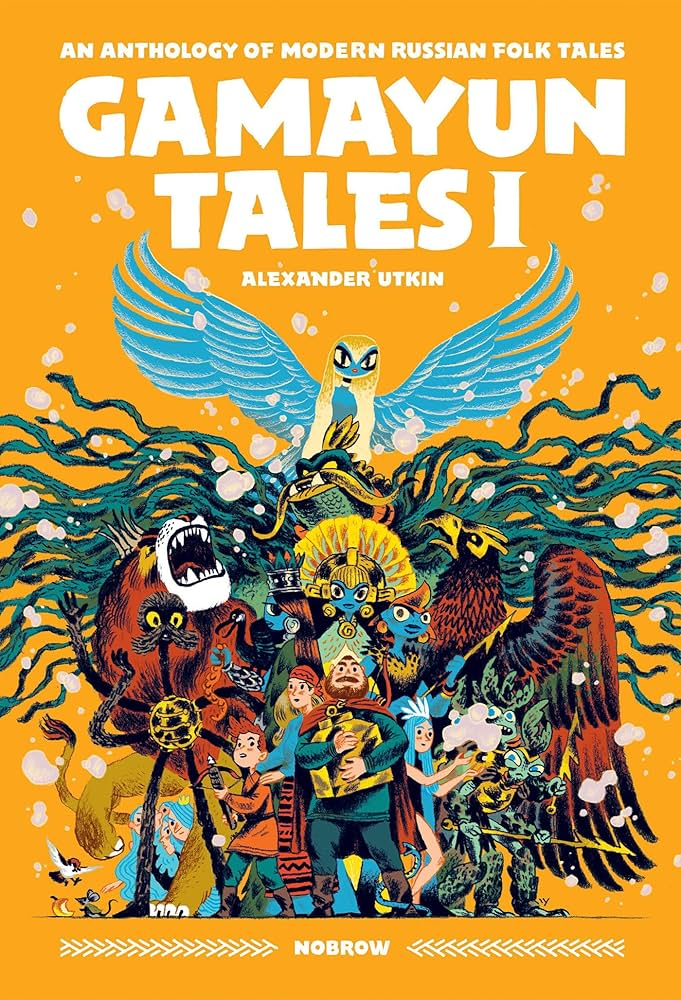
Gamayun Tales I (2020), by Alexander Utkin, translated by Lada Morozova. This whole series by Utkin is absolutely stunning. (Fun fact: Utkin is from the Russian word for duck) It’s a beautiful graphic novel of Russian tales and there’s a whole series of five from Nobrow/Flying Eye books, so the illustrations and the paper they’re printed on are gorgeous.
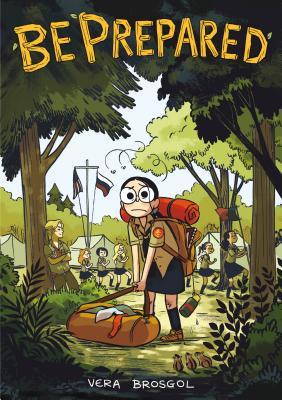
Vera Brosgol‘s Be Prepared (2018) might be my favorite graphic novel. A young girl goes to Russian summer camp where speaking Russian is necessary (even though she struggles with it) and all the other girls are blonde and perfect. Of course, there’s a boy she has a crush on and a few embarrassing moments, but it’s infused with Russian immigrant culture. Having lived in Russia for a few years before I read it, I remember laughing so hard I was crying. The book has been translated into several other languages, including Arabic (translated by Negar Abbaspour) and Italian (translated by Michele Foschini).
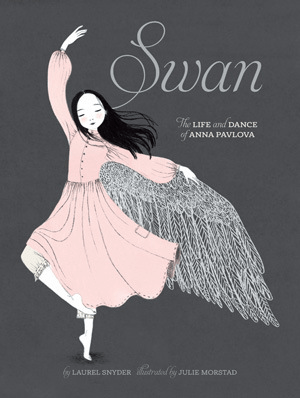
Swan: The Life and Dance of Anna Pavlova (2015) by Laurel Snyder, illustrated by Julie Morstad. This picture book is absolutely beautiful and celebrates one of the features of Russian culture: the ballet. The Russian ballet used a raked stage that made the skill much more challenging to master, and Anna Pavlova worked incredibly hard to hone her technique. She was also a part of the touring company, Ballet Russes, popular in the early 20th century. The book has been translated into several other languages, including French, German, and Chinese.
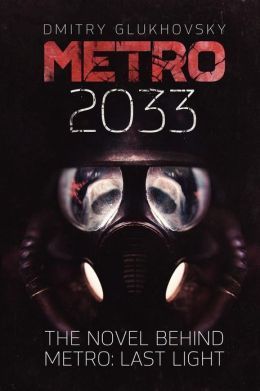
Metro 2033 (2009), written by Dmitry Glukhovsky, and translated by Natasha Randall is dystopian, with a video game tie-in. Set 20 years after a nuclear holocaust world, it follows a group of people live deep underground in the metro. A bit more mature, but would still be appropriate for high school audiences. It has been translated widely. Glukhovsky is outspoken about the war and has long been critical of Russis. He is currently living in exile in Europe due to a threatened prison sentence in Russia.
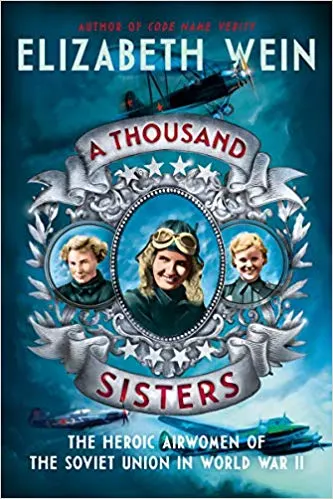
A Thousand Sisters: The Heroic Airwomen of the Soviet Union in World War II (2019) by Elizabeth Wein. There are many books in Russia about the history of WWII. It is a recent history that is consistently brought out in the name of nationalism. This one is a great history of the Night Witches and the female airwomen. The Soviet Union was built on the ideal of equality, and these female soldiers were a way for Stalin to brag about his country’s superiority to the other warring countries.

Symphony for the City of the Dead (2015), by M.T. Anderson. This WWII history centers around the Siege of Leningrad, in what is now St Petersburg, Russia. It was a long and difficult siege led by Hitler that lasted for almost three years. More than just a history of the battle, the book features the composer Shostakovich writing a symphony to enliven the troops and the people of his city in order to last through the long winter. The book has also been translated into Spanish by María Serrano Giménez,
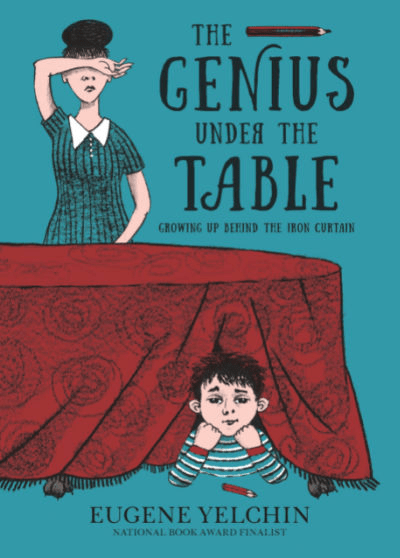
The Genius Under the Table: Growing Up Behind the Iron Curtain (2021), written and illustrated by Eugene Yelchin. This book is also set in what is now St. Petersburg, so it is difficult to assume that this was the reality for most of the people in the Soviet Union. Some of the elements of his tiny shared apartment and the secrecy and racism are universal, though Leningrad had options for entertainment and food that most other Soviet people would only have dreamt of. Yelchin lived this life and it shows. It has also been translated into Estonian by Eve Maur,
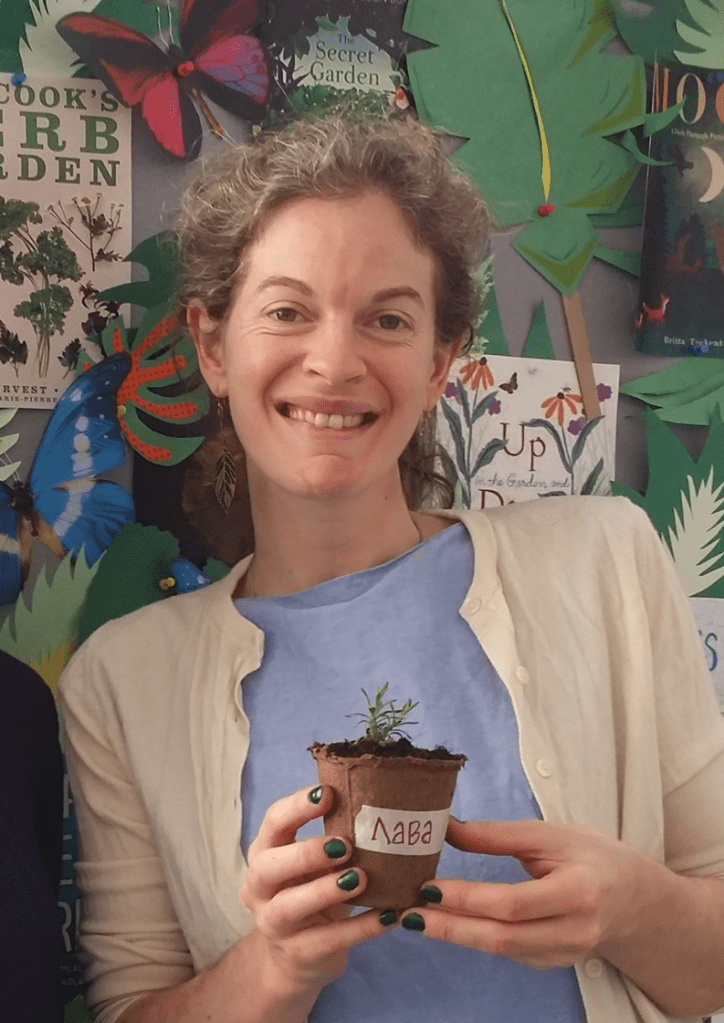
Kelsey Hedrick is a librarian at Jakarta Intercultural School in Indonesia. She has lived and worked in Cambodia, Thailand, and Russia as well. Come back next week to read her recommendations on Ukrainian kid lit!
 Global Literature in Libraries Initiative
2 thoughts on “#WorldKidLit Month 2025: Russian Recommendations”