Today’s post comes to you from Suji DeHart.
European children’s literature takes center stage this September, we’re seeing a vibrant wave of stories from across the continent that blend environmental awareness with emotional depth. These recent works offer authentic voices and local color while nurturing global values.
1. Save Our Forest! by Nora Dåsnes, translated from the Norwegian by Lise Lærdal Bryn. 2024. Ages 10-14.

Bao, a Vietnamese-Norwegian teen, leads a heartfelt, climate-driven protest against deforestation when her school board approves cutting down her beloved forest to build a parking lot. This graphic novel captures ecological anxiety, climate frustration, and youthful activism in a deeply relatable, visually engaging way.
2. Alfies äventyr (Alfie’s Adventure), by Mathilda Gylling and Eva Emmelin, illustrated by Viktoria Åström. 2023. Text in Swedish. Ages 7-10.
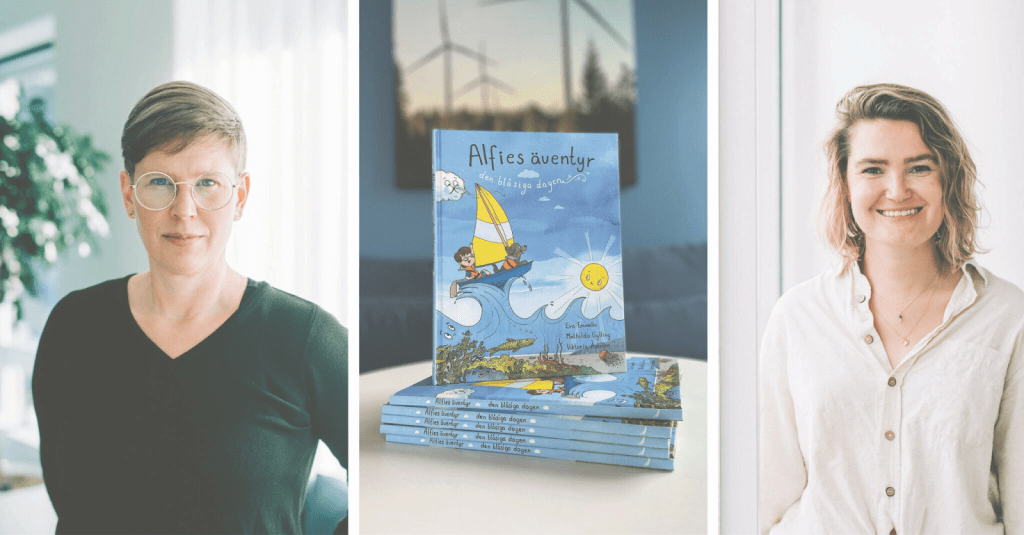
A delightful fairy-tale-like story that introduces young readers to renewable energy using the adventures of a brave dog, Alfie, and a curious friend, Alex. Combining imaginative narrative with an educational appendix, it demystifies wind and solar power and gently fosters environmental stewardship.
3. De Rêves et d’Eau (Of Dreams and Water) — by Heibai & Louyuling Ice. 2015. (Text / audio in French.) Ages 6-8.

An ecological fable in audiobook or streaming format, this tale unfolds in a submerged world where a girl sends her thoughts across the ocean in bottles, ultimately embarking on a luminous journey through endangered landscapes. Its artistic imagination and environmental subtext make it a luminous meditation on global warming and hope.
4. Die Superkräfte der Pflanzen (The Superpowers of Plants) by Anne Scheller, illustrated by Annika Sauerborn, 2022. (Text in German.) Ages 9-12.
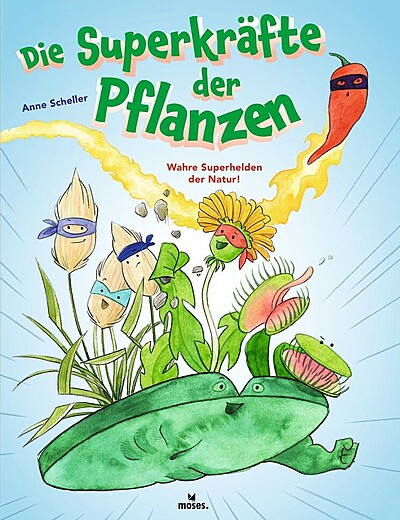
A vibrant nonfiction book for children that brings ecology to life: The Superpowers of Plants showcases the incredible resilience and odd abilities of plants—from invisibility to rock-breaking—offering hands-on experiments and creative projects for readers.
5. The Last Bear by Hannah Gold. 2022. Ages 7-12.

The tale of a young girl’s friendship with a polar bear. An other-worldly landscape and one of the wildest creatures of all, brought up close and personal, in this thrilling, kind story, with more than a touch of magic. Will have readers roaring for action for the plight of the polar bears, and considering what changes they can make in their own lives, to make a difference. The sequel Finding Bear is available for anyone wishing to continue with April and Bear’s adventures.
Why These Books Matter
- Geographic and cultural diversity: Norway, Sweden, France, and Germany—each with unique environmental stories and storytelling traditions.
- Varied formats: From graphic novels and picture books to audio fables and illustrated nonfiction—appealing across literacy levels and learning styles.
- Balanced tone: These books blend soft activism, curiosity, and hope—eschewing doom-laden narratives in favor of empowerment and wonder.
- Emotional resonance: Characters like Bao or dream-like narratives like De rêves et d’eau invite empathy and reflection, grounding ecological themes in human experience.
As September’s spotlight on European children’s literature unfolds, these titles are wonderful ambassadors for libraries and classrooms: nurturing environmental imagination and emotional maturity in young readers.
Bibliography
- Dåsnes, N. (2024). Save our Forest! (Graphic novel). Cappelen Damm.
- Eolus Vind AB. (2023). Alfie’s adventure – The Windy Day. Eolus Vind.
- Laurens, A. (2023). De rêves et d’eau [Of Dreams and Water]. Storyplayr.
- Scheller, A (2022). The Superpowers of Plants. Beltz & Gelberg.
- Schubert, D., & Mennen, A. (2022). The Diversity of Nature. Beltz & Gelberg.

Suji DeHart has been a librarian, service coordinator and international educator for the past 20 years. She co-founded Make A Difference Courses, a social enterprise whose mission it is to train and mentor students to tell stories that make the world a better place via short documentary films. Suji is the mother of two young men and thinks constantly about what kind of world we are leaving for them. She believes that simplicity and having the sense of “enough” are powerful paths on which to walk more joyfully and ecologically. Her background as a librarian informs her work in changemaking.
 Global Literature in Libraries Initiative
One thought on “#WorldKidLit Month 2025: Eco-Conscious Children’s Books Across Europe”