Welcome to day two of #WorldKidLit month on GLLI. Today, Stephanie Roelling introduces some of her favorite children’s books in Scots and Gaelic.
“Dinna fash yersel.”
It’s a phrase many Scots will recognise: a gentle nudge not to worry, not to fret. It’s also the kind of playful, musical language that has found new life in children’s literature. Scots and Gaelic—two of Scotland’s most widely known heritage languages—are stepping back into the limelight through picture books, board books, and translations of well-loved tales.
The resurgence of Scots and Gaelic in kids’ books feels both radical and restorative. These languages aren’t just modes of communication; they are vessels of culture, identity, and imagination. And when children encounter their mother tongue—or discover a new one—woven into the stories they love, something magical happens: words become windows into worlds, both old and new.
For centuries, Scots and Gaelic thrived in oral storytelling. From the lilting ballads sung in Gaelic across the Highlands and Islands to the rhymes and riddles of Scots in Lowland kitchens, these languages carried history, humour, and heart. But the written record has often been patchy, shaped as much by suppression as by celebration.
Government policies from the 18th century onwards pushed English as the language of education, commerce, and social mobility. Children were discouraged—even punished—for speaking Scots or Gaelic in schools. Over generations, this chipped away at confidence in using these languages publicly, and books for children overwhelmingly appeared in English.
Language builds identity and pride. When a child hears the words their granny uses to scold or soothe woven into a book, they feel seen. The rhythms of home gain legitimacy in the pages of print, affirming that their way of speaking is valuable and worthy of celebration.
Scots and Gaelic also make reading fun. Both languages are inherently musical—rich with rhyme, alliteration, and onomatopoeia. For children, that sense of play is irresistible. A Scots story isn’t just read; it’s performed. A Gaelic rhyme isn’t just heard; it’s felt in the melody.
Finally, exposure to Scots and Gaelic promotes linguistic diversity and awareness. Even for children outside Scotland, encountering these languages opens up curiosity about difference. They learn that English isn’t the only way to tell a story, and that each language carries its own worldview, humour, and history.
Of course, this revival is not without challenges. One concern is accessibility. For non-speakers, Scots and Gaelic can look intimidating on the page. Will readers be left out if they can’t follow every word? Some educators also worry that teaching in or about these languages takes up space in an already crowded curriculum.
Yet, many argue that encountering an unfamiliar word is part of the joy of reading. After all, English children don’t bat an eye at learning “Hogwarts” terminology. Why not embrace a “blether” or a “wee moose” the same way?
The revival of Scots and Gaelic in children’s literature thrives when adults champion it. Parents, teachers, and librarians can play a vital role by weaving these books into daily routines and classroom life.
Recommended Reads by Age Group
Note: This list is focused on titles in Scots and Gaelic, but many are translations to or from English-language books, and links to those titles have been included as well. Enjoy!
Toddlers:

Faodaidh teaghlaichean (2024) / Sometimes Families… (2024), written and illustrated by Charlotte Trounce
Early readers:
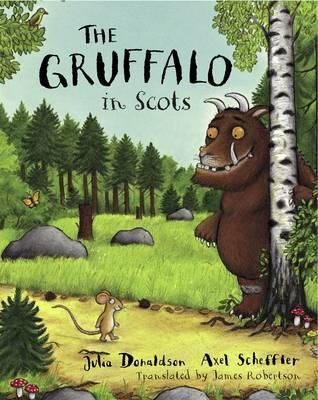
The Gruffalo in Scots (2012), written by Julia Donaldson illustrated by Axel Scheffler, translated by James Robertson / The Gruffalo (1999) written by Julia Donaldson, illustrated by Axel Scheffler
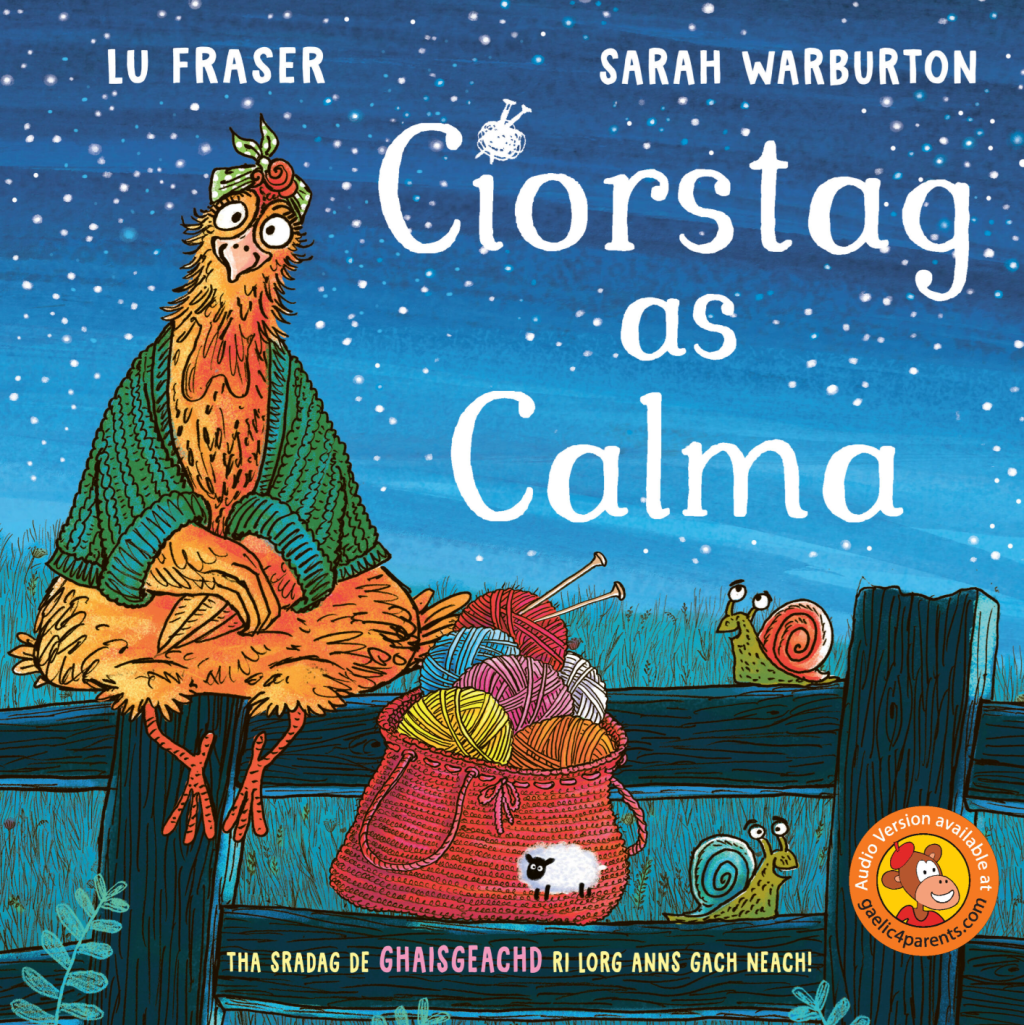
Ciorstag as Calma (2024), written by Lu Fraser, illustrated by Sarah Warburton / Mavis the Bravest (2023), written by Lu Fraser, illustrated by Sarah Warburton
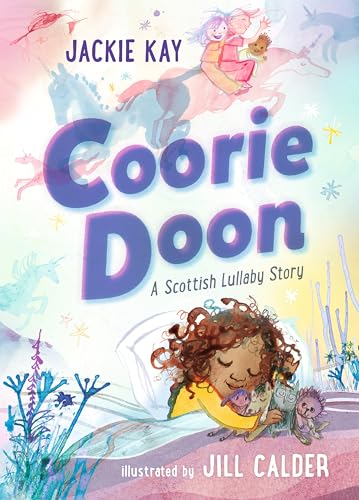
Coorie Doon: A Scottish Lullaby Story (2025), written by Jackie Kay, illustrated by Jill Calder
Older children:
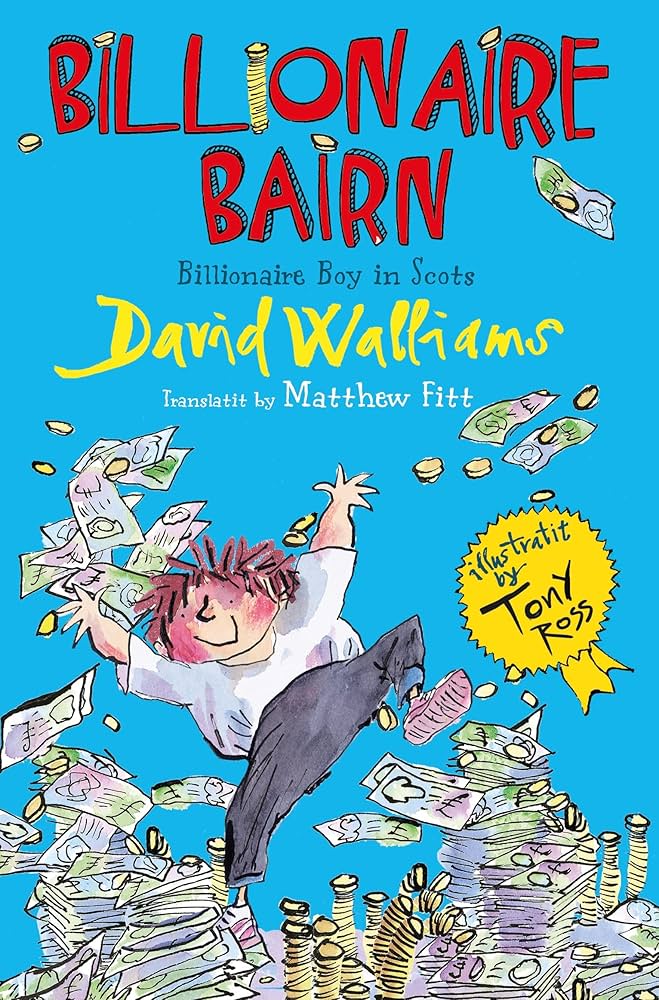
Billionaire Bairn: Billionaire Boy in Scots (2010), written by David Walliams, illustrated by Tony Ross, translated by Matthew Fitt / Billionaire Boy (2010), written by David Walliams, illustrated by Tony Ross
Additional Resources
- Itchy Coo: for a wide catalogue of Scots titles
- Scottish Book Trust: which supports reading across all age groups
- Scots Language Centre: links to publishers and educational materials for and in the Scots language
And here’s the key: you don’t need to be fluent. Reading aloud in Scots or Gaelic can be a shared learning journey. Pronunciation guides, online audio clips, and community events help parents and educators grow alongside their children. Even stumbling through a Scots rhyme with a laugh shows children that their language is worth trying. The resurgence of Scots and Gaelic in children’s literature is about more than words. It’s about giving children stories that sound like home, while also opening doors to heritage and identity that might otherwise fade.
Because when a bairn sees their ain words in a book, they don’t just see text. They see themselves.

Stephanie Roelling is a Libraries Operations Lead in Angus, Scotland, where she oversees library services with a focus on innovation, access, and community engagement. She holds an MLIS from San José State University and brings extensive international experience, having served as a Teacher Librarian in Ecuador, China, Mexico, and the United States. Her professional expertise lies in digital literacy and collection development, and she is committed to helping diverse communities navigate information landscapes in both physical and digital spaces. She has led library initiatives that promote equitable access to resources and foster a love of lifelong learning. Beyond her professional work, she is deeply interested in language and culture and is currently learning Scots, which is her fourth language.
 Global Literature in Libraries Initiative
One thought on “#WorldKidLit Month 2025: Wee Words and Big Stories – How Scots and Gaelic Are Making a Comeback in Kids’ Books”