Written by Brenda Brusegard
When I arrived in Ecuador for my first international teaching position, I made a startling discovery. Out of 25,000 books in the secondary school library, only a couple thousand were in Spanish.
This wasn’t just a fluke. Our Ecuadorian students, learning English from a young age, gravitated toward reading books in their original language, just as many of us prefer films in their original format. But the real issue wasn’t just preference, it was access. Quality Spanish-language books were hard to find locally. Bookstores were few and far between, and most carried popular English titles translated into Spanish. Even more telling was the trend I noticed. Many acclaimed Latin American authors had moved abroad, often writing in English and only later having their work translated back into Spanish.
In contrast, my next six years in India painted a completely different picture. Books were everywhere, affordable, multilingual, and widely available. Street vendors sold them on corners and even at stoplights, stacked high with the latest bestsellers in English and Hindi. The accessibility and enthusiasm for reading were palpable.
Now that I’ve returned to Latin America, this time in Panama, I’m seeing echoes of my experience in Ecuador. Bookstores are limited, and the books that are available come with a hefty price tag (though after living in India, most things feel expensive).
These experiences highlight a larger issue: a persistent gap in translated literature that limits the global visibility of Latin American voices, especially in the YA genre.
The Translation Gap: Why It Matters
The limited availability of translated Latin American YA literature raises an important question: whose stories get told, and whose voices get heard? Several key factors contribute to this gap:
- Publishing Infrastructure: Many Latin American countries lack robust publishing ecosystems compared to the U.S. and Europe.
- Market Perception: International publishers often underestimate reader interest in authentic Latin American narratives.
- Author Migration: Many Latin American authors gain recognition only after moving to the U.S. or Europe, where they often write in English.
- Access & Affordability: Books remain expensive in many parts of Latin America, and public libraries are not always well-resourced.
A Glimpse Into the Future
The future of Latin American YA in translation depends on our collective willingness to remove the barriers that have long limited its reach. We can:
- Advocate for more translations by and for Latinx communities.
- Support independent and regional publishers in Latin America.
- Embrace technology that makes translation and publishing more accessible.
One organization leading the way is Latinx in Publishing, which highlights new releases, promotes author visibility, and builds a stronger literary community.
Could AI Help Close the Gap?
It’s a complicated conversation, but one worth having. Translation is an art, and human nuance is vital. Yet translation is also time-consuming and expensive. Most translated books come with a higher price tag for this reason.
What if, in the near future, professional translators could use AI trained in their own style to speed up the process without sacrificing quality? Imagine if a translator who typically completes one book for $5,000 could use AI to produce two equally nuanced translations in the same amount of time. That could open the door for more Latin American authors to reach global readers without compromising their voice.
We’re not there yet, but it’s worth watching.
Where to Start: 3 Must-Read Anthologies
If you’re ready to explore the richness of Latinx culture through YA literature, these three anthologies are a perfect place to begin. Each one offers a powerful window into the voices, stories, and mythologies that define the Latinx experience.

Relit: 16 Latinx Remixes of Classic Stories (2024), edited by Sandra Proudman, this vibrant YA anthology reimagines literary classics like Frankenstein and Pride and Prejudice through a Latinx lens, blending fantasy, sci-fi, and cultural heritage. A must-read for fans of clever retellings and rich cultural storytelling. This would be a great book to tie in with other similar style books from other regions such as A Thousand Beginnings and Endings (2018), edited by Ellen Oh, which featured remixes for East and South Asia.
You can buy a copy of Relit here or find it in a library here. (Book purchases made via our affiliate link may earn GLLI a small commission.)
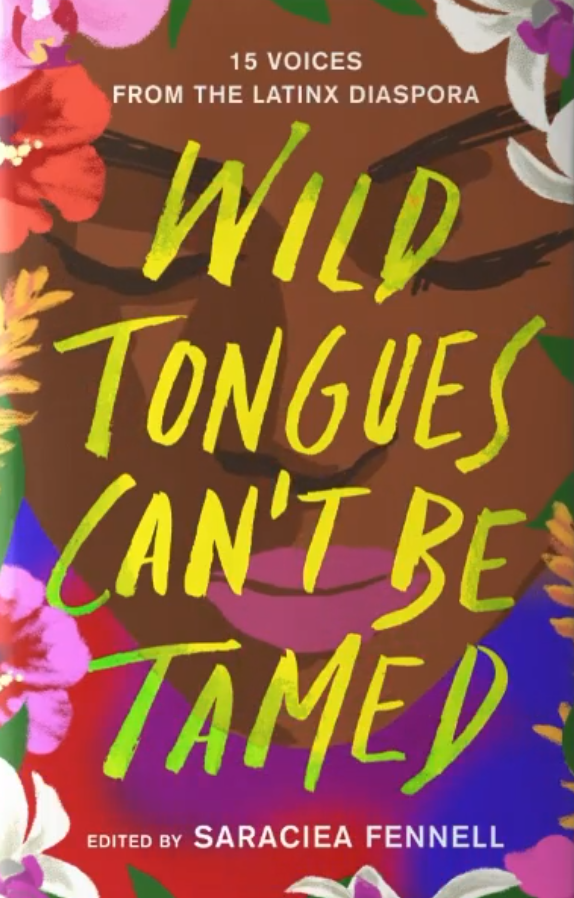
Wild Tongues Can’t Be Tamed (2021), edited by Saraciea J. Fennell, this powerful collection of essays and poems dives into identity, language, colorism, and diaspora. Featuring writers like Elizabeth Acevedo and Ibi Zoboi, it’s an unflinching, honest celebration of Latinx identity and resilience.
You can buy a copy of the book here or find it in a library here. (Book purchases made via our affiliate link may earn GLLI a small commission.)

Our Shadows Have Claws: 15 Latin American Monster Stories (2022), edited by Yamile Saied Méndez and Amparo Ortiz, this spine-tingling anthology reimagines folklore through stories of vampires, shapeshifters, and witches. It pairs thrilling horror with deep cultural resonance, perfect for teens and fans of dark mythology.
You can buy a copy of the book here or find it in a library here. (Book purchases made via our affiliate link may earn GLLI a small commission.)
Final Thoughts
As readers, educators, and global citizens, we have a role to play in amplifying underrepresented voices, especially in youth literature. Exploring Latinx anthologies is more than a literary journey; it’s a bridge into cultures, histories, and perspectives that deserve to be seen and celebrated. Let’s keep pushing for broader access, deeper representation, and richer storytelling for the next generation of readers.

Brenda Brusegard is a librarian with over 15 years of experience in education spanning three continents. As a former Director of Libraries at international schools in Ecuador and India, she has championed diverse literature collections and digital literacy initiatives that connect students with global perspectives. Brenda is passionate about empowering readers to explore worlds beyond their own through thoughtfully curated collections that represent varied cultural experiences. When not advocating for libraries, she helps businesses streamline their technology systems through her consultancy, Informed Tech Solutions. Connect with her on LinkedIn or at informedtech.io.
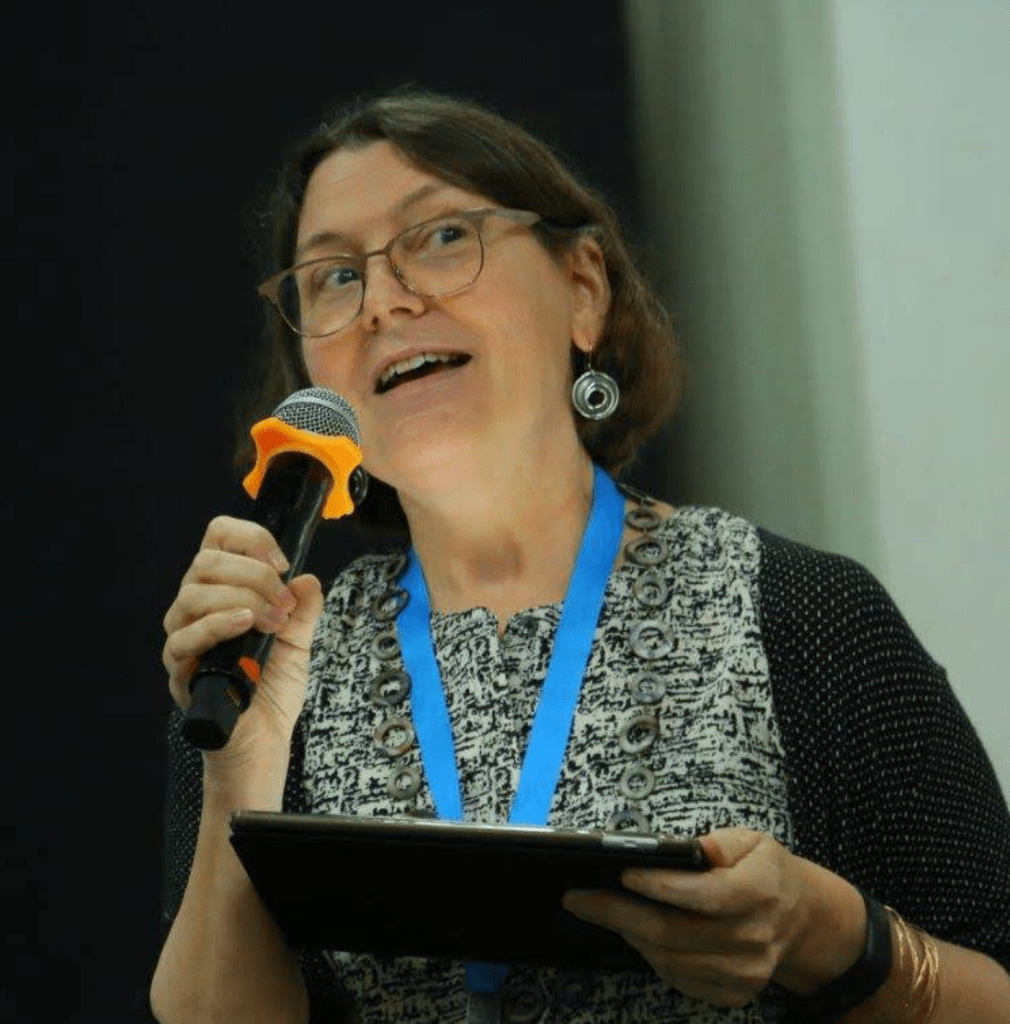
Katie Day is an international school teacher-librarian in Singapore and has been an American expatriate for almost 40 years (most of those in Asia). She is currently the chair of the 2025 GLLI Translated YA Book Prize and co-chair of the Neev Book Award in India, as well as heavily involved with the Singapore Red Dot Book Awards. Katie was the guest curator on the GLLI blog for the UN #SDGLitMonth in March 2021 and guest co-curator for #IndiaKidLitMonth in September 2022.
 Global Literature in Libraries Initiative
One thought on “#INTYALITMONTH: Bridging Worlds: The Translation Gap in Latin American YA Literature”