Written by Jane Hayes
In the wake of a global pandemic that reshaped the emotional landscape of young people, the need for healing spaces in schools has never been more urgent. For many teens, books have long served as quiet companions — offering solace, understanding, and a sense of belonging. Bibliotherapy, the practice of using literature to support mental and emotional wellbeing, is gaining renewed attention as educators and librarians seek meaningful ways to support students.
Young Adult (YA) literature, with its emotional honesty and relatability, is uniquely positioned to help teens navigate the complexities of adolescence. When these stories come from diverse cultural backgrounds – translated from languages around the world – they not only validate personal experiences but also expand readers’ empathy and global awareness. This article explores the role of bibliotherapy in the context of international YA literature, highlighting how stories from across the globe can help young readers heal, grow, and connect.
What Is Bibliotherapy?
At its core, bibliotherapy is the use of books to support emotional healing and personal growth. It can be clinical- used by therapists – or developmental, practiced in schools and libraries to help readers navigate life’s challenges. The process typically unfolds in four key stages:
1. Identification – Readers see themselves in characters or situations.
2. Catharsis – Emotional release occurs through the story’s events.
3. Insight – Readers gain new understanding of their own experiences.
4. Universalisation – They recognize their struggles as part of the broader human condition.
These stages mirror Aristotle’s classical elements of a good story: pity, fear, and catharsis. In Poetics, Aristotle argued that tragedy evokes pity and fear to purge these emotions – a process that aligns beautifully with bibliotherapy. YA literature, especially when emotionally resonant and culturally diverse, can guide readers through this same arc of emotional transformation.
Why International YA Literature?
International YA literature offers more than just diverse settings and characters – it provides mirrors, windows, and sliding glass doors (Bishop,1990). These stories allow teens to:
- See themselves reflected in characters (mirrors)
- Understand others through different cultural lenses (windows)
- Step into new worlds and perspectives (sliding glass doors)
Translated works, in particular, offer a powerful opportunity for readers to connect with universal themes – grief, identity, resilience while also appreciating cultural nuance. This duality enhances both empathy and self-awareness, key outcomes of bibliotherapy.
Some Current International YA Titles for Bibliotherapeutic Use
Identification – “I see myself in this story.”
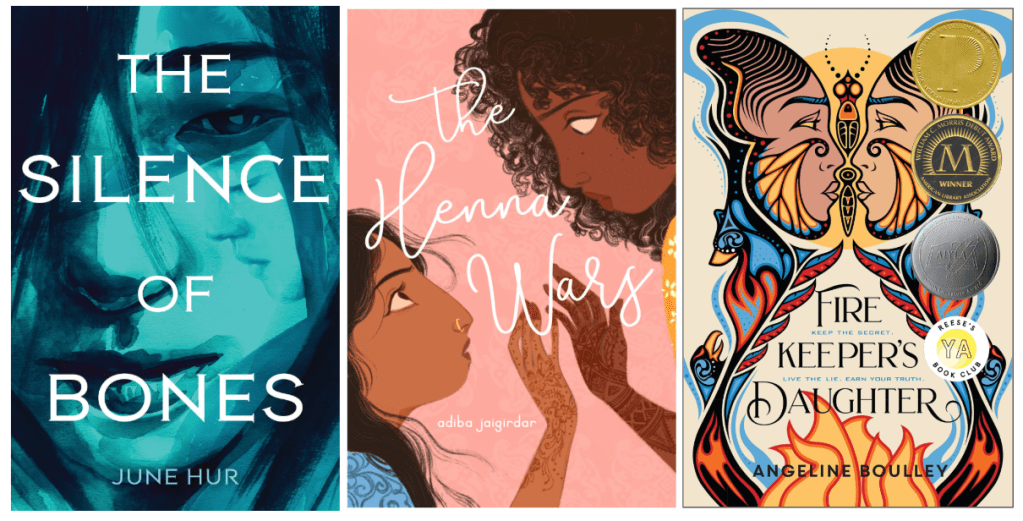
- The Silence of Bones (2021) by June Hur (South Korea/Canada)
A historical mystery where a young girl navigates loyalty, justice, and identity in 1800s Korea.
- The Henna Wars (2020) by Adiba Jaigirdar (Bangladesh/Ireland)
A queer Muslim teen grapples with cultural expectations and self-expression.
- Firekeeper’s Daughter (2021) by Angeline Boulley (Anishinaabe, USA)
A thriller that helps readers reflect on identity and heritage.
Catharsis – “This book lets me feel what I’ve been holding in.”
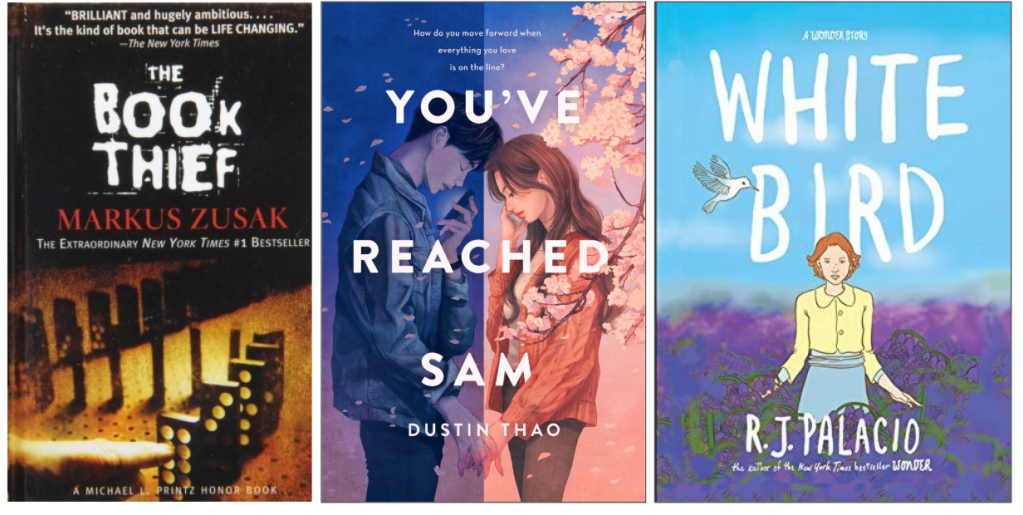
- The Book Thief (2005) by Markus Zusak (Germany/Australia)
A powerful narrative of loss and love during WWII, narrated by Death.
- You’ve Reached Sam (2021) by Dustin Thao (Vietnamese-American)
A tender exploration of grief and letting go, with a magical realism twist.
- White Bird (2019) by R.J. Palacio (USA/France)
A poignant graphic novel about hiding during Nazi occupation.
Insight – “Now I understand something new about myself.”
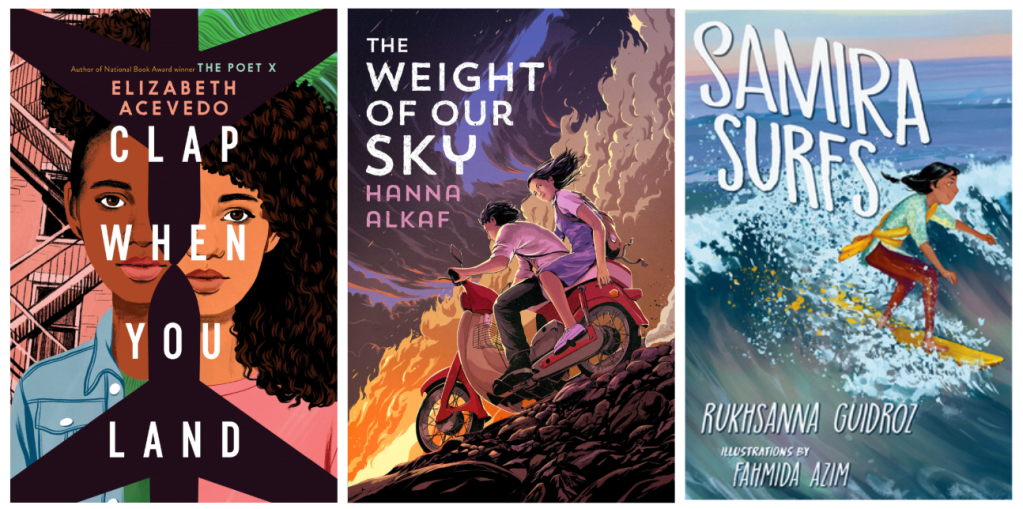
- Clap When You Land (2020) by Elizabeth Acevedo (Dominican-American)
Two sisters discover each other after a tragedy, learning about family, secrets, and resilience.
- The Weight of Our Sky (2019) by Hanna Alkaf (Malaysia)
Set during the 1969 Kuala Lumpur riots, this novel explores mental illness and survival.
- Samira Surfs (2021) by Rukhsanna Guidroz (Bangladesh/USA)
A refugee girl finds healing through surfing and sisterhood.
Universalisation – “I am not alone others feel this too.”
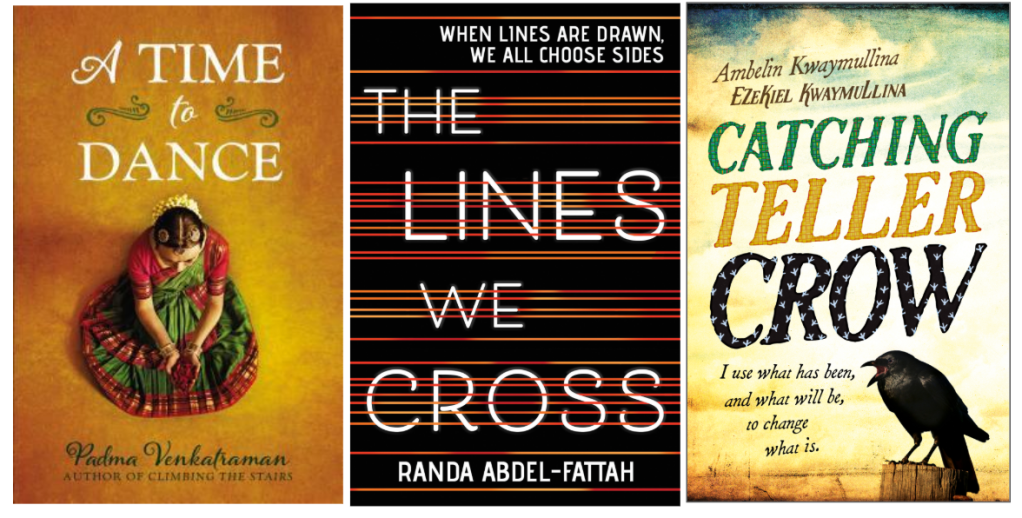
- Time to Dance (2014) by Padma Venkatraman (2014) (India/USA)
A verse novel about a young dancer’s journey through disability and self-discovery.
- The Lines We Cross (2016) by Randa Abdel-Fattah (Australia/Lebanon/Palestine)
Teens from opposing cultural backgrounds navigate bigotry and love.
- Catching Teller Crow [original Australian title] (2018)/ The Things She’s Seen [American title] – by Ambelin and Ezekiel Kwaymullina (Australia, Indigenous authors)
A haunting, lyrical story that blends mystery with themes of trauma and truth.
Bibliotherapy in the School Library
School libraries are uniquely positioned to support bibliotherapy. As safe, inclusive spaces, they offer:
- Curated collections that reflect diverse experiences
- Readers advisory services tailored to emotional needs
- Collaboration with counsellors and teachers to support wellbeing
By integrating bibliotherapy into library programming – through such things as book clubs, themed displays, quiet reading corners etc. – librarians can help students process emotions, build empathy, and feel less alone.
Challenges and Considerations
While bibliotherapy is powerful, it is not a panacea. It should not replace professional mental health support. Librarians must be mindful of:
- Reader readiness – not all students are ready to confront certain themes.
- Cultural sensitivity – stories must be chosen with care and context.
- Boundaries – librarians are not therapists, but facilitators of safe reading experiences.
Conclusion
Stories have always been a source of healing. In today’s world, where teens face unprecedented emotional challenges, international YA literature offers a bridge – between cultures, between hearts, and between the self and the world. Through the lens of bibliotherapy, these stories become more than entertainment; they become tools for transformation.
As school librarians, we have the opportunity – and arguably, the responsibility – to guide students toward books that don’t just inform but heal. Because sometimes, the right story at the right time can change everything.
Reference
Bishop R. (1990). Mirrors, windows, and sliding glass doors. In Perspectives: Choosing and using books for the classroom (Vo. 6, No. 3). Ohio State University. https://scenicregional.org/wp-content/uploads/2017/08/Mirrors-Windows-and-Sliding-Glass-Doors.pdf
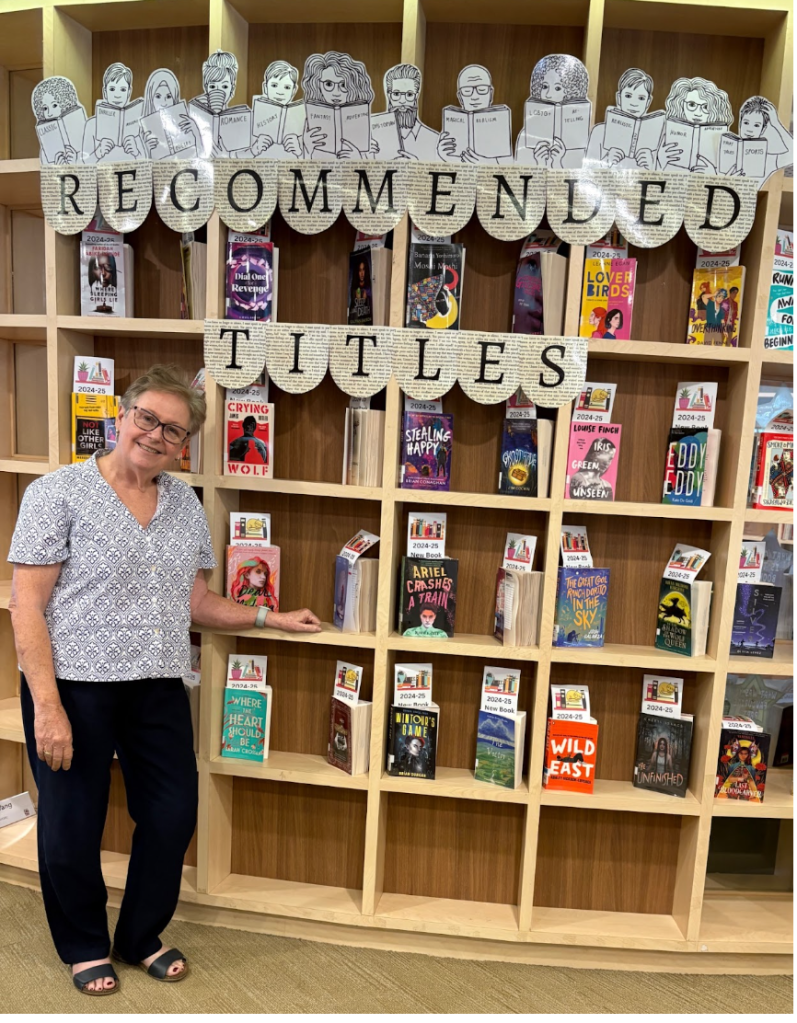
Jane Hayes is the Co-Director of Libraries at Dulwich College Singapore, where she works in the Senior School and IB Libraries alongside a dedicated team to create welcoming, inspiring spaces for all. Her background spans teaching, leadership, and curriculum design, and she is passionate about helping students and staff thrive through creative, inclusive library programs. Jane also leads professional learning for the school’s library assistants and plays a key role in fostering strong connections across the school community. Whether rethinking how a library feels or helping someone find the right book at the right time, she believes the library can be the heart of a school.
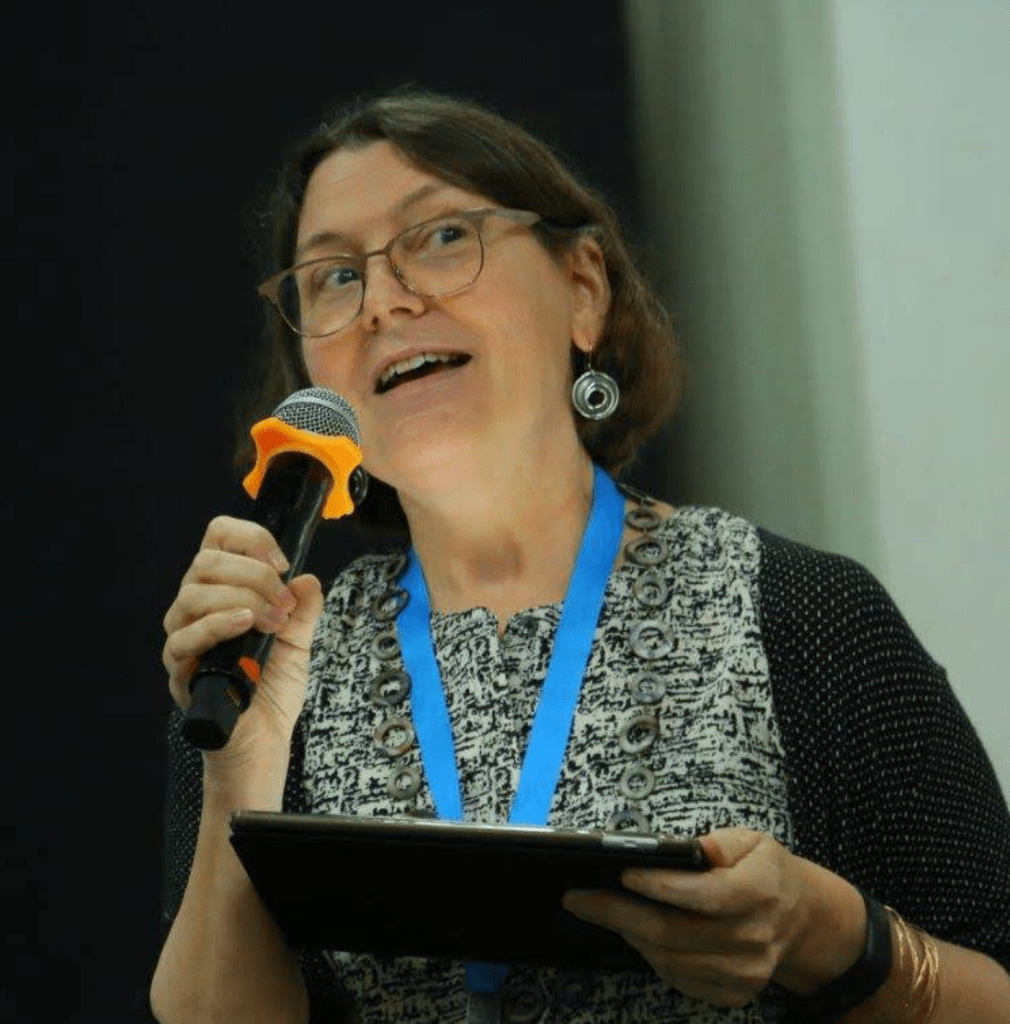
Katie Day is an international school teacher-librarian in Singapore and has been an American expatriate for almost 40 years (most of those in Asia). She is currently the chair of the 2025 GLLI Translated YA Book Prize and co-chair of the Neev Book Award in India, as well as heavily involved with the Singapore Red Dot Book Awards. Katie was the guest curator on the GLLI blog for the UN #SDGLitMonth in March 2021 and guest co-curator for #IndiaKidLitMonth in September 2022.
 Global Literature in Libraries Initiative
One thought on “#INTYALITMONTH: Healing Through Stories: The Role of Bibliotherapy in International Young Adult Literature”