
The Open-minded attribute of the International Baccalaureate (IB) Learner Profile is all about embracing diversity and being open to new perspectives. In today’s interconnected world, open-mindedness plays a vital role in helping students become internationally minded individuals who understand and appreciate cultures, values, and ideas different from their own. This quality encourages learners to actively seek out diverse viewpoints, consider them thoughtfully, and grow from their experiences. It’s about being receptive to the richness of other cultures while also staying grounded in your own.
Open-minded students not only value cultural appreciation but also develop the ability to evaluate ideas critically and engage with challenges as opportunities for learning. Whether it’s in discussions, group projects, or personal reflection, the skills that come from being open-minded empower students to collaborate effectively, respond to feedback positively, and celebrate the uniqueness of others.
In this blog post, we’ll explore through picture books which serve as powerful tools for nurturing open-mindedness, giving learners the chance to engage with different cultures, perspectives, and experiences in meaningful ways. Let’s dive into the world of stories that inspire empathy, critical thinking, and a deep appreciation for the world’s diversity!
Tomatos in my Lunchbox by Costantia Manoli
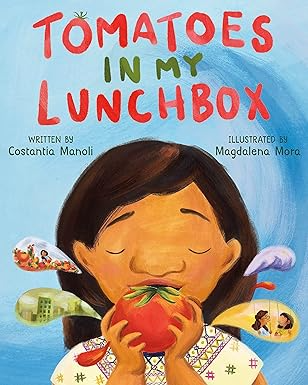
A young girl who has recently moved to a new country, struggles with feeling out of place due to her unique name and the unfamiliarity of her lunch—just a whole tomato. This seemingly small detail becomes a powerful symbol of her cultural identity, making her feel different and, at times, isolated.
As the story unfolds, the she begins to connect with Chloe, a classmate who initially doesn’t understand the significance of the tomato in her lunchbox. Through their growing friendship, Chloe learns to appreciate the cultural background behind the tomato, and in turn, the girl becomes more comfortable in her own skin. This shift highlights the core of open-mindedness: the ability to appreciate one’s own identity while being receptive to the experiences and traditions of others.
The way Chloe opens her mind to new perspectives is a perfect example of the value of cultural appreciation. Both girls demonstrate empathy and willingness to learn as they navigate the complexities of cultural differences, fostering a sense of mutual respect and understanding. Their friendship blossoms through their critical evaluation of each other’s backgrounds, leading to deeper connections and a broader view of the world around them.
This book is a celebration of embracing diversity and learning from others. This story echoes with the idea that open-minded learners are not only aware of different cultures but are also actively open to understanding and incorporating new viewpoints into their lives. It encourages children to be open to new ideas, perspectives, and experiences.
Written by Costantia Manoli, Illustrated by Magdalena Mora
2022, Roaring Brook Press
ISBN: 9781250763129
The Cat Way by Sara Lundberg
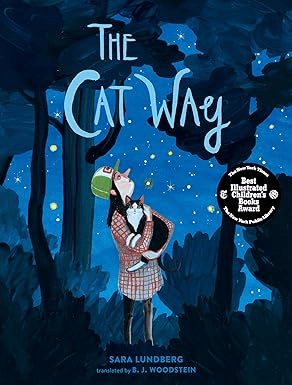
In a household with our paws-itively adorable duo, this is a delightful and thought-provoking picture book. The author invites readers of all ages to reflect on the importance of perspective, compromise, and learning to embrace new experiences. With its watercolor and gouache illustrations, The Cat Way not only enchants with its stunning visuals but also offers an invaluable lesson about understanding and navigating differences.
The story follows a cat and its human who, during their usual daily walk, swap roles: for once, the human follows the cat. As the cat takes the lead, she decides to chase squirrels, climb trees, and stop at every interesting detour. The human, initially frustrated and dismissive of these “ridiculous” distractions, soon realizes that by slowing down and walking at the cat’s pace, they begin to see the world in a completely new light. What seemed unnecessary becomes full of beauty and surprises. This change of perspective echoes the value of open-mindedness, as the human must let go of preconceived ideas and allow themselves to experience the world in a way they never would have considered before.
In my opinion, The Cat Way is about compromise and cooperation—two key components of open-mindedness. The human’s initial resistance to the cat’s approach mirrors the common challenge of stepping outside one’s comfort zone to embrace new viewpoints. Yet, through the act of compromise, they come to appreciate the value of seeing things through the cat’s eyes, experiencing the world differently, and finding joy in what seemed unfamiliar at first. This dynamic fosters a deeper connection between the characters, as they learn to respect each other’s perspective.
The story’s split narrative—presenting both the human’s and the cat’s experiences—further emphasizes the theme of perspective-taking, a key element of open-mindedness. Readers are invited to understand both viewpoints, highlighting how a simple shift in perspective can lead to a deeper understanding and appreciation of the world around us.
Being open-minded means not only accepting different ideas but also being willing to challenge your own, allowing you to grow and discover new possibilities. It’s a story of learning to see beyond your own perspective and embrace the beauty that can be found when you walk in someone else’s shoes—whether that someone is a cat or a person.
Written by Sara Lundberg, #NameTheTranslator B.J. Woodstein
2024, Eerdmans Books for Young Readers
ISBN: 9780802856333
Saffron Ice Cream by Rashin Kheiriyeh
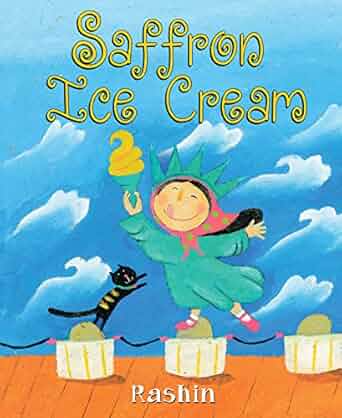
Saffron Ice Cream by Rashin Kheiriyeh is a charming and heartwarming story that explores the delicate balance between embracing one’s cultural heritage and connecting with a new environment. It encourages readers to appreciate their own backgrounds while being open to others.
At the heart of the story is a young girl who is navigating her Iranian heritage while living in a different cultural context, Brooklyn. As she experiences life in a new place, she continues reflecting on her life in a different culture context. The story beautifully showcases cultural reflection, encouraging readers to recognize the significance of their cultural identity while learning to appreciate and celebrate differences.
Throughout the book, the girl learns how to find similarities to bridge differences between her Iranian roots and the culture she is encountering. Her experiences with food, family, and new life highlight the importance of finding common ground, despite the surface-level differences that may exist. Though she misses her saffron ice cream, but she opens up to a new flavor introduced by her new friend. Both girls demonstrate the power of sharing cultural traditions to foster connection and understanding. This act of sharing and being open to new experiences perfectly embodies the open-minded approach to discovering the beauty in what others bring to the table.
Saffron Ice Cream invites readers to explore and reflect on their own cultural identities while embracing the opportunity to learn from the diverse cultures around them. It reminds us that open-mindedness involves not only celebrating one’s own heritage but also welcoming and appreciating the unique experiences of others.
Written by Rashin Kheiriyeh
2018, Arthur A. Levine Books
ISBN: 9781338150520
I Do Not Like Water by Eva Lindström
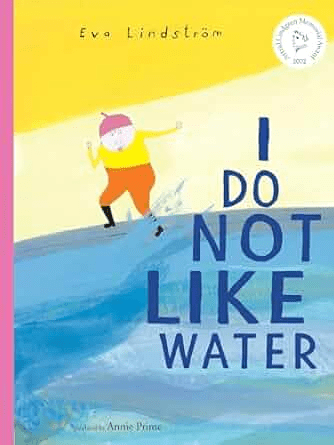
It is a delightful and curious story that explores the process of confronting personal fears and biases. The main character, Alf, begins with a strong reluctance towards water, a fear that many children (and even adults) can relate to. His behavors is a natural response to an unfamiliar or daunting experience, yet the story unfolds as he learns to challenge and confront this fear.
Alf’s relationship with water highlights the importance of challenging assumptions and bias. At the start of the book, he holds a fixed belief that water is something to be avoided, but as he encounters new experiences and learns from those around him, his perspective begins to change. This mirrors the core of the IB Learner Profile’s Open-Minded attribute: the willingness to explore new ideas, question old biases, and see things from different viewpoints.
Alf’s growth throughout the book illustrates growth through experience, a key element in fostering an open-minded approach. As he faces his fear and gradually embraces water, he not only expands his own horizons but also teaches readers the value of trying new things, even when they seem intimidating at first. The book encourages young readers to be receptive to change and new experiences, showing that overcoming personal biases and fears can lead to both personal growth and a greater understanding of the world around them.
Is Alf going to change his mind?
Written by Eva Lindström, #NameTheTranslator Annie Prime
2024, Astra Young Readers
ISBN: 9781662620553
Eleanor Duggan is a passionate children’s book reader, a storytelling enchantress, an aspiring globetrotter, a part-time book crafter, and an impassioned foodie who is a cooking disaster. She is more known as an international school teacher-librarian, Founding Chair of the Toucan Award, and the International Association of School Librarianship (IASL) Regional Director for Latin America and the Caribbean. She is a Taiwanese with a Belgian soul and is currently enjoying her life as a citizen of the world with her daughter and their 2 one-of-a-kind cats. You may find her via The Third Culture Librarian
GLLI Disclaimer: Opinions expressed in posts on this site are the individual author’s and are not indicative of the views of Global Literature in Libraries Initiative.


One thought on “#IBLPKidLit: Open-Minded – Fostering Global Citizens Through Picture Books”