by Richard Dixon
Translation is a solitary pursuit. Our closest work companion is our dictionary. Then, if we’re lucky, we find a group of virtual colleagues to whom we can turn for help.
We translate toward our mother tongue from the language we know best though many of us have few opportunities to meet those who translate “vice versa”, in the other direction. When we do, we discover there’s so much we can learn from each other.
In 1994, a German and a French translator who were friends and colleagues and often discussed the translations on which they were working, thought it would be good to extend the discussion to other colleagues. That was how the first French-German ViceVersa workshop began.
Gabriela Stöckli, Literary Translation & Arts Management of Looren Translation House, near Zurich, Switzerland, explains how it developed from there:
For many years the workshops were just between German and French. But then translators in other language combinations became interested and started German-Russian, German-English, German-Italian, and German to other languages. Each pair always rose out of the professional needs of the translators involved who got together and began something for themselves. For example, a Russian-German translator told me he also translated from Bulgarian and asked whether we could start a ViceVersa workshop for Bulgarian. So the ideas come from the translators’ community itself.
Poland has also hosted ViceVersa in Krakow, and there have been several Russian-German workshops at Tolstoy’s house, which is now also a museum, at Yasnaya Polyana. In South America there have been workshops with German-Spanish and German-Portuguese held in Brazil, Argentina and Mexico, each time with German funding.

How does ViceVersa work? For one week, twelve translators – six who translate from one language and six who translate from the other – meet and exchange ideas on equal terms within a practical context. Each holds a session to discuss several pages from a translation on which they are currently working (and which has not yet been published) and to consider general challenges, specific problems, and possible solutions. The texts can be of any kind – fiction for adults or children, classic or contemporary, graphic novels, non-fiction, theatre or poetry. To make best use of the workshop, all participants must prepare themselves in advance for the discussion of all texts.
Many ViceVersa workshops are held at Looren Translation House while Italian workshops take place at Villa Garbald, in the Italian-speaking Val Bregaglia, on the Swiss-Italian border. They are residential courses and fully funded.
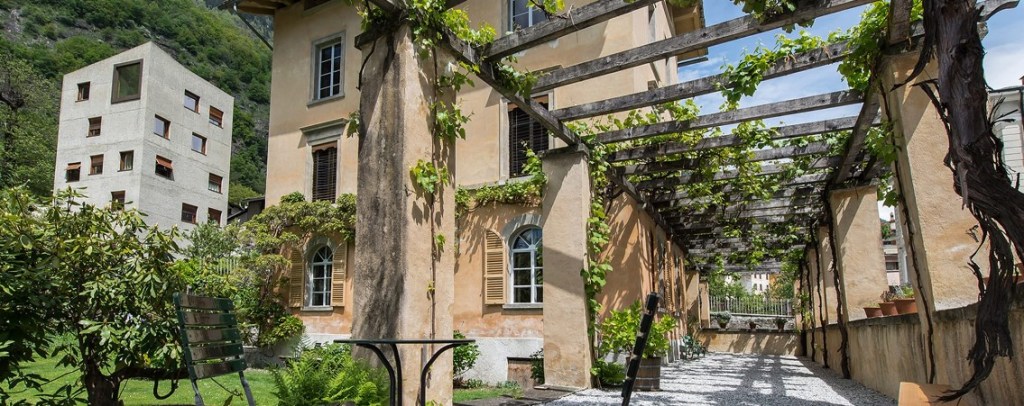
By the end of an extremely intensive week, participants invariably express a profound feeling of professional enrichment which continues through the wealth of friendships and the social media contacts that provide further sustenance. Slowly, what began as an inspired idea between two colleagues is spreading through other parts of Europe, and beyond.
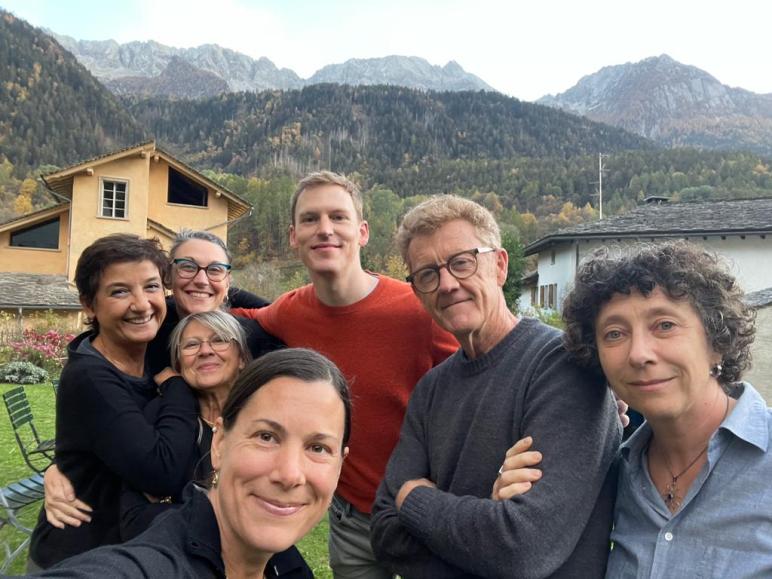
Anna Rusconi and I have moderated three Italian-English ViceVersa workshops, in 2019, 2021 and 2024. Here are just some of the texts we studied together and which were later published.
From English to Italian
- Mrs. Dalloway (La signora Dalloway) by Virginia Woolf, translated by Alba Bariffi (Garzanti, 2019)
- Beer in the Snooker Club (Una birra al circolo del biliardo) by Waguih Ghali, translated by Ada Arduini (Francesco Brioschi Editore, 2019)
- Turbulence (Turbolenza), by David Szalay, translated by Anna Rusconi (Adelphi, 2019)
- The Porpoise (La focena) by Mark Haddon, translated by Monica Pareschi (Einaudi, 2020)
- How to Tame a Fox (and Build a Dog): Visionary Scientists and a Siberian Tale of Jump-Started Evolution (Come addomesticare una volpe) by Lee Alan Dugatkin and Lyudmila Trut, translated by Valentina Marconi (Adelphi, 2022)
- Small Worlds (Piccoli mondi), by Caleb Azumah Nelson, translated by Anna Mioni (Atlantide, 2023)
- Babel, Or the Necessity of Violence (Babel. Una storia Arcana) by Rebecca F. Kuang, translated by Giovanna Scocchera (Mondadori, 2023)
- How to Build a Boat (Come costruire una barca) by Elaine Feeney, translated by Carla Palmieri (Einaudi, 2024)
From Italian to English
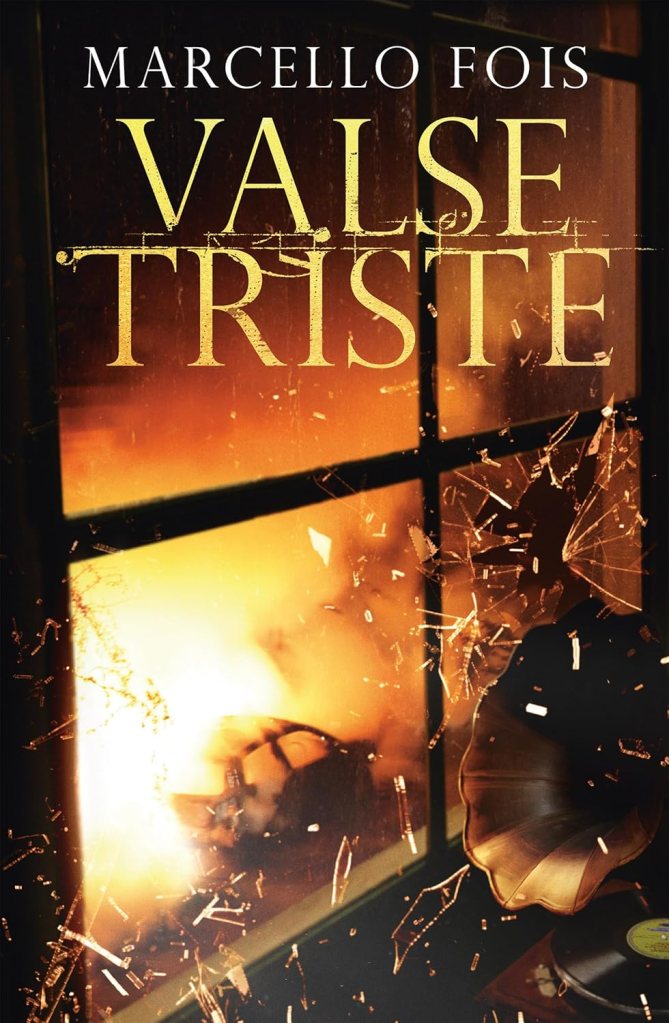
Valse Triste
- by Marcello Fois
- Translated from the Italian by Richard Dixon
- Original title: Del dirsi addio (2017)
- 282 pages
- Publisher: MacLehose Press (2021)
- ISBN 978-0857058843
- Treat your bookshelf to a taste of Italy! Order the book here.

The Unbreakable Heart of Oliva Denaro
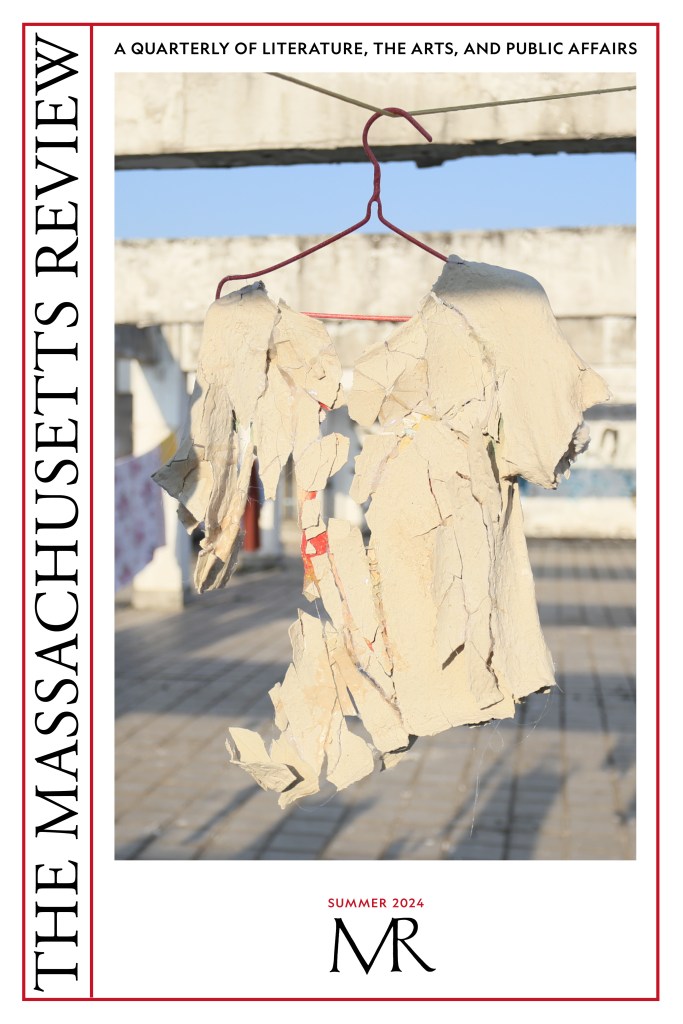
The Big Duck
- by Andrea Inglese
- Translated from the Italian by Johanna Bishop
- Original title: La grande anitra (2013)
- “Five Visions From the Big Duck” published in The Massachusetts Review (Volume 65, Issue 2 – Summer 2024)
- Treat your bookshelf to a taste of Italy! Order the magazine here.

Philosophy of the Home: Domestic Space and Happiness
- by Emanuele Coccia
- Translated from the Italian by Richard Dixon
- Original title: Filosofia della casa. Lo spazio domestico e la felicità (2021)
- 208 pages
- Publisher: Penguin Books (2024)
- ISBN 9781802061017
- Treat your bookshelf to a taste of Italy! Order the book here.
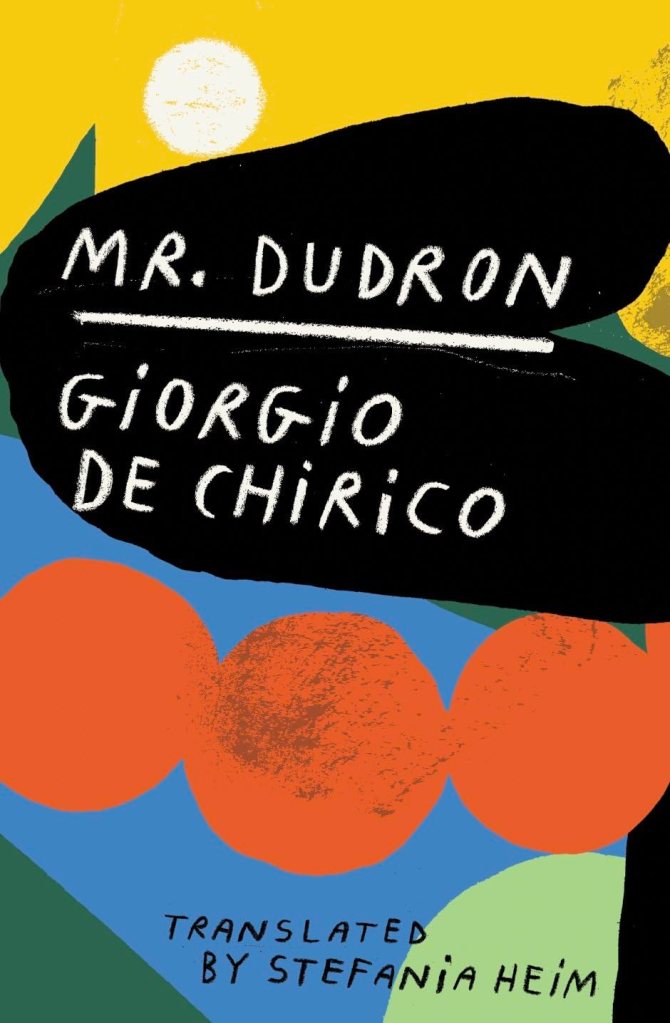
Mr. Dudron
- by Giorgio de Chirico
- Translated from the Italian by Stefania Heim
- Original title: Il signor Dudron (1998)
- A Public Space Books (2024)
- ISBN 978-1736370988
- Forthcoming, on December 10, 2024
- Treat your bookshelf to a taste of Italy! Pre-order the book here.
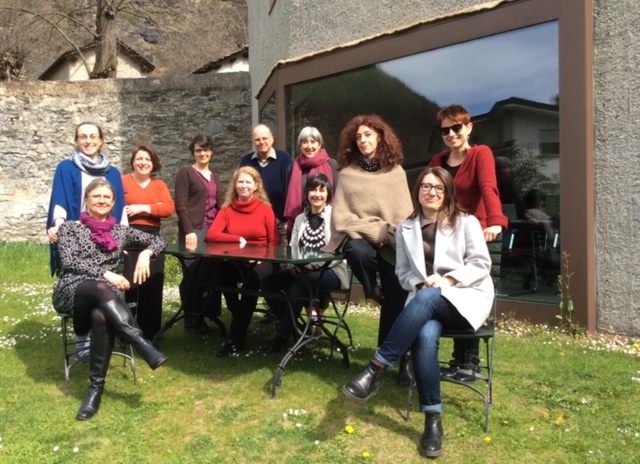
The next ViceVersa Italian-English workshop is due to take place in 2026.
You can find more information about Looren Translation House at: https://looren.net/en
Richard Dixon has published over forty translations including works by Giacomo Leopardi, Umberto Eco, Roberto Calasso, Carlo Emilio Gadda, Paolo Volponi, Antonio Moresco, Stefano Massini and Marcello Fois. His translations of Italian contemporary poets have appeared in numerous publications.
Website: www.write.it
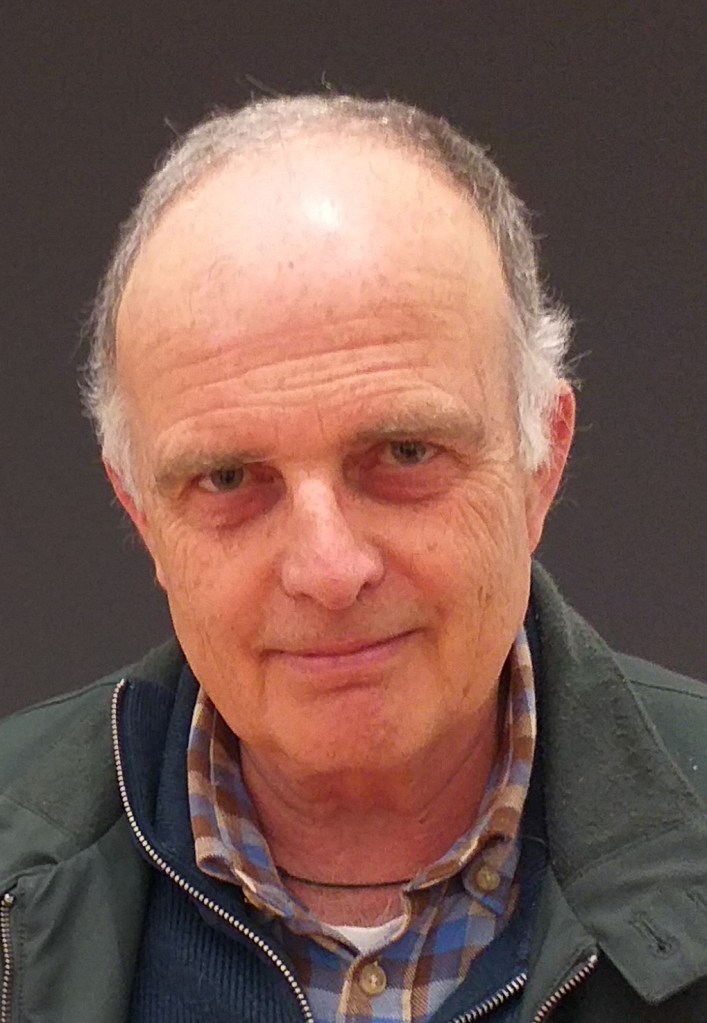

Italian Lit Month’s guest curator, Leah Janeczko, has been an Italian-to-English literary translator for over 25 years. From Chicago, she has lived in Milan since 1991. Follow her on social media @fromtheitalian and read more about her at leahjaneczko.com.
 Global Literature in Libraries Initiative
One thought on “#ItalianLitMonth n.41: Vice Versa: Translators Across the Language Divide”