Today’s post comes to you from DiAnna Pantano
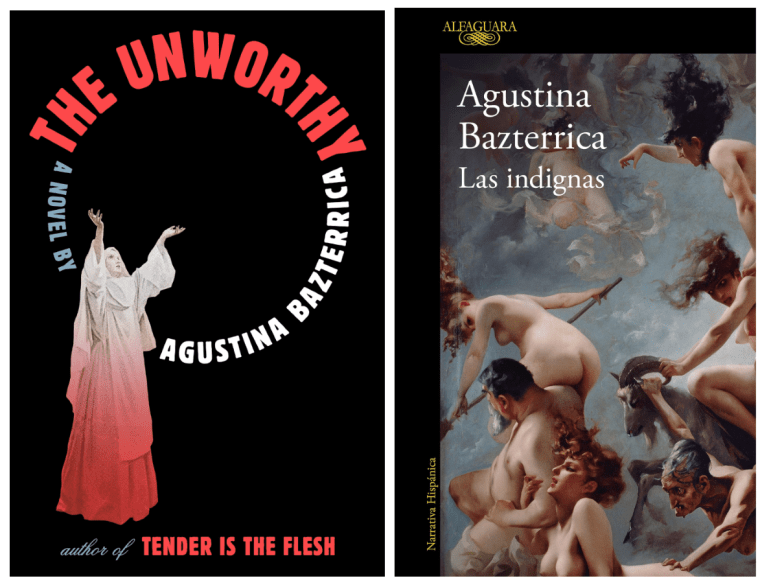
There is something particularly unsettling about the dystopian worlds Agustina Bazterrica creates. Worlds that are close enough to our own to unsettle us, but ambiguous enough that we can never quite pinpoint how, or when, everything went so wrong. The Unworthy follows in the footsteps of Tender Is the Flesh in this respect. We are dropped into a world already transformed and asked not so much to understand how it happened, but to live within it.
In The Unworthy, an unnamed narrator lives within the House of the Sacred Sisterhood, an isolated religious order existing in the aftermath of an implied environmental collapse. Life within the order is governed by hierarchy alongside ritualistic punishment and violence, much of which the women have come to accept as necessary, deserved or even sacred. The narrator secretly records her experiences in writing while navigating the rules of the Sisterhood and her own position within it.
What I find particularly interesting about Bazterrica’s narrator is that her transgressions never quite amount to total resistance. She is too selfish. She writes, steals, lies and conspires, but she is not a revolutionary. She is not secretly working towards dismantling the dystopian system. Her acts of defiance are smaller, private and frequently self-serving. Concealment becomes a means of surviving within the system rather than escaping or overthrowing it.
This concept of concealment is present even in the writing. Throughout the novel, key words and thoughts are visibly struck through, and we see additional internal monologue in brackets. We see not only what the narrator chooses to tell us, but traces of what she has decided she should not say.
“The Superior Sister ordered the servants to shelter the animals (which
we’ve never seen, not near the crops, not in a corral–do they even exist?). She
told them to cover up the few crops we have. (What’s the point of covering up
the crops?)…”
Above she expresses, or rather conceals, her skepticism towards the Sisterhood’s narratives towards their resource.
There is something deeply human, and at times almost animalistic, about this instinct for self-preservation. The narrator can quickly condemn others for breaching the rules and rituals of the Sisterhood while concealing her own transgressions. She holds grudges and wishes ill upon those she believes have wronged her. She envies, desires, steals and protects what little she can claim as her own. Though, breaking the rules does not necessarily mean that she is morally opposed to them.
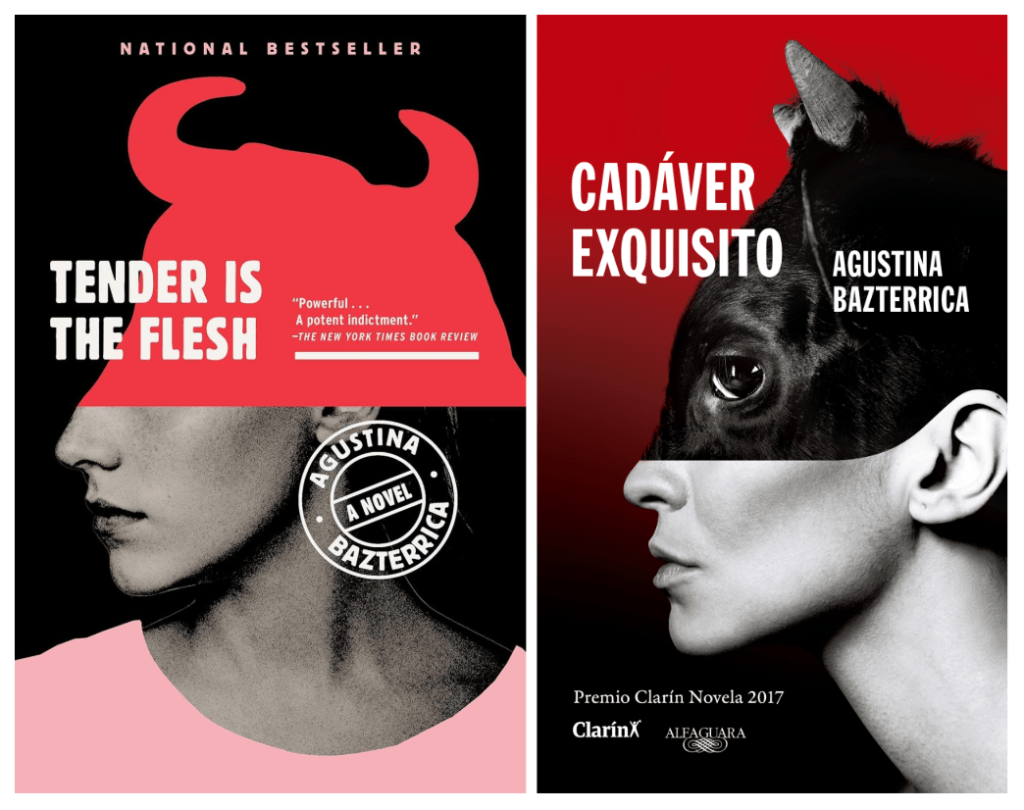
This is something that carries across from Bazterrica’s Tender Is the Flesh. Marcos is similarly not a revolutionary working to dismantle the horrific system in which he lives. His discomfort with the world around him can initially make his private transgressions seem like evidence that he exists somehow outside of it. Yet what he conceals ultimately serves his own needs and desires. His secrecy does not make him morally superior to the society around him; if anything, it eventually reveals just how much of that society’s logic he has absorbed.
Note: Tender is the Flesh was reviewed on this blog a year ago — see https://glli-us.org/2025/08/05/witmonth-2025-latin-american-horror/
Bazterrica’s protagonists do not necessarily reject the systems in which they live; they find private ways of violating those systems when it benefits them.
Perhaps this is what I find most unsettling about Bazterrica’s dystopias. The circumstances are extraordinary, but the people are not.
Like any good dystopian novel, The Unworthy is not something you are meant to walk away from feeling particularly good about. For me, however, it does not land with quite the same gut punch as Tender Is the Flesh. The horror here feels slower and is more consistently sustained. I left disturbed, but not shaken.
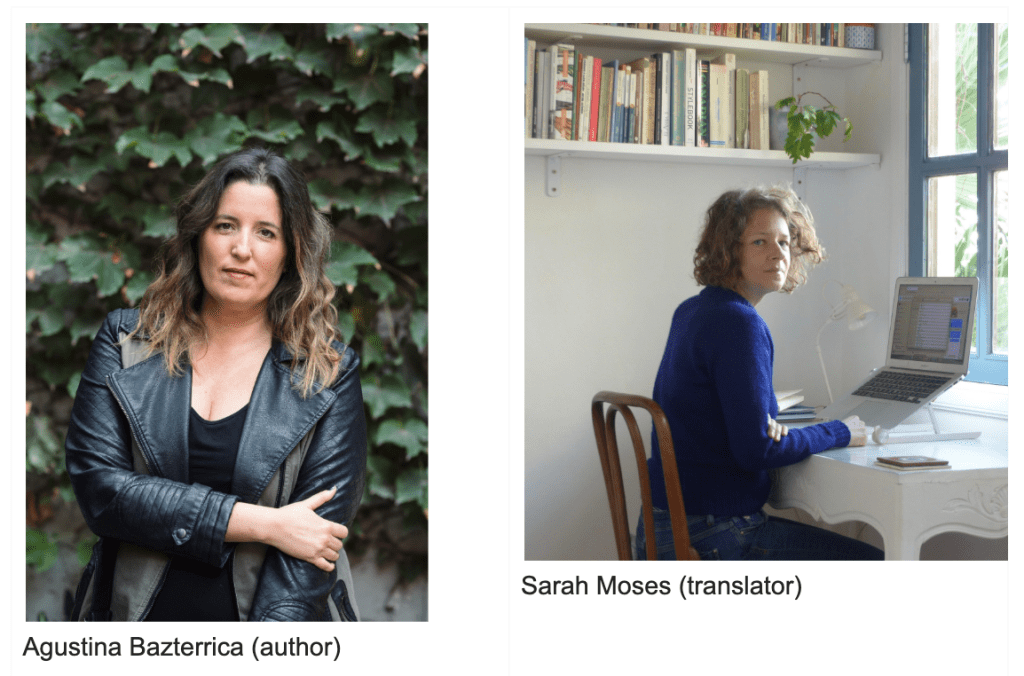

DiAnna Pantano is an artist-educator currently based in Beijing, China, where she serves as the Head of Art & Design at an international school. Originally from Chicago, she has also called South Korea, Malaysia, and the UAE home. An artist by training and a curious traveller by nature, she is interested in art, objects, food, books, and the small details that tell us something about a place and the people who live there. When she is not teaching or making things, she is likely travelling, playing golf, wandering through a trail, or planning where to go next.
Disclaimer: The opinions and views expressed are the author’s and do not necessarily reflect those of GLLI.


One thought on “#WITMonth: “The Unworthy” (Las indignas)”