Today’s post comes to you from Kris Feller.
Naa-Adei Kotey: The Author Bringing Pre-Colonial African Leaders to Middle Grade Shelves
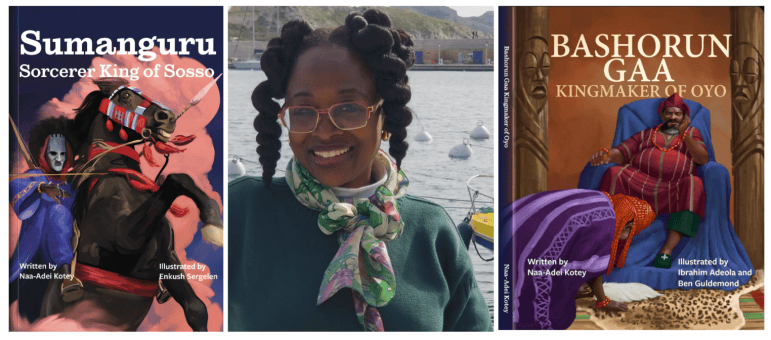
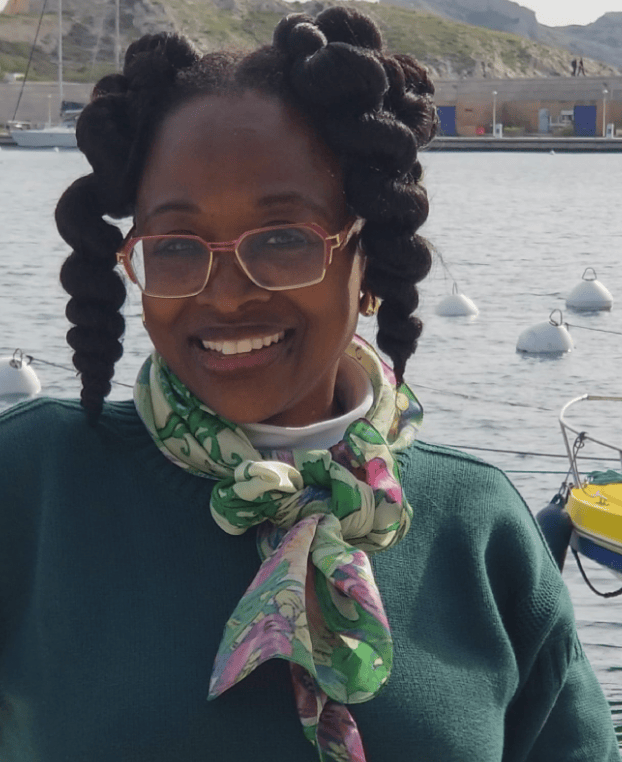
This September, the American International School of Lagos (AISL) welcomed Nigerian-Ghanaian author Naa-Adei Kotey to share her 2025 debut, Sumanguru: Sorcerer King of Sosso, with our students.
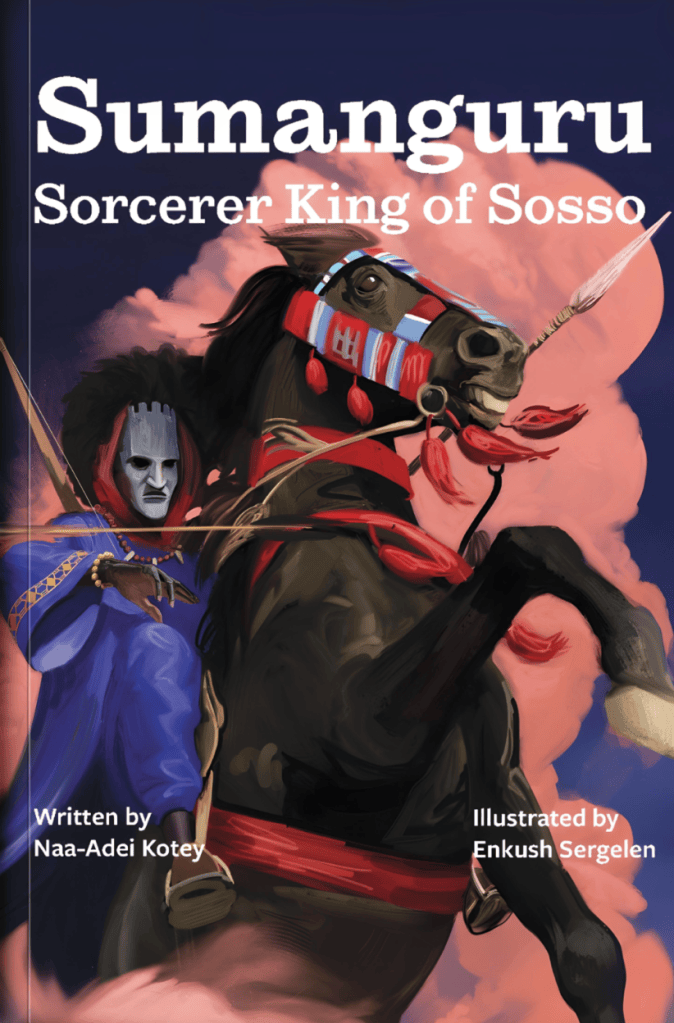
Sumanguru Kanté was a thirteenth-century king of the West African Sosso Empire, feared for his iron mask and for spells said to crush armies. When he set his sights on the emerging Mali Empire, he met his match in Sunjata (later known as Sundiata Keita), an exiled boy who became one of West Africa’s great heroes. According to legend, Sunjata’s forces were backed by quick-witted storytellers, fearless hunters and Sumanguru’s own sister, who had been gifted to him in marriage but later returned to her family carrying stolen secrets. History better remembers the victor Sunjata, but Ms. Kotey chose instead to center her story on the mystical king: a ruler who began with noble intentions, only to be undone by the reach of his own power and legend.
The book is told through the voices of the griots, West Africa’s revered keepers of history. During her visit, Ms. Kotey brought an actor in traditional griot robes to bring the story to life, and our students were captivated from the start. See AISL’s LinkedIn post for a few images.
Ms. Kotey spent about three years bringing Sumanguru: Sorcerer King of Sosso to publication with her Nigerian publisher, Masobe Books. She commissioned the artwork herself and collaborated with a traditional Malian musical troupe on companion audio tracks, available at aroba-itan.com. The book has been recognized on the CANEX Prize for Publishing in Africa 2026 Shortlist and is among Brittle Paper’s Notable African Books of the Year.
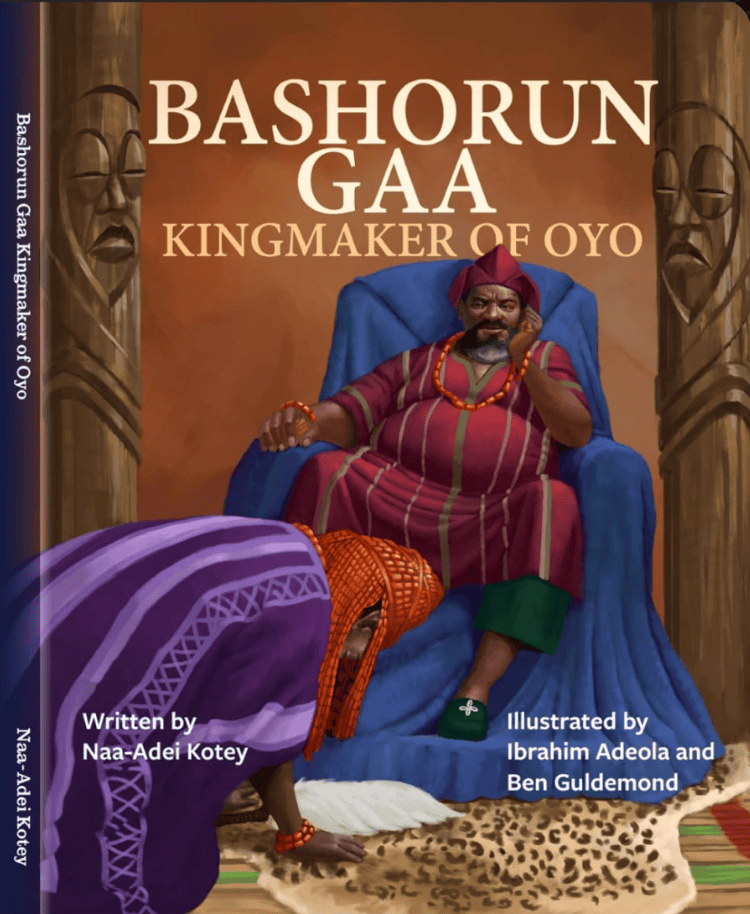
Sumanguru launches Ms. Kotey’s planned series of Middle Grade pre-colonial African biographies. Next up will be Bashorun Gaa: Kingmaker of Oyo, expected in March 2027, followed by a story of Kimpa Vita, the eighteenth-century prophetess and revolutionary of the Kingdom of Kongo. A fourth book set in seventh-century North Africa is currently in the research phase. Ms. Kotey says she “plans to move clockwise around the continent, introducing a new generation to Africa’s pre-colonial history.”
As an International Librarian, I am so glad that Ms. Kotey has taken on this important and ambitious project documenting the historical figures of her own continent.
Our yearbook team interviewed Ms. Kotey during our school’s annual Nigerian Culture Day, which celebrated the Igbo people this year. An abridged transcript follows.
Question: As our first question of the day, when you see the multicultural community here at AISL, how do you think reading stories from Igbo and Nigerian cultures and heritage can help our non-Nigerian students feel connected to AISL or the culture better?
Answer: It’s always useful to know about different cultures, and when you’re living in a country, it’s important to understand the people, to understand what’s around you, and to understand the traditions of a place. Linking this to writing books, [authors want to] bring an awareness of African history and culture to people who are not necessarily aware; even Africans ourselves are not necessarily aware of each other’s stories. I think, especially in international schools, it’s important, where there are so many different children from different places. Also, [stories] give you an insight into people’s characters, because people are formed by their cultures and by their traditions.
Question: In your books, characters navigate heavy cultural duties and identity. What message do you hope AISL students will take away about honoring their roots while being global citizens?
Answer: Yes, I hope that they will take pride in where they come from, and they will have respect and appreciation for where others come from, for where their friends come from, for the traditions and cultures of the place where they are, and of the cultures which they’re exposed to. In the book, you understand from history that nobody lives in isolation. We all interact and trade with each other; we do business with each other; and especially in an increasingly globalized world, we’re all connected through the internet, and we’re all exposed to so many things.
Question: You’ve written about different historical regions across Africa. What similarities do you see between the Igbo storytelling traditions and those of other West African cultures?
Answer: Igbo storytelling traditions are mostly oral. Throughout most of Africa, [history is remembered through] oral tradition, often through griots. That’s the common thread, especially for pre-colonial periods. Likewise, in the rest of the world, you hear stories, even of your own ancestry, through your family’s storytelling traditions. In African countries, we have oral legends, but we often do not have documented history [except for] certain Arab writers. Once the colonials arrived, we have some documentation [though from an outsider perspective].
TITLES:
Sumanguru: Sorcerer King of Sosso — by Naa-Adei Kotey, illustrated by Enkush Sergelen, published 2025 by Masobe Books, available via aroba-itan.com.
Bashorun Gaa: Kingmaker of Oyo — by Naa-Adei Kotey, expected publication March 2027.
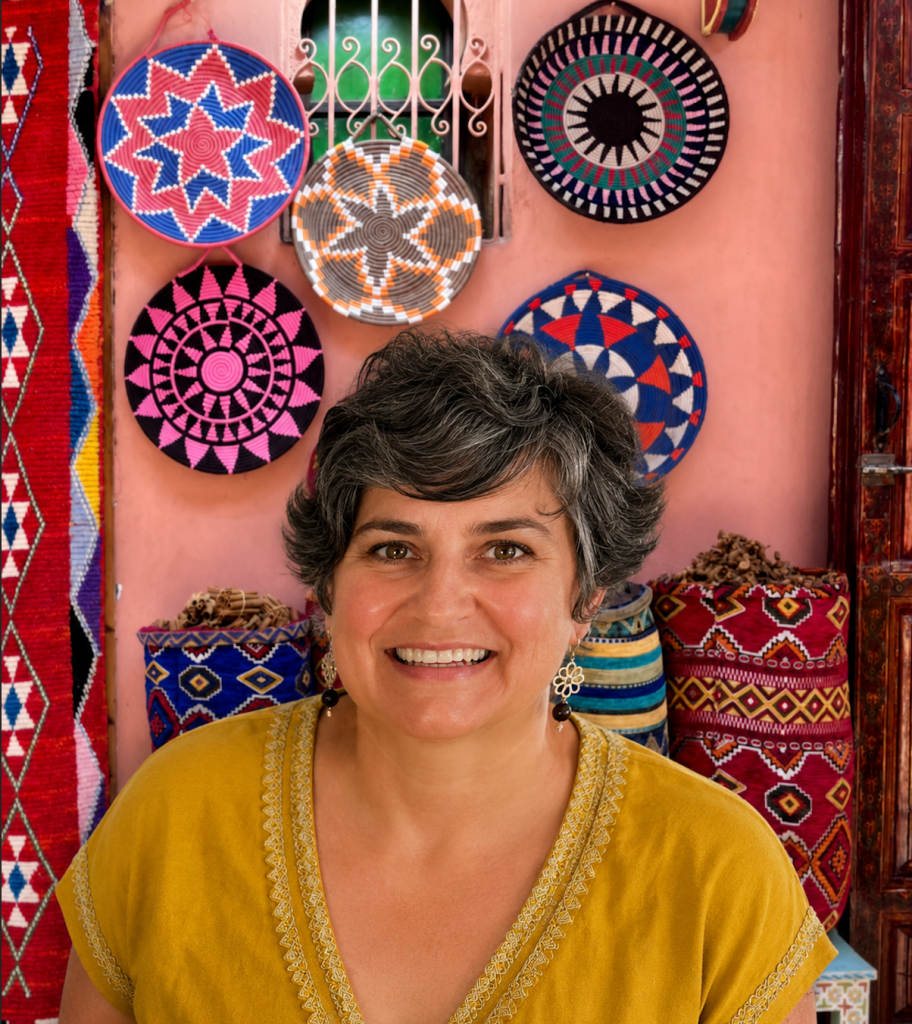
Kris Feller (she/her) has been an international librarian for 27 years. She is currently working at the American International School of Lagos as a Secondary Librarian and Extended Essay Coordinator. Before that, she worked at schools in Yangon, Moscow, Caracas, Seoul, Almaty, Bratislava and Chisinau. YA Fantasy is her go-to genre, particularly dark academia, but she loves to read around the library and appreciates gripping thrillers, inventive speculative fiction and heartfelt middle grade novels as well. Her current favorite location for reading is her 5th floor balcony overlooking the Lagos Lagoon.
Disclaimer: The opinions and views expressed are the author’s and do not necessarily reflect those of GLLI.

