Today’s post comes to you from Angie Erickson
Every August, Women in Translation Month asks us to notice which voices reach our shelves. It is also an opportunity to consider what we mean when we talk about women’s writing.
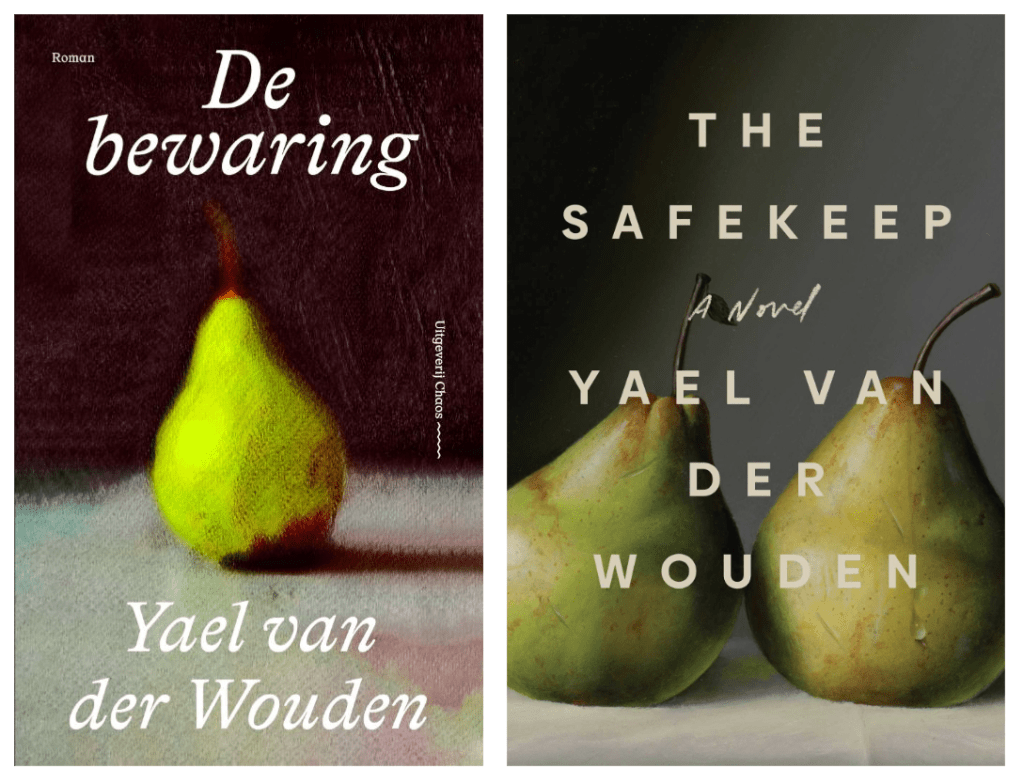
In 2025, Yael van der Wouden won the Women’s Prize for Fiction for her extraordinary debut novel, The Safekeep, originally written in English by the tri-lingual author (English, Hebrew & Dutch).
During her acceptance speech, Van der Wouden shared publicly that she is intersex. She then acknowledged: “In the few precious moments here on stage I am receiving truly the greatest honour of my life as a woman, presenting to you as a woman and accepting this Women’s prize and that is because of every single trans person who’s fought for healthcare, who changed the system, the law, societal standards, themselves. I stand on their shoulders.”
Van der Wouden’s words remind us that womanhood has never been a single, uncomplicated category. It is shaped by culture, laws, histories and individual lived experience. Recognising that complexity does not diminish the importance of celebrating women’s writing. It should make this project more truthful and inclusive.
Nor was Van der Wouden’s appearance at the Women’s Prize the first time the prize had recognised a writer whose work complicated conventional ideas about gender.
As the landscape of gender and identity is becoming more visible in all its longstanding complexity, our reading and literary institutions must be willing to adapt. The Women’s Prize has; its readership is following.

In 2021, Torrey Peters became the first openly trans woman longlisted for the prize with Detransition, Baby. It is a challenging and enlightening novel about transition, detransition, intimacy and the many imperfect ways people attempt to create families and identities for themselves.
This commonsensical but challenging idea returned to me relatively recently when I discovered Tilted Axis Press (an independent publisher of contemporary literature by the Global Majority, translated into or written in a variety of Englishes) through Alexandra Alter’s February 2025 New York Times profile, “A Tiny Press Took a Big Risk on Experimental Books. It Paid Off.” I’ve subscribed to the press’s list and look forward to each new release.

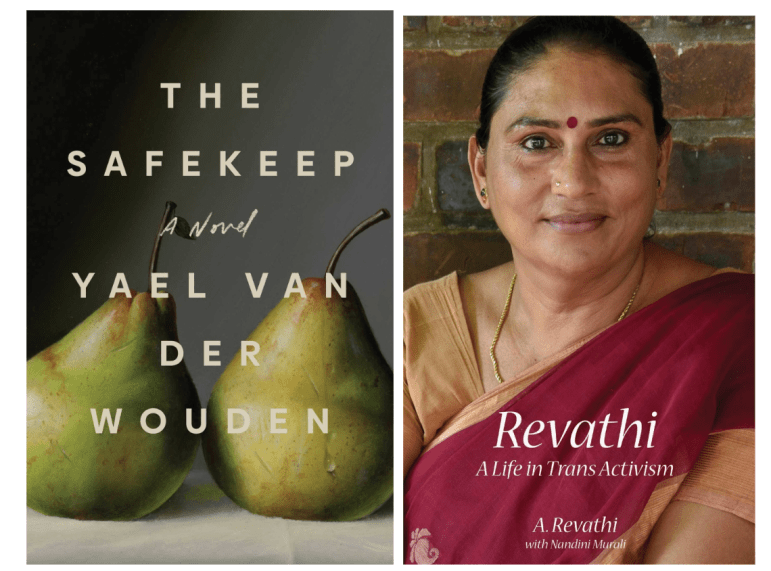
One of the books that arrived this year through this subscription was Revathi: A Life in Trans Activism by A. Revathi, translated from Tamil by Nandini Murali.

Revathi is a writer, actor and activist for sexual minorities and Dalit rights. Instead of presenting her life solely through the framework of personal trauma, Revathi shares her experiences within the larger context of hijra communities, caste, institutional activism, discrimination within queer spaces and the frequently overlooked lives of trans men in India. It is a record of one woman’s activism, but also of the communities, solidarities and political structures surrounding her. I would have never run into this book if it weren’t for this NYT article and my interest in translated literature. I highly recommend it.
Revathi reminded me that reading is one of the best ways we have to understand each other’s lives. It’s doubtful I need to remind you that women’s lives historically have taken a back seat to men’s. And it goes without saying that this fact is echoed in the world of publishing. However, the tide has turned: while “only 10 percent of nineteenth-century books in the Library of Congress have authors with female first names”, “women authored a third as many books as men in 1970 and were producing the majority of books by 2020” (National Bureau of Economic Research). Regrettably this could be reflective of the fact that in 2022, 46.9% of American women reported to have read at least one novel in the past year while only 27.7% of men had (National Endowment for the Arts).
Nevertheless, significant disparities remain in which books are translated, reviewed, nominated for prizes and circulated internationally. These imbalances are particularly pronounced in translated literature, which is the reason why we are gathered around this screen. Translated literature makes up about 4% of books published in English each year and translated books by women have historically represented only around one-third of those titles translated into English, which means just over 1% of books published in English are originally written by women in a language other than English; “the lack of (cultural, intellectual, literary) diversity Anglophone readers are exposed to are obvious” (3 percent, 60 percent: the singularity of English in the world of translations).
To be sure, women writing in languages other than English encounter a series of narrowing gates: the small likelihood that any book will be translated into English compounded by the gendered structures that influence which authors receive prizes, reviews and garner international attention.
Year after year, Women in Translation Month helps push open those gates. This month is a reminder that world literature cannot be represented adequately when so many voices are missing. It directs attention towards the women writing all over the world, the translators they trust with their work, and the independent publishers who are putting the work out there for readers like us.
Throughout this month, we will be sharing noteworthy books by women writing across languages, countries, cultures and experiences. I hope you will add these books to your reading list, read them, recommend them to friends, contribute your own recommendations in the comments and allow these books to enrich and expand your understanding of our world and the women in it.
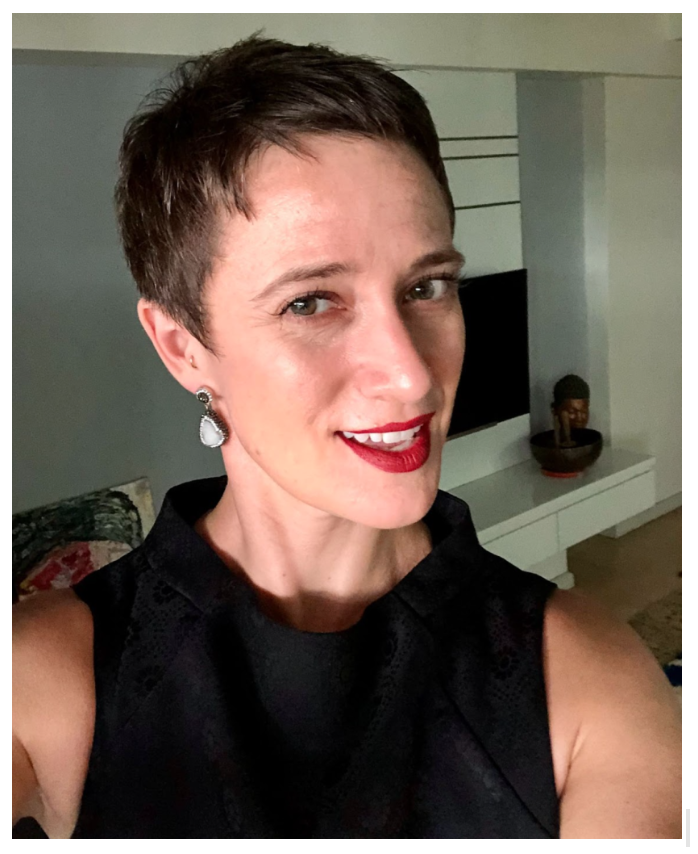
Angela Erickson is a former Head of Middle School English and current Head of Libraries at United World College of South East Asia in Singapore. Her work focuses on how curriculum design, research instruction, and library systems can be aligned to support reading, thinking, and writing across a school. Outside of work, she is an aspiring mountaineer and a terrible cellist. She is also the current Chair of the GLLI Translated YA Book Prize.
Disclaimer: The opinions and views expressed are the author’s and do not necessarily reflect those of GLLI.


One thought on “#WITMonth: Welcome to the annual Women in Translation Month on GLLI”