Today’s post comes to you from Nyakundi James Nyambane, KEY Libraries.
The Politics of Visibility and Inequity in African Literature
African literature is increasingly celebrated on international platforms through prestigious literary awards, international publishing, translation, and global recognition of African storytelling. Prominent African writers, including the late Ngũgĩ wa Thiong’o, Chimamanda Ngozi Adichie, Mohamed Mbougar Sarr, and Damon Galgut, have received international literary recognition. Yet an important question remains: who determines which African stories become visible, accessible, and valued in the global literary landscape?
In the twenty-first century, reading African literature should be about more than celebrating the existence of African writers. It is also an opportunity to critically examine the structures that determine whose work gets published, distributed, translated, reviewed, acquired by libraries, and ultimately read.
Inequities exist long before a reader gets to access a book, and the numbers tell a troubling story. According to UNESCO’s 2025 report, Africa, which accounts for approximately 18% of the world’s population, captured only 5.4% of global publishing revenue in 2023. The report further notes that the continent imported books worth approximately $597 million while exporting only $81 million. These are not just figures. They raise important questions about who controls the production, distribution, and circulation of knowledge.
What are the implications of this significant imbalance in Africa’s book trade? Which publishing houses do African writers rely on, and what are the consequences of weak local publishing and printing infrastructure?
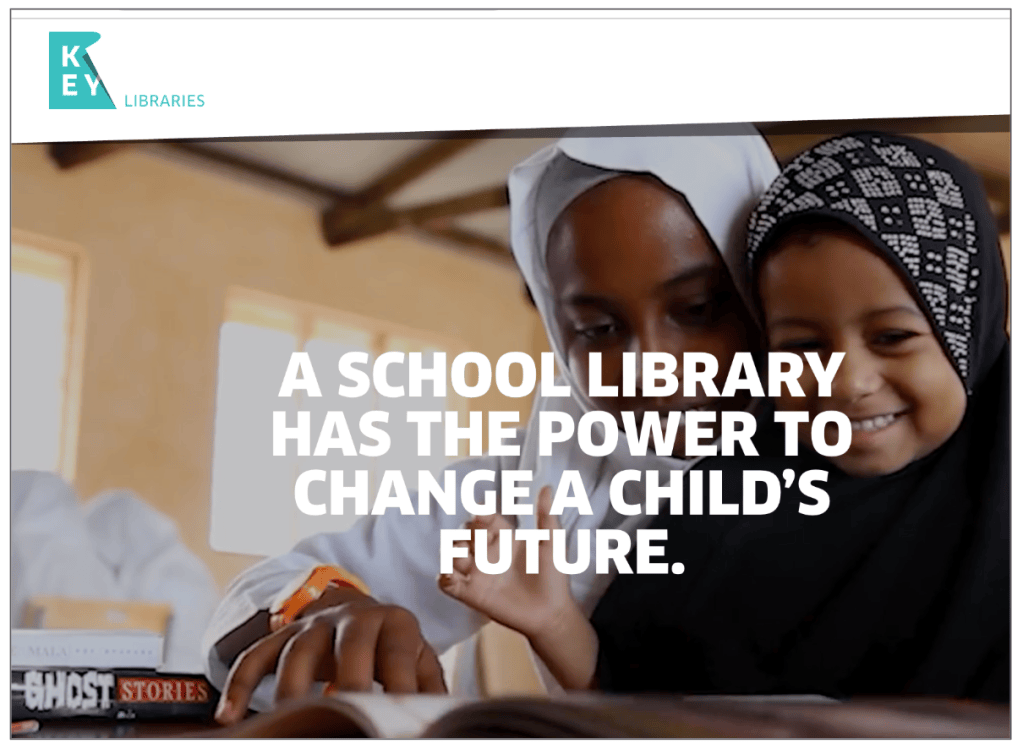
While African authors receive international recognition, what is the actual state of the libraries that are supposed to house their collections? There are numerous celebrated African writers whose books are still missing from the shelves of many Kenyan school libraries. Many rural schools lack the infrastructure, funding, or even a dedicated space that can be called a library, while public libraries serve large and often underserved populations.
To what extent does international recognition translate into accessibility, particularly in rural communities? Libraries, as institutions responsible for collecting, organizing, preserving, and providing access to knowledge, influence what becomes discoverable and readable. Their capacity to fulfil this role, however, is shaped by institutional resources and wider inequalities in the publishing and book distribution sectors.
I welcome initiatives such as #ReadingAfrica Month by the Global Literature in Libraries Initiative because platforms like this allow us to reflect not only on the literature being celebrated but also on the conditions that make it available, affordable, accessible, and discoverable to different communities. Addressing these inequalities requires investing in future African writers, strengthening the African publishing industry, supporting local publishers and booksellers, and expanding access through adequately resourced public and school libraries.
Ultimately, the question is how we can ensure that African writers, publishers, librarians, and readers have equitable opportunities to participate in shaping the global literary landscape. As we celebrate African literature, we must also confront the inequalities that determine whose stories are told, how they are told, whose knowledge is preserved and translated, and who gets access to it.
Beyond asking whose stories are being celebrated globally, we must ask a more fundamental question: who gets the opportunity to read them?
Reference:
UNESCO. (2025, September 9). The African book industry: Trends, challenges & opportunities for growth. https://www.unesco.org/en/articles/african-book-industry-trends-challenges-opportunities-growth

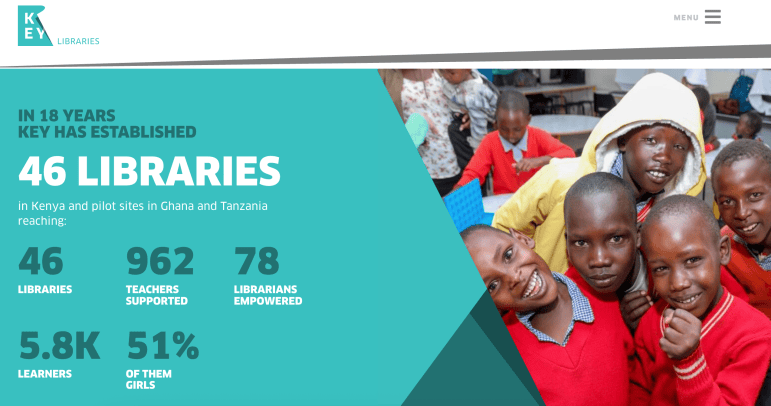
Nyakundi James Nyambane is the Head Librarian at Knowledge Empowering Youth Trust (KEY Libraries), a Canadian-Kenyan registered charity that executes easily adoptable and manageable models for school libraries targeting primary and secondary schools. His professional profile includes eight years’ tenure at United States International University Africa, where he served as a Librarian in both User Services and Technical Services. He is an active member of the Kenya Library Association, the American Library Association and IFLA.
Disclaimer: The opinions and views expressed are the author’s and do not necessarily reflect those of GLLI.

