Today’s post comes to you from Maryaan Kimutai
There is something interesting about growing up in Africa and reading about the rest of the world. Through books, we become familiar with places we have never visited, people we have never met and societies we have only encountered through the imagination of writers. We learn to inhabit these unfamiliar worlds quite naturally. Yet I sometimes wonder how often the reverse happens.
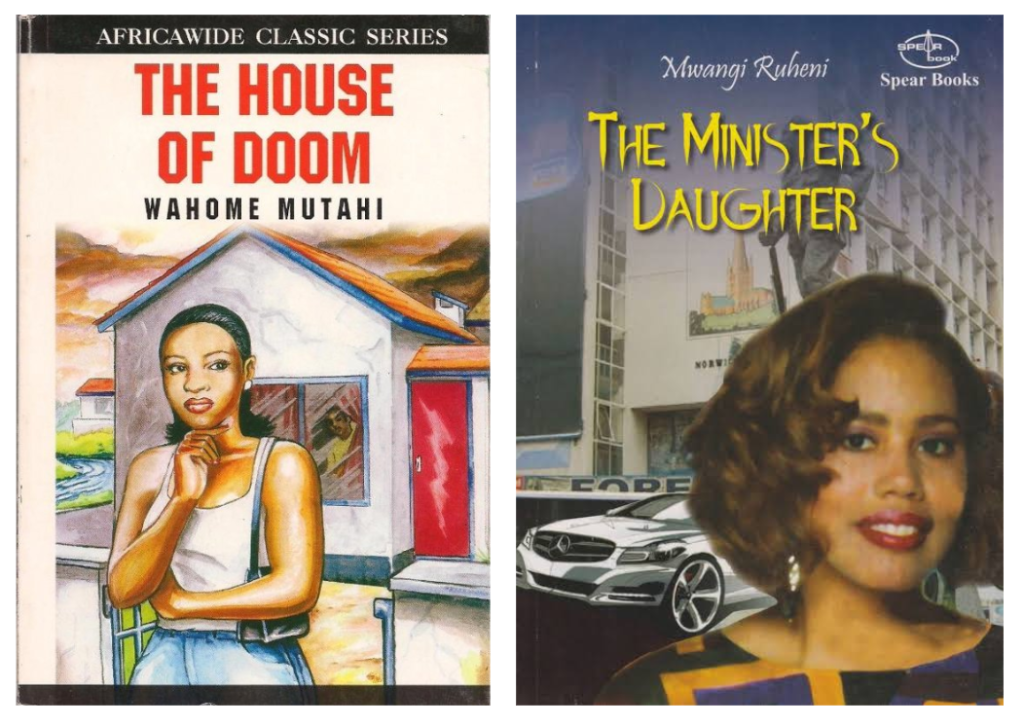
My first encounter with African books came when I was eleven. I remember reading works by Kenyan writers Wahome Mutahi, particularly House of Doom (2004), and Mwangi Ruheni’s The Minister’s Daughter (1975). At that age, I was simply discovering the pleasure of reading stories. I may not have fully appreciated the social observations, cultural references or literary choices within those books, but I was beginning to discover something important: stories could emerge from places, people and experiences that I recognised.
As my reading widened, so did my understanding of what African literature could be. I encountered writers from other parts of the continent, each bringing different histories, societies and perspectives to the page. It made me wonder how often readers beyond Africa get to experience these worlds for themselves. What has stayed with me, however, is the realisation that African literature is far too expansive to be contained within a single description of what it means to be African.
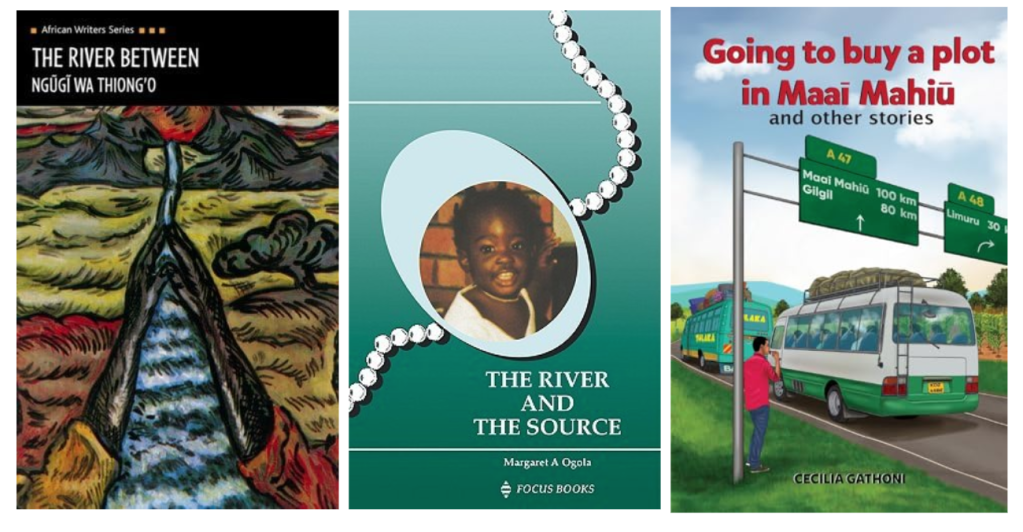
Consider Ngũgĩ wa Thiong’o’s The River Between (1965). Set against the cultural and religious tensions of colonial-era Kenya, the novel explores a community caught between competing understandings of identity, belonging and progress. Although its setting is specific, the questions it raises are not easily confined to one place. What happens when the values that hold a community together become sources of division? How does one navigate change without losing a sense of belonging? These are questions that societies everywhere have had to confront, although in different circumstances.
Margaret Ogola’s The River and the Source (2004) offers another perspective. Through generations of women, the novel traces the changing circumstances of Kenyan society, examining family, womanhood, education and the persistence of cultural identity. What I find particularly interesting about such a narrative is its refusal to treat culture as something frozen in time. Traditions endure, adapt and sometimes give way to new possibilities. The people living within them do the same.
Another Kenyan writer whose work I find interesting is Cecilia Gathoni, particularly her book Going to Buy a Plot in Maai Mahiu (2023). What I find interesting about her writing is the choice to write both in Kikuyu. It challenges an assumption that we sometimes take for granted: that for African literature to be widely read or taken seriously, it must be written in English. But why should that be the case?
There is something quite refreshing about reading a story in a language that belongs to the people and the world it describes. It also reminds us that our languages are not merely things we speak in everyday life; they are perfectly capable of carrying literature, imagination and complex human experiences.
Perhaps this is one of the things African literature does particularly well: it captures societies in the process of becoming. It allows us to see the relationship between inherited traditions and emerging aspirations, between what communities have always known and what their members increasingly desire.
But African literature is not simply a record of cultural encounters or historical transitions. It is equally concerned with the private lives of individuals and the complicated business of being human.
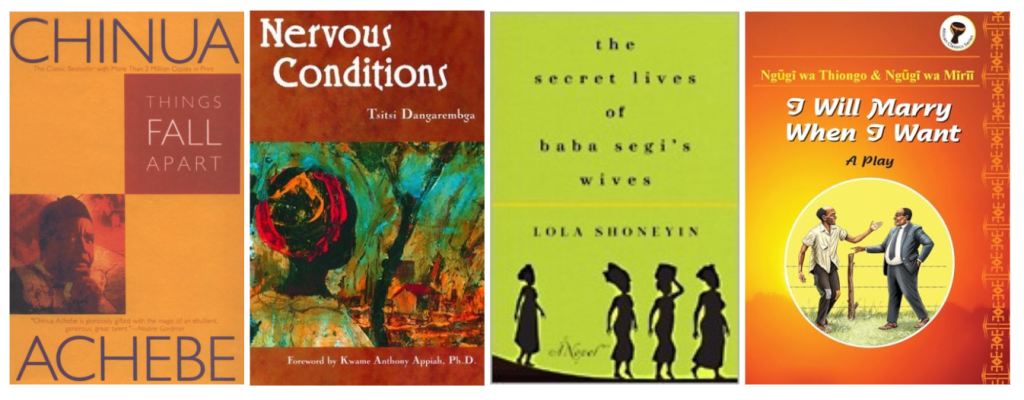
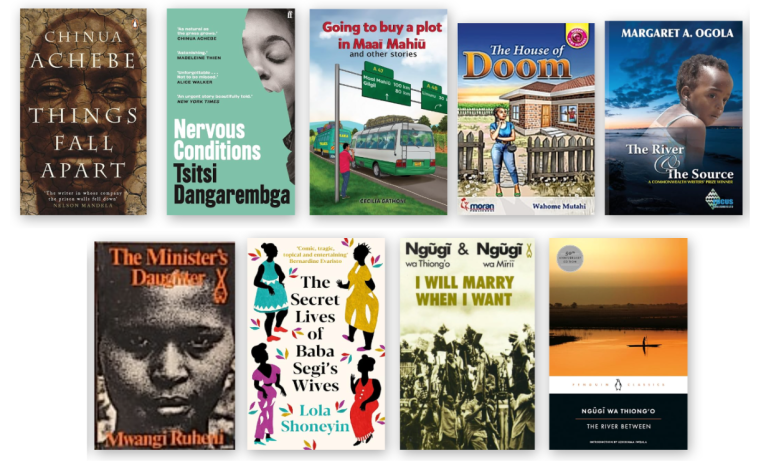
In Chinua Achebe’s Things Fall Apart (1958), we encounter Okonkwo, a man whose understanding of strength, masculinity and personal achievement is inseparable from the expectations of his society. His tragedy is deeply connected to the disruption of his community, but also to his inability to reconcile himself with a changing world. In Tsitsi Dangarembga’s Nervous Conditions (1988), we encounter a different struggle through Tambu, a young Zimbabwean girl whose pursuit of education brings both opportunity and difficult questions about gender, family and identity.
These are very different stories, emerging from different historical and cultural settings. Yet both invite us to consider the complicated relationship between personal ambition and the expectations imposed by society.
There is also room in African literature for humour, satire and the wonderfully messy nature of everyday relationships. Lola Shoneyin’s The Secret Lives of Baba Segi’s Wives (2010) is a good example. Through an entertaining domestic narrative, she examines marriage, gender, power and the secrets that can exist beneath the appearance of an ordinary household. Meanwhile, Ngũgĩ wa Thiong’o and Ngũgĩ wa Mirii’s play I Will Marry When I Want (1982) confronts class inequality, exploitation and the contradictions of post-independence Kenya.
Together, these works remind us that African literature is not confined to stories of suffering, colonialism or political struggle. It can be playful, uncomfortable, intimate, critical and deeply entertaining. It can explore the grand questions of history while finding equal significance in the relationships and ordinary decisions that make up everyday life.
Perhaps, then, the question should not simply be what African literature can teach the rest of the world about Africa. It should also be what the world stands to gain by engaging with these stories on their own terms.
For readers outside the continent, African literature offers an opportunity to encounter unfamiliar histories, cultures and social realities without reducing them to headlines or generalisations. It invites a closer understanding of people whose lives may be shaped by different circumstances but whose experiences are no less complex or worthy of attention.
And perhaps there is something equally important for African readers. Reading the works of writers from other parts of the continent reminds us that our own experiences, familiar as they may seem, are only part of a much larger conversation. We are not one people with one story, but many communities with intersecting histories, different imaginations and an extraordinary range of voices.
Ten years of celebrating African literature is therefore worth more than a retrospective of books and authors. It is an opportunity to recognise the importance of keeping these conversations alive, of making room for new voices and of allowing African stories to travel without losing the places and people from which they originate.
After all, a story does not have to take place in a familiar world to find a home in the imagination of its reader. Sometimes, the most rewarding thing about reading is discovering how much there is to recognise in a world we have never known.
TITLES
- Going to buy a plot in Maai Mahiu: …and other stories — by Cecilia Gathoni — (LibraryThing / Bookshop.org)
- The house of doom — by Wahome Mutahi — (LibraryThing / Biblio.com)
- I will marry when I want — by Ngugi Wa Mirii and Ngugi wa Thiong’o– (LibraryThing / Bookshop.org)
- The minister’s daughter — by Mwangi Ruheni — (LibraryThing / Biblio.com)
- Nervous conditions— by Tsitsi Dangarembga — (LibraryThing / Bookshop.org)
- The river & the source — by Margaret A Ogola — (LibraryThing / Bookshop.org)
- The river between — by Ngugi wa Thiong’o — (LibraryThing / Bookshop.org)
- The secret lives of Baba Segi’s wives — by Lola Shoneyin — (LibraryThing / Bookshop.org)
- Things fall apart — by Chinua Achebe — (LibraryThing / Bookshop.org)

Maryaan Kimutai is a writer from Nairobi, Kenya, with a deep love for words and a passion for storytelling. She has always been fascinated by books and the worlds they create, as well as their ability to inspire, educate, and connect people. Writing is more than just a hobby to her; it is a way of expressing ideas, exploring perspectives, and telling stories that touch our hearts.
Disclaimer: The opinions and views expressed are the author’s and do not necessarily reflect those of GLLI.

