Today’s post comes to you from Vashalice Kaaba
Welcome, everyone, to Reading Africa Month at the Global Literature in Libraries Initiative! As Executive Director, I am delighted to welcome you to a month of discovery, conversation, and appreciation for African literature. Throughout November, we will celebrate the continent’s authors, publishers, and storytelling traditions, while also joining #ReadingAfrica Week, November 2–7, an initiative of The Catalyst Press.
My relationship with African literature began long before I boarded a plane to Uganda in 2015. It began with stories: African myths and folktales, Black American folklore, and the retellings by writers such as Virginia Hamilton and Julius Lester. Through their work, I began encountering the connections between stories rooted in the African continent and those that took shape within Black American communities.
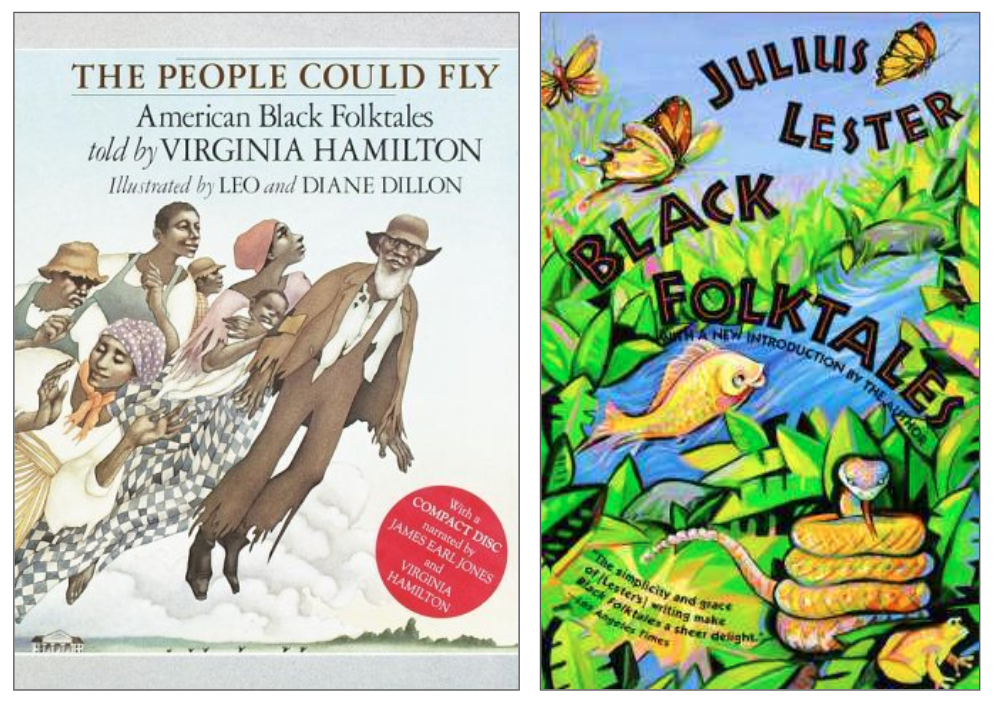
In these tales, a small animal might outsmart a powerful opponent. Humor could hold a warning. An impossible escape could carry a people’s longing for freedom. Hamilton’s The People Could Fly, and Lester’s Black Folktales offer ways of hearing these connections, inviting us to consider what stories preserve as they travel across oceans and generations.
For me, this is where African and Black American literature meet: in stories that remember.
I think of this as generational memory, carried through the tales we tell, the lessons we repeat, and the voices we keep alive. Enslaved Africans brought storytelling traditions that their descendants preserved and transformed. In Black American folklore and tall tales, I hear both what endured and what our ancestors created anew. Stories changed with their tellers and circumstances, holding ancestral knowledge alongside the realities of life in another land. Reading them, I feel the closeness of histories that an ocean can make seem distant.
A story can carry a grandmother’s wisdom into a child’s imagination. It can hold laughter alongside grief, or preserve a lesson whose first teller we may never know. That possibility makes reading feel, to me, like an act of remembering.
In 2015, I was blessed to begin serving as a Peace Corps volunteer in Uganda, working as an English teacher and community librarian. There, my understanding of literature’s relationship to community deepened. I saw firsthand the impact books could have, especially books written within Uganda and across the African continent. That experience gave new meaning to my earlier encounters with folklore and strengthened my appreciation for people’s ability to tell, preserve, and share their own stories.
African literature also invites me to listen beyond what feels familiar. Across its many countries, languages, and literary traditions are stories grounded in experiences distinct from my own. I come to these books with the joy of recognition and the willingness to learn.
That is the spirit I hope we bring to Reading Africa Month. I invite you to spend November with us, discover a writer, share a favorite book, and follow a story somewhere unexpected. Whether African literature is a longstanding love or a new encounter, there is room for you here.
Welcome to a month of reading, remembering, and making connections. I am so glad you are joining us!
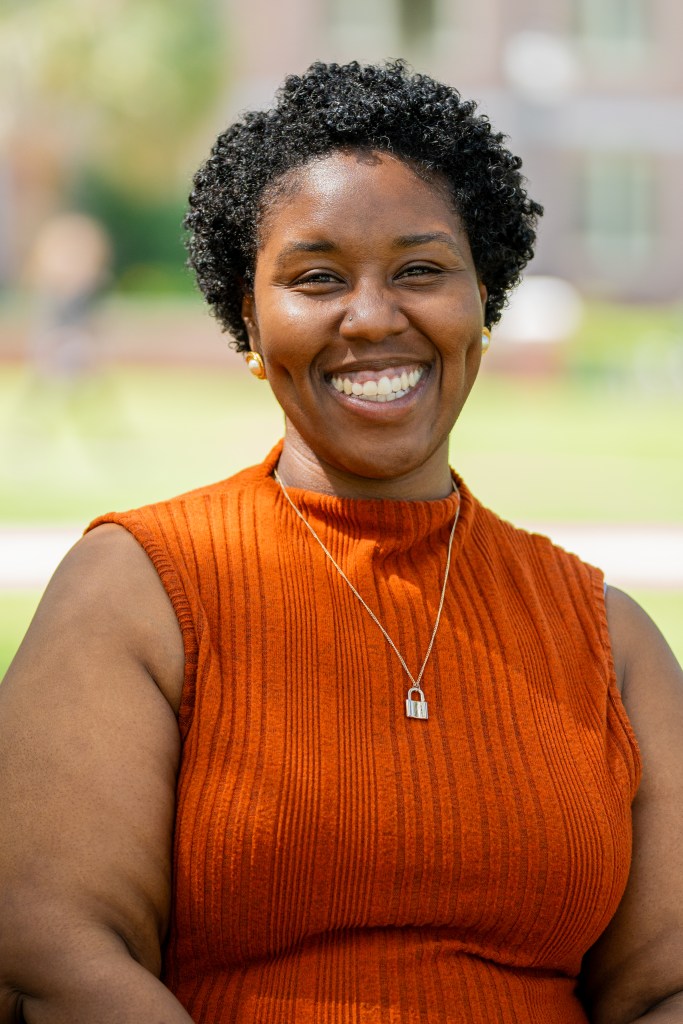
Dr. Vashalice Kaaba, Executive Director, the Global Literature in Libraries Initiative is a librarian-scholar, grant strategist, and educator advancing access to world literature for readers of all ages. She holds a Doctor of Philosophy in Information Studies (Florida State University), a Master of Science in Education (Iowa State University), and a Bachelor of Science in Sociology (Florida State University). Her work spans the United States, Kenya, and Uganda, where she has led initiatives such as “Library in a Box,” curated digital collections for primary schools, taught undergraduate English courses, and facilitated grant-development trainings with United States Embassy partners.
A frequent presenter at the Children’s Literature Association, the Association for Library and Information Science Education, the American Library Association, and the Modern Language Association, she researches Black children’s literature, critical librarianship, and global information equity, and has secured more than $1 million in competitive funding for libraries and community organizations. Vashalice serves as Chair of the Services to Children of African Descent Committee within the Black Caucus of the American Library Association and serves on the Grants Committee of the Children’s Literature Association. She has earned honors, including the Outstanding Doctoral Dissertation Award at Florida State University, and leads the Global Literature in Libraries Initiative’s programs, including the global literature blog and youth literature initiatives, building cross-border partnerships that connect readers, creators, and translators worldwide.
Disclaimer: The opinions and views expressed are the author’s and do not necessarily reflect those of GLLI.

