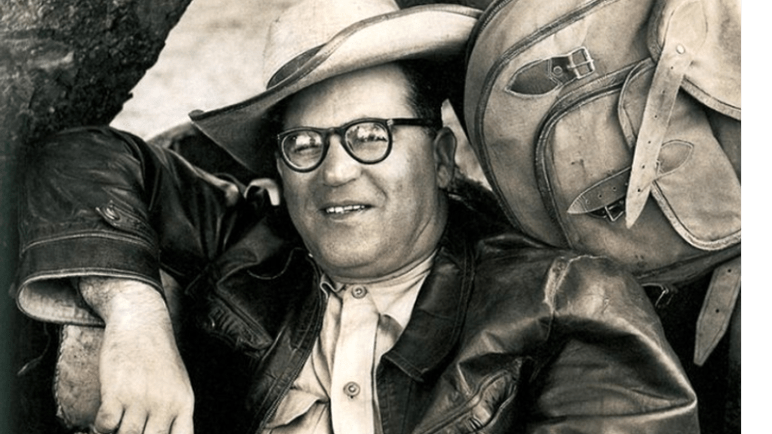
By Noemi Jaffe Speaking Portuguese is both a blessing and a curse. A blessing for the beauty of the language, for the literature it has produced and for the cultures it represents, in Brazil, Portugal, Mozambique, Angola, Cabo Verde, Goa, and Macau. But a curse because -- and I can say that with certainty -- … Continue reading Guimarães Rosa: The Writer of Love and Transcendence
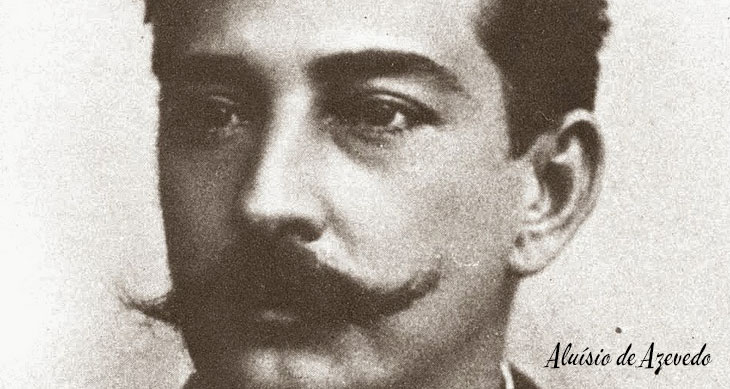
By Olivia Holloway Aluísio Tancredo Gonçalves de Azevedo, known as Aluísio Azevedo, was a founding member of the Brazilian Academy of Letters. Distinguished as the artful storyteller of naturalist novels like O mulato (1881) and O cortiço (1890) among roughly a dozen novels and another half-dozen plays, Azevedo was highly influential in the late nineteenth … Continue reading Aluísio Azevedo’s revelations about novel Japan
By Dr. Eliseo Jacob In 2018, a relatively unknown writer from the working-class community of morro do Vidigal, a favela in Rio de Janeiro's south zone, took the literary world by storm. Only 26 years old at the time, Geovani Martins published his first book, a collection of short stories titled O sol na cabeça … Continue reading Geovani Martins: New Literary Voice from the Favela
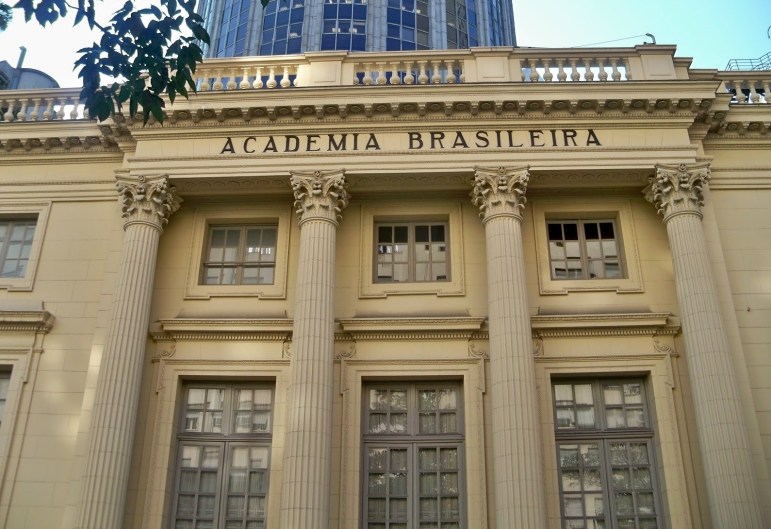
Academia Brasileira de Letras (Brazilian Academy of Letters) is regarded as the most important literary institution of Brazil. Founded as an independent private institution in 1897 in Rio de Janeiro by a group of writers among them two canonical writers of Brazilian literature, Joaquim Maria Machado de Assis and José Veríssimo Dias de Matos, it takes … Continue reading Brazilian Academy of Letters
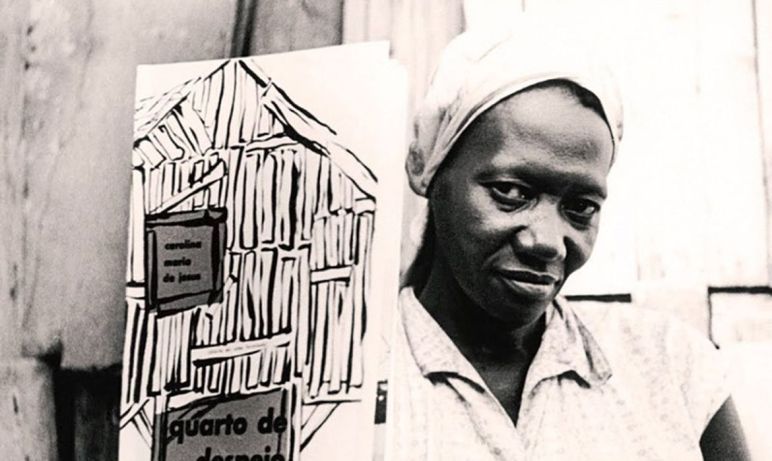
By Sofia Perpétua The moment Carolina Maria de Jesus met Clarice Lispector, she couldn’t even look at her as she was so intimidated by her presence. She said: “My god, you’re a writer. Who am I next to you?” Clarice simply replied, “I might be a great writer but you’re the only one who tells … Continue reading Carolina Maria de Jesus: voice of the voiceless
(Photo by Eduardo Sterzi) "My novella is a description of the world insofar as every trip — when taking the people out of their comfortable and safe positions — provides a renewed contact with things, with the world. To describe is, in this sense, to discover, to transform in words what one discovers, i. e., … Continue reading Interview with Veronica Stigger
By Hugo Almeida Osman Lins, one of the greatest Brazilian writers of the 20th century, has his three main books translated in the United States: Avalovara (University of Texas Press), translated by Gregory Rabassa; Nine, novena (Sun & Moon Press) and The Queen of the Prisons of Greece (Dalkey Archive Press), both translated by Adria … Continue reading Osman Lins, neat and amazing
(Image: Fundação Casa de Rui Barbosa) BY ARY QUINTELLA Many years ago, on an autumn day, my sister was introduced to Queen Elizabeth II and Prince Philip. Titina — she's always been known by her nickname — had just turned eighteen. The Prince is renowned for his infelicitous remarks. For some reason, my parents' divorce, … Continue reading Capitu, The Girl from Ipanema
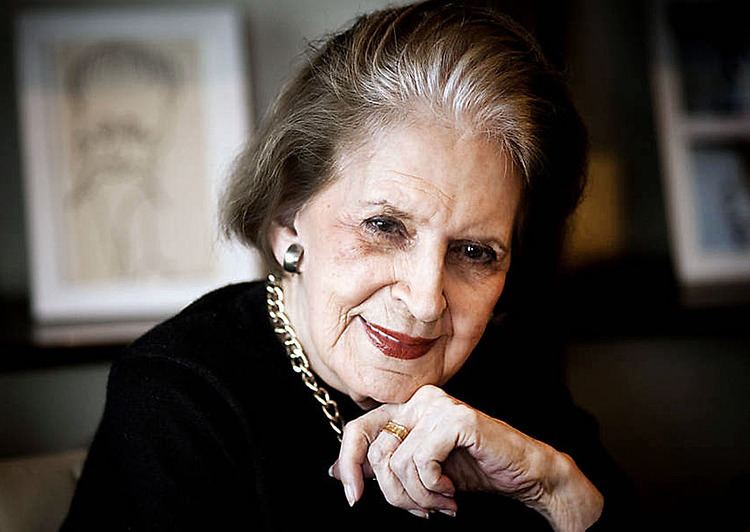
By Dr. Lorena Sales dos Santos My first contact with the work of Lygia Fagundes Telles was during my early years of college, during a summer vacation. My mother, who was an avid reader and had recently started to write some short stories, was reading Telles’s book Antes do Baile Verde (Before the Green Ball … Continue reading Lygia Fagundes Telles, Master of the Human and the Fantastic
Nara Vidal, Brazilian writer and the founder of Capitolina Books introduces her online bookstore devoted to Brazilian literature. Through its catalog, readers can browse in English. Capitolina's rich catalog is a treasure for librarians and publishers to meet new Brazilian writers. This is the story of Vidal's initiative: By Nara Vidal Officially it was September … Continue reading An online bookstore of Brazilian literature: Capitolina Books